NUS researchers develop oral vaccine to protect farmed fish from NNV
NUS scientists have developed an oral vaccine that protects farmed fish from the nervous necrosis virus using encapsulated particles delivered via feed. This method offers a scalable alternative to injections, significantly improving survival rates in species such as grouper and Asian sea bass.
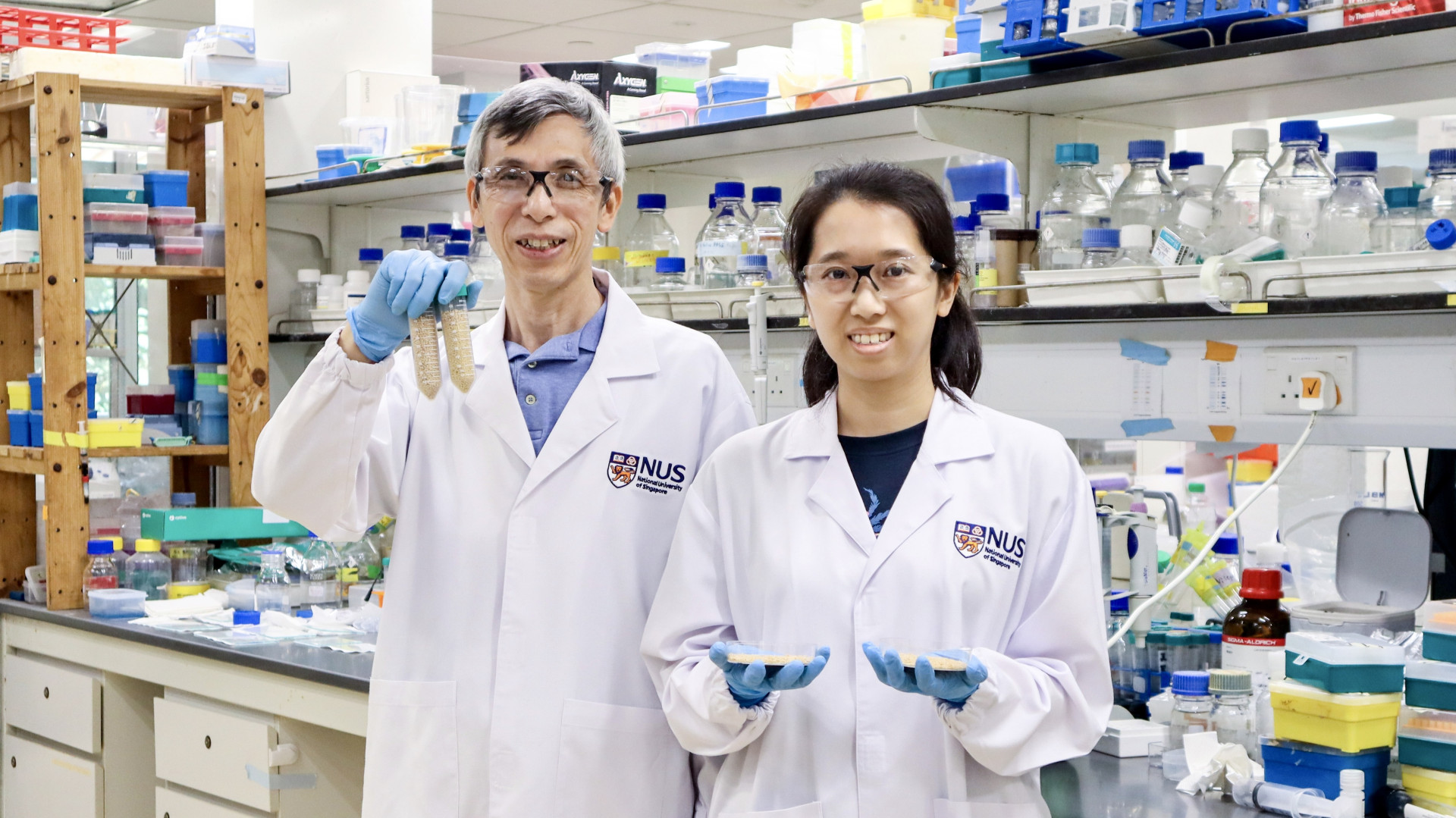
Researchers at the National University of Singapore (NUS) have announced the development of a novel oral vaccine designed to immunize farmed fish against the nervous necrosis virus (NNV). The findings, which were published in the journal Fish & Shellfish Immunology on 5 January 2026, offer a scalable alternative to traditional, labor-intensive injection methods that often cause stress to fish and are physically unsuitable for smaller specimens.
The research team, led by Professor Yang Daiwen of the NUS Department of Biological Sciences and involving collaborators from the Temasek Life Sciences Laboratory, began the study in 2021. The primary objective is to address the high mortality rates associated with NNV, a highly contagious pathogen that targets the nervous system. In its larval stage, the virus can result in near 100 per cent mortality. Even when juvenile fish survive the infection, their growth is frequently stunted, leading to significant economic losses for the global aquaculture industry.
Related media

Mechanism of the Vaccine
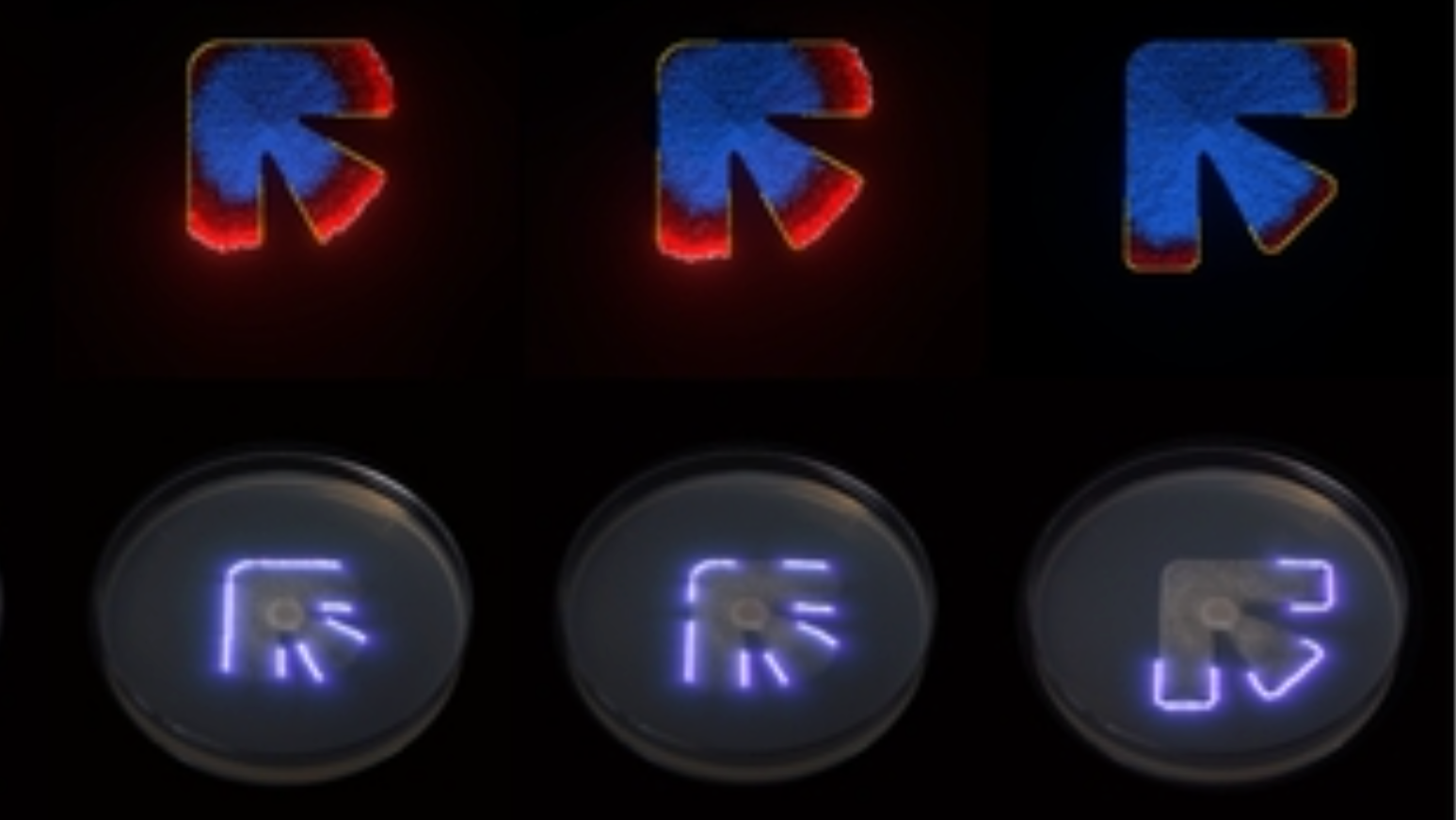
The vaccine employs a dual-component delivery system. To train the fish’s immune system, scientists created virus-like particles (VLPs) derived from the outer shell of the NNV. These VLPs are hollow, non-infectious replicas that structurally mimic the actual pathogen, allowing the fish to develop an immune response without exposure to the virus's genetic material. This triggers the production of antibodies, including neutralizing antibodies that block the virus from entering host cells.
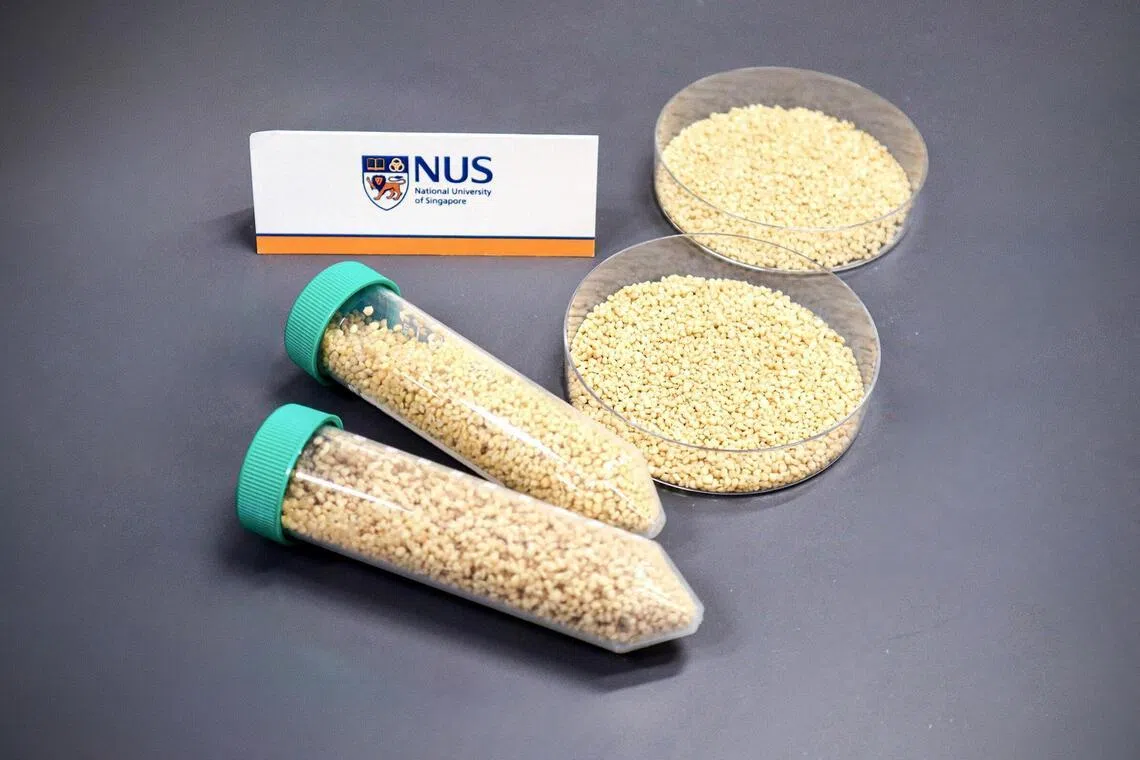
A critical challenge for the research team was ensuring these particles survived the digestive tract of the fish, which contains harsh, acidic conditions. To overcome this, the researchers encapsulated the VLPs within Lactococcus lactis, a bacterium that acts as a protective carrier. Through testing, the team discovered that inactivating these bacteria with sodium hypochlorite provided the necessary stability to transport the VLPs to the intestines, where they are absorbed into the bloodstream.
"Now, the fish will have the antibodies and so when the real virus hits, they will recognise this virus immediately and eliminate it."
Professor Yang Daiwen, lead researcher, via The Straits Times
Efficacy and Trial Results
Laboratory trials conducted on Asian sea bass and grouper have demonstrated the effectiveness of the oral delivery method. Data indicates that the encapsulated vaccine induces two-times the level of antibodies compared to the administration of unprotected VLPs. Furthermore, trials showed that vaccinated fish exhibited a reduction in brain viral load by approximately 300 times after seven days of exposure. In a grouper trial, the vaccine boosted survival rates to approximately 95 per cent, compared to 60 per cent among unvaccinated counterparts.
Despite these results, the researchers note that the oral vaccine is currently less potent than injectable versions and requires a higher dosage to provide comparable levels of protection. The team maintains that the trade-off is worthwhile for commercial aquaculture, as the ability to mix the vaccine directly into feed provides a practical, cost-effective, and efficient way to protect fish during the vulnerable larval and juvenile stages.
Future Developments
The NUS team has already filed three patents related to this technology and is in the process of seeking industry partnerships to move the project into field trials on commercial farms. Looking forward, the researchers are also evaluating the possibility of adapting this oral delivery platform to address other aquaculture pathogens, such as the scale drop disease virus, which impacts species including Asian sea bass and yellowfin sea bream.
| Feature | Details |
|---|---|
| Delivery Method | Mixed into fish feed |
| Target Species | Grouper, European sea bass, Asian sea bass |
| Carrier | Lactococcus lactis (inactivated with sodium hypochlorite) |
| Key Outcome (Grouper) | 95% survival rate (vs. 60% in unvaccinated) |
| Status | Three patents filed; industry partnerships for field trials pending |
How significant is this development?
Contribute your assessment to the aggregated reader intelligence ledger.
Archypedia is dedicated to independent, evidence-backed reporting. This briefing was synthesized from primary source reporting, corroborated across independent newsrooms, and verified against our Editorial Standards.
Transparency record
Evidence behind this report
This report synthesizes 9 distinct sources. Open the source ledger below to compare the underlying coverage.
- morningstar.com
- news.nus.edu.sg
- smb.bgdailynews.com
- straitstimes.com
- miragenews.com
- malaysia.news.yahoo.com
- nature.com
- prnewswire.com
- newswav.com
Prepared under the Archypedia Editorial Policy by the Lina Park editorial desk profile. AI-assisted tools may support drafting and verification; public accountability remains with Archypedia. Report an error.