Cardiff woman survives 38 brain parasites contracted during India trip
A Cardiff woman reveals her long-term battle with neurocysticercosis after medical imaging confirmed 38 parasites were residing in her brain.
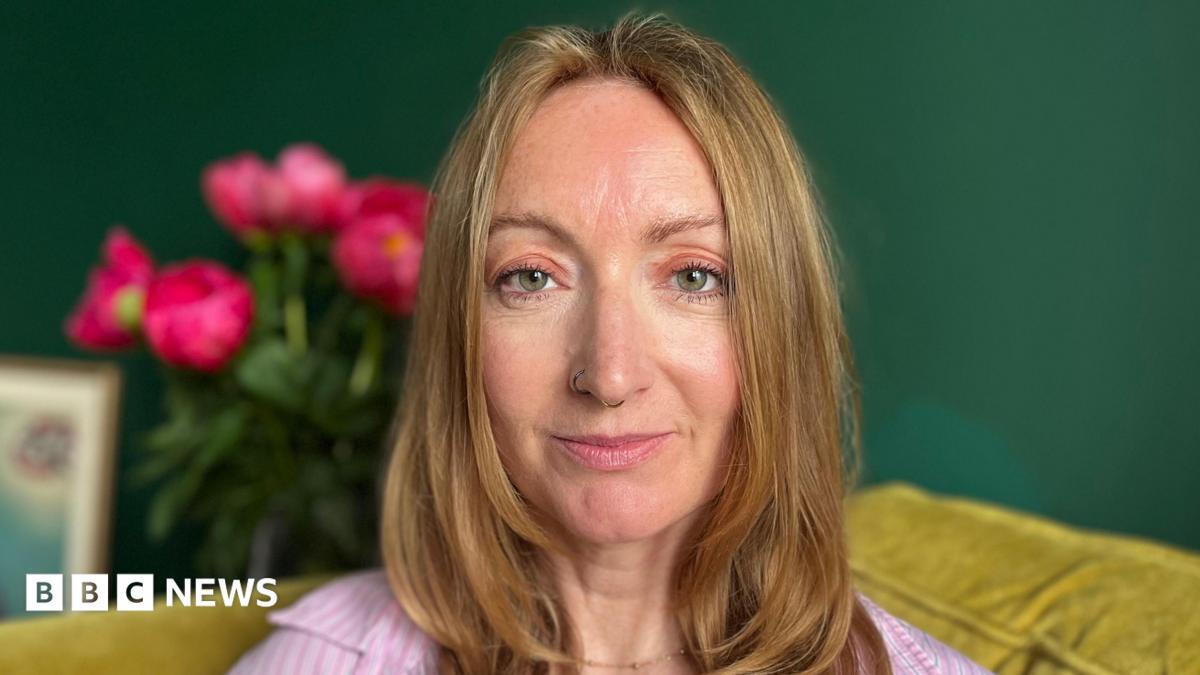
A Cardiff woman is speaking out about a rare and harrowing medical ordeal that saw her hospitalized for the presence of 38 parasites in her brain. Lowri Denman, a 42-year-old media professional, spent nearly a decade battling the long-term neurological and psychiatric consequences of neurocysticercosis, a condition resulting from the larvae of the pork tapeworm.
A Delayed Discovery
The infection is believed to have originated during a three-month trip to India in 2007. Despite adopting a vegetarian diet during her travels to avoid foodborne illness, Dr. Brendan Healy, a consultant in infectious diseases and microbiology, suggests Denman likely inadvertently ate pork that contained microscopic tapeworm eggs.
Related media


The first physical indication of the infection occurred in 2010 when Denman passed a metre-long tapeworm. Initial stool tests returned satisfactory results, leading to a period of false reassurance. It was not until 2011, after experiencing severe headaches and a tonic-clonic seizure, that further medical imaging revealed the extent of the infestation. Scans confirmed the presence of 38 parasites residing in her brain.
Years of Medical Intervention
The journey to recovery involved complex medical management. Denman underwent treatment with various medications, including albendazole and praziquantel, alongside steroids to manage severe brain swelling. The process was fraught with instability; as she was weaned off medication, the swelling often returned in different areas of her brain.
By 2015, her condition necessitated a significant shift in her life. She was forced to give up her career and move into her father’s home. The persistent neurological strain and the side effects of aggressive treatments eventually triggered a mental health crisis. In September 2016, she was admitted to a neuropsychiatric hospital for six weeks, where she required anti-psychotics and mood stabilizers to address severe anxiety, paranoia, and psychosis.
"I walked into the room and she was essentially behaving like a child. Crawling around on the floor, hiding behind a curtain, sitting on her dad's lap as if she was five."
Nicola Brown, friend of 20 years, via BBC
Clinical Rarity and Current Status
Dr. Healy described the case as an extreme rarity, noting that many infectious disease consultants would likely never encounter such a presentation during their entire careers. The case required consultation with experts across both the UK and the US to determine an effective strategy for managing the inflammation without surgical removal.
Today, the parasites have calcified within her brain. While Denman has not experienced a seizure since 2017, she remains on daily epilepsy medication. She describes this period of her life as a transition into her 40s where she is determined to reclaim the time lost to her illness.
Public Health Context
According to the World Health Organization, neurocysticercosis remains a severe form of tapeworm infection. In the United Kingdom, such cases are uncommon and typically associated with individuals who have migrated from endemic regions rather than those visiting from the UK.
The prevalence of various parasitic infections remains a concern for international travelers, and experts often highlight the necessity of strict hygiene in high-risk zones. Other rare instances reported in international news include:
- Thelazia gulosa: Parasitic worms found in the eye, traditionally restricted to cattle.
- Rat lungworm: A disease associated with rodents and slugs that can lead to long-term neurological damage.
- Myiasis: A rare condition where fly larvae burrow into the skin or open wounds.
How significant is this development?
Contribute your assessment to the aggregated reader intelligence ledger.
Archypedia is dedicated to independent, evidence-backed reporting. This briefing was synthesized from primary source reporting, corroborated across independent newsrooms, and verified against our Editorial Standards.
Transparency record
Evidence behind this report
This report synthesizes 6 distinct sources. Open the source ledger below to compare the underlying coverage.
Prepared under the Archypedia Editorial Policy by the Lina Park editorial desk profile. AI-assisted tools may support drafting and verification; public accountability remains with Archypedia. Report an error.