DR Congo Ebola death toll hits 600 amid health worker protests
The Ebola outbreak in the Democratic Republic of the Congo has reached 600 deaths, with containment efforts struggling due to staff strikes and poor access.

The confirmed death toll from the ongoing Ebola outbreak in the Democratic Republic of the Congo (DRC) has reached 600, according to health authorities. Official data confirms a total of 1,759 cases across 37 health zones in the Ituri, North Kivu, and South Kivu provinces. A government update released late Wednesday recorded 51 new cases and 20 deaths within a single 24-hour period.
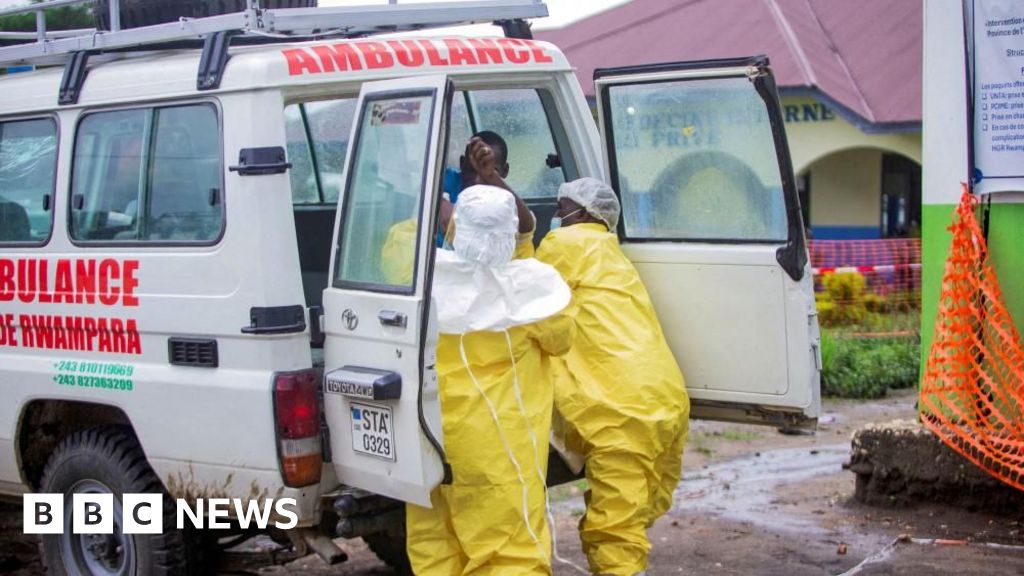
This 17th Ebola outbreak in the country is driven by the Bundibugyo virus, a strain for which there is no currently approved vaccine or specific treatment. Medical facilities are under severe strain, with 750 patients presently in isolation or hospital care, pushing the national bed occupancy rate to 94 percent. The virus, which is transmitted through direct contact with infected bodily fluids, has triggered a broad humanitarian crisis that officials note is complicated by pre-existing issues such as malaria, measles, poor sanitation, and displacement.
Related media
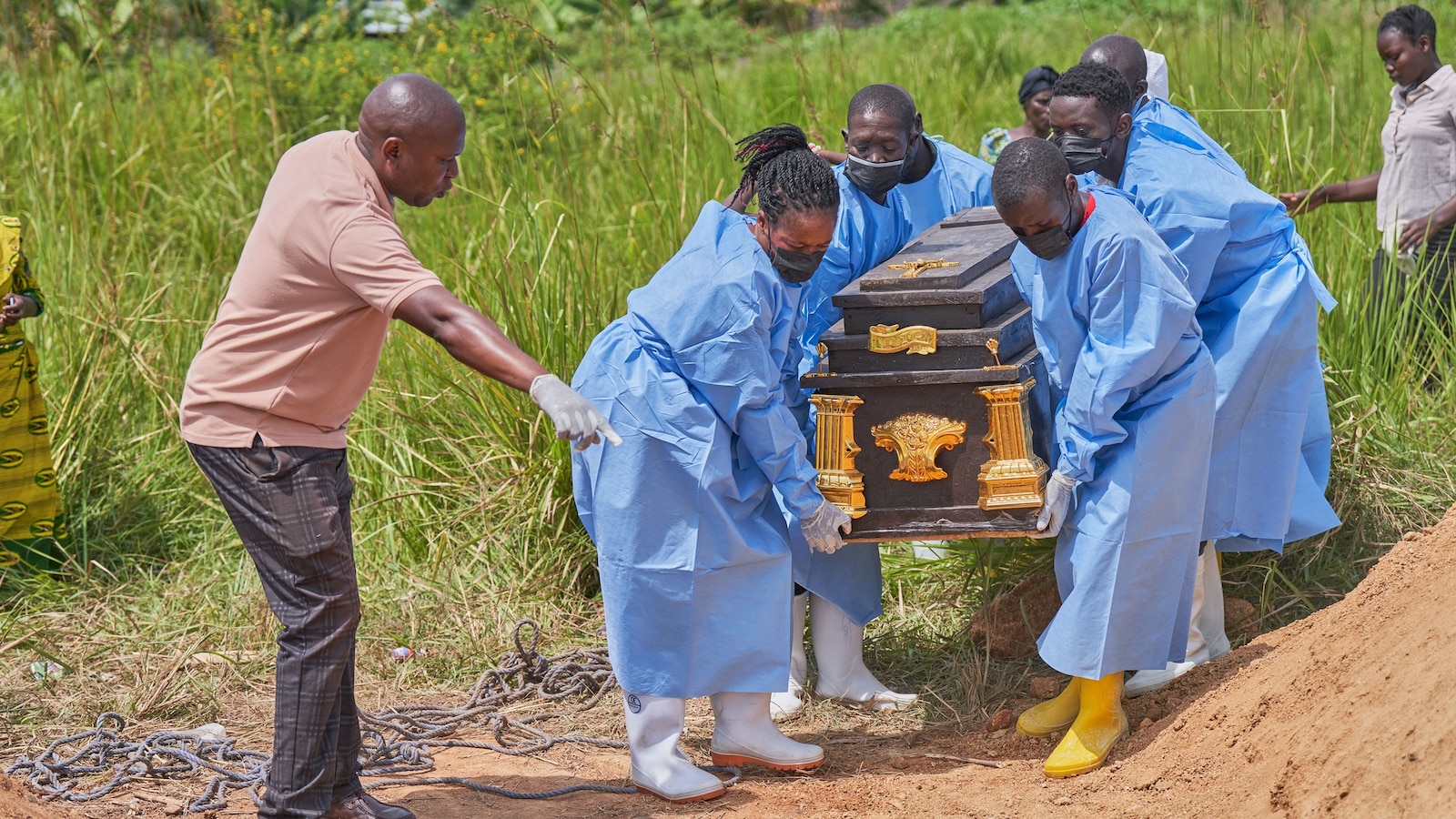

Healthcare Worker Protests
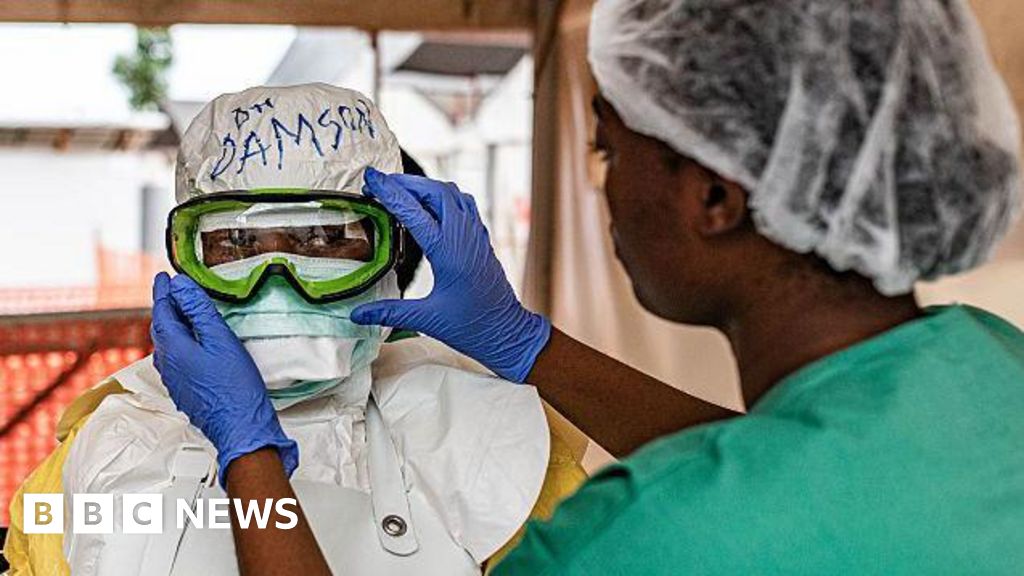
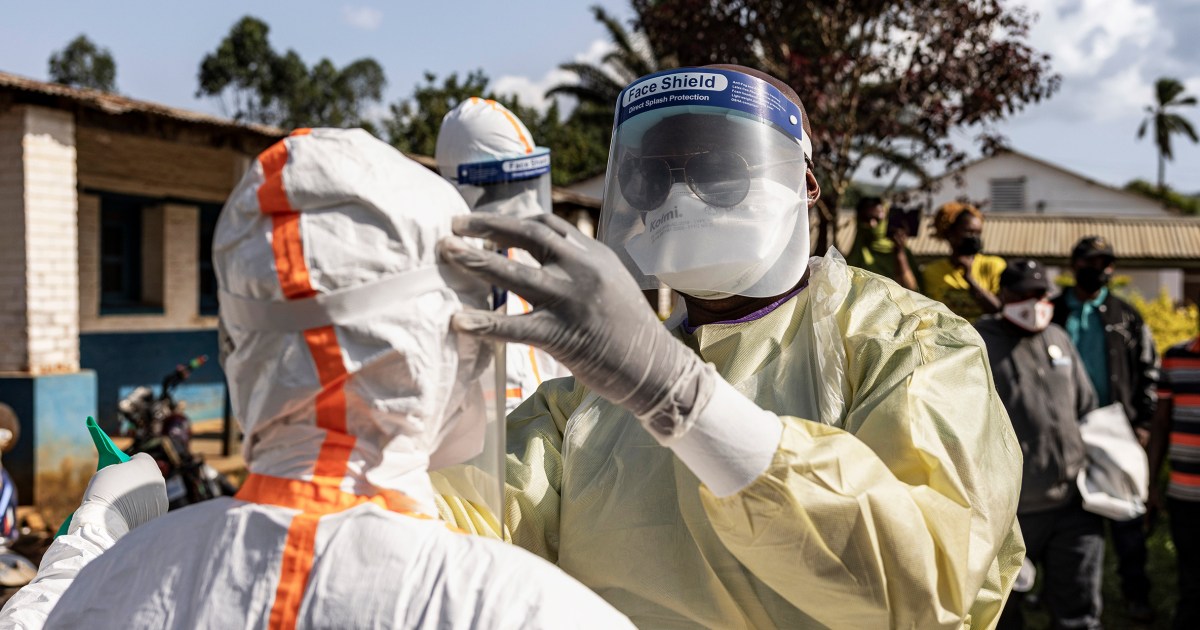
The humanitarian response faces mounting pressure as front-line healthcare workers in the Ituri province—the region most severely impacted by the virus—have begun walking off the job to protest against the delay in payments. Staff report that they have not received wages or bonuses since the outbreak was officially declared on 15 May 2026. In addition to financial concerns, workers have cited working with inadequate protective equipment and experiencing unfair treatment by response teams and local authorities.
Dr. Biensi Kano, a member of the epidemiological surveillance committee in the Ituri provincial capital of Bunia, addressed the financial strain affecting the response.
While no formal strike has been declared, some workers stopped working by Tuesday following an initial 24-hour ultimatum issued to national and provincial authorities over the weekend. These labor disputes threaten the enrollment process for clinical trials, which are intended to test potential antiviral medications and monoclonal antibody therapies for the Bundibugyo strain."Since the Ebola virus disease outbreak was declared, we’ve been demanding payment for our work,"
Dr. Biensi Kano, Epidemiological surveillance committee member, via Al Jazeera
Operational and Security Hurdles
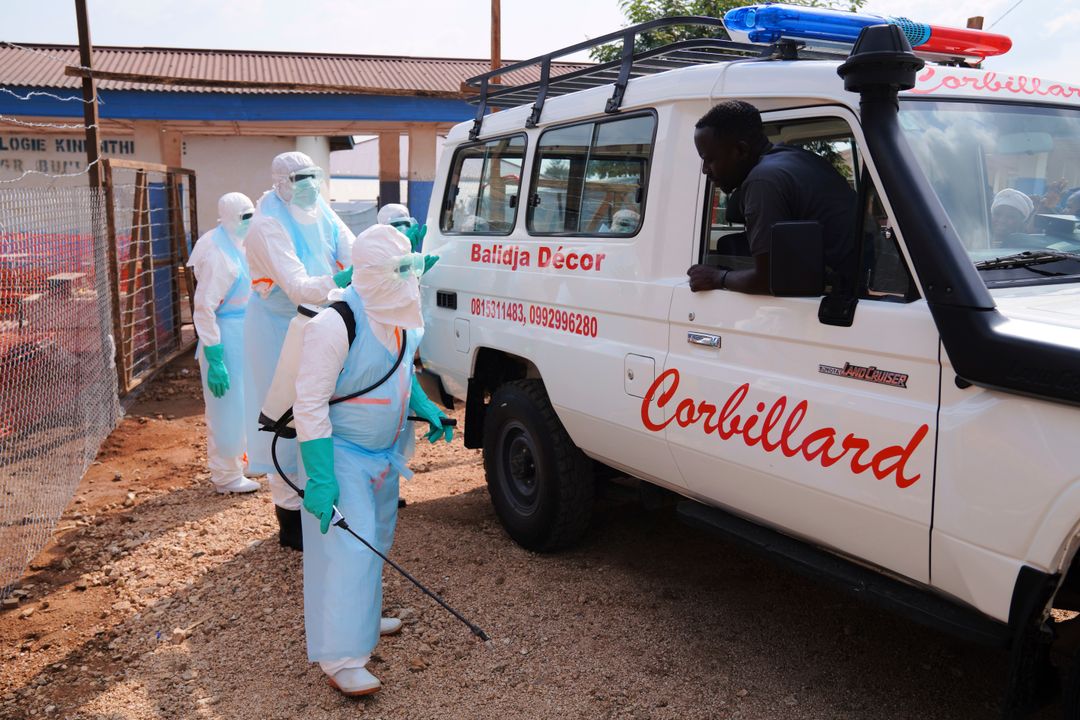
Beyond staffing issues, the response remains hampered by a complex security environment. Armed groups continue to restrict humanitarian access in parts of the eastern DRC, while community resistance toward medical teams remains a significant barrier to containment. Officials have cited specific ongoing constraints including community resistance to post-mortem sampling, insufficient treatment capacity, gaps in contact tracing, and limited supplies.
Contact tracing efforts are struggling to meet global standards. Health officials are following 5,681 contacts, but only 56 percent have been successfully reached. Public health leaders, including officials at the World Health Organization, have warned that this figure must reach approximately 95 percent to effectively curb transmission. The difficulty of these efforts is compounded by the fact that many in the affected communities face concurrent crises, leading some to perceive the singular focus on Ebola as ignoring their more immediate, daily survival needs.
Infectious disease experts have acknowledged the difficulty of implementing health interventions in this environment.
"If we save someone from Ebola and their child dies from malaria, how have we really helped that family?"
Maria Van Kerkhove, Infectious disease epidemiologist and director of Epidemic and Pandemic Management at the WHO, via ABC News
Current Status and Clinical Outlook
The government report indicates that two potential cases of illness in Kisangani, the capital of the Tshopo province, are currently awaiting validation. These cases have not yet been included in the official total. One of these cases is linked to the village of Nia-Nia in the Ituri province, while the other does not appear to have a geographic link beyond Kisangani.
Looking ahead, authorities remain focused on several key areas of the response:
- Clinical Trials: Enrollment is underway for trials of candidate antiviral medications and monoclonal antibody therapies, though the process remains vulnerable to interruptions caused by labor disputes.
- Surveillance Expansion: The ongoing validation of cases in Kisangani remains a priority to determine the trajectory of the outbreak in new provinces.
- Contact Tracing: Responders are attempting to increase the percentage of contacts reached, with the goal of hitting the 95 percent threshold required for effective epidemic control.
- Security Access: The ability of medical teams to operate in areas controlled by armed groups continues to be a primary variable in the distribution of aid and the management of isolation facilities.
How significant is this development?
Contribute your assessment to the aggregated reader intelligence ledger.
Archypedia is dedicated to independent, evidence-backed reporting. This briefing was synthesized from primary source reporting, corroborated across independent newsrooms, and verified against our Editorial Standards.
Transparency record
Evidence behind this report
This report synthesizes 7 distinct sources. Open the source ledger below to compare the underlying coverage.
Prepared under the Archypedia Editorial Policy by the Lina Park editorial desk profile. AI-assisted tools may support drafting and verification; public accountability remains with Archypedia. Report an error.