Agoraphobia: What It Is, Causes, Symptoms and Treatment
Agoraphobia is characterized by the fear of being in situations where escape might be difficult or help unavailable. Treatment often includes a combination of cognitive behavioral therapy and medication.

Agoraphobia is a complex anxiety disorder that extends far beyond a simple fear of leaving one’s home. Clinical definitions describe it as an intense, irrational fear of situations where an individual might feel trapped, helpless, or unable to access help should they experience a panic attack or other incapacitating symptoms.
Defining the Experience
According to Webmd, individuals with agoraphobia experience extreme fear in at least two distinct situations, such as utilizing public transportation, standing in crowds, being in open spaces, or being outside alone. The core issue is not the place itself, but the anticipation of a panic attack occurring in an environment where escape is perceived as difficult. This anticipatory anxiety
can create a self-perpetuating cycle: the fear of having an attack leads to avoidance of public places, which in turn reinforces the belief that those environments are inherently unsafe.
Related media
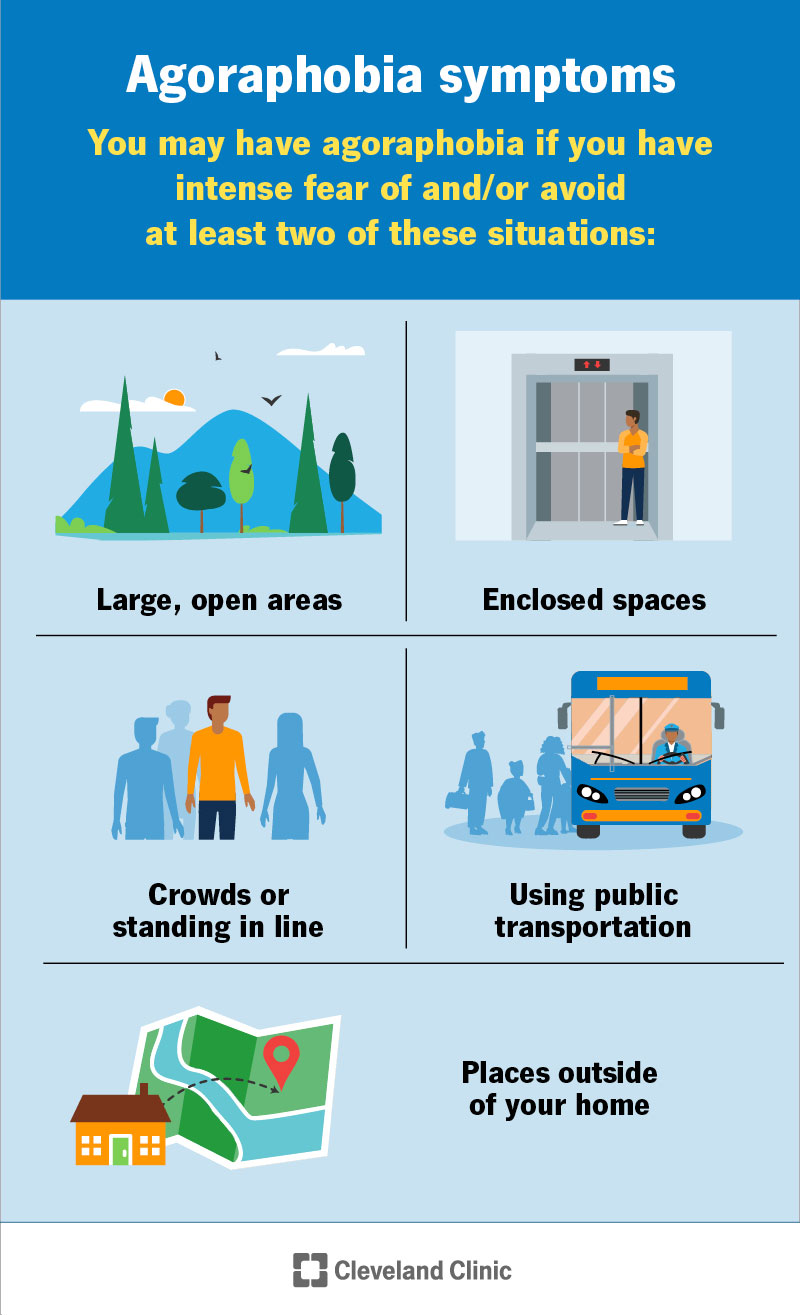


The Cleveland Clinic notes that while agoraphobia frequently develops alongside panic disorder, it can manifest independently. Experts at Buoy Health emphasize that this is distinct from social anxiety disorder. While social anxiety is rooted in a fear of judgment or embarrassment by others, agoraphobia is characterized by the fear of being trapped or unable to receive aid during a medical or psychological emergency.
Symptoms and Identification
Signs of the condition range from mild discomfort to severe, disabling isolation. During an episode of intense anxiety or a panic attack, individuals may experience physical symptoms, including:
- Shortness of breath or difficulty breathing
- Racing or irregular heart rate
- Chest pain
- Dizziness, lightheadedness, or feeling faint
- Sweating or shaking
- A sense of detachment from reality or the feeling that one might die
Causes and Contributing Factors
While the exact origins of agoraphobia remain unknown, medical professionals point to a convergence of factors. Genetic predispositions may play a role, as the condition often appears more frequently in individuals with a family history of anxiety. Past trauma, such as childhood abuse or the loss of a parent at a young age, also serves as a significant risk factor. Furthermore, periods of high stress — such as job loss, divorce, or major life transitions — can trigger the onset of the disorder.
Treatment and Recovery Pathways
Recovery is widely considered possible through evidence-based interventions. Integrated Care Clinic identifies the combination of cognitive behavioral therapy (CBT) and medication as the gold standard for treatment.
CBT, particularly through exposure therapy, is used to systematically desensitize patients. By creating a hierarchy of feared situations, starting with low-anxiety tasks and progressing to more challenging ones, patients learn to tolerate physical symptoms without relying on avoidance. Some therapists also utilize virtual reality (VR) to simulate exposure within a controlled setting.
When medication is deemed necessary, selective serotonin reuptake inhibitors (SSRIs) are the most commonly prescribed options for long-term management.
Management and Support
For those supporting a loved one with agoraphobia, experts suggest several guidelines:
- Validate feelings: Acknowledge that the fear is real, even if the situation itself seems objectively safe.
- Avoid pressure: Forcing an individual to face high-anxiety situations before they are ready can worsen the condition.
- Avoid reinforcement: While being supportive is essential, refrain from enabling avoidance behaviors that prevent the person from making progress.
- Seek professional input: Encourage the use of virtual or telehealth therapy sessions if the individual is unable to travel to a clinic.
As research continues, the emphasis remains on early diagnosis. As noted by the Cleveland Clinic, the earlier a patient begins a structured treatment program, the more favorable the long-term outlook. If symptoms become a crisis, immediate assistance is available through resources such as the 988 Suicide & Crisis Lifeline.
How significant is this development?
Contribute your assessment to the aggregated reader intelligence ledger.
Archypedia is dedicated to independent, evidence-backed reporting. This briefing was synthesized from primary source reporting, corroborated across independent newsrooms, and verified against our Editorial Standards.
Transparency record
Evidence behind this report
This report synthesizes 11 distinct sources. Open the source ledger below to compare the underlying coverage.
- webmd.com
- my.clevelandclinic.org
- integratedcareclinic.com
- buoyhealth.com
- resiliencelab.us
- bannerhealth.com
- yahoo.com
- eonline.com
- theconversation.com
- ca.news.yahoo.com
- slate.com
Prepared under the Archypedia Editorial Policy by the Lina Park editorial desk profile. AI-assisted tools may support drafting and verification; public accountability remains with Archypedia. Report an error.


