Valve launches Steam Machine starting at $1,049 with June 30 shipping
Valve is returning to the living room with a premium Steam Machine featuring semi-custom AMD silicon and a strict anti-scalper reservation system.

Valve is attempting to reclaim the living room, launching a rebooted Steam Machine that trades the budget-friendly ambitions of its 2015 predecessor for a premium, open-ecosystem approach. The company confirmed the entry-level model starts at $1,049, with the first units scheduled to ship on June 30, 2026. The launch comes after a seven-month period of pricing silence that Valve attributed to a global memory-chip crisis.
Unlike traditional hardware releases, the Steam Machine is being distributed through a randomized reservation lottery to blunt the impact of reseller bots. Valve opened the reservation window in June, closing it on June 25, 2026. The company began sending purchase invitations to selected users on June 29, one day before shipping commences. According to Tech Insider, Valve intends to work through the full reservation queue by the end of 2026, meaning some customers may wait until 2027 for their hardware.
Related media


Pricing and Configurations
The final pricing reflects a volatile hardware market. Valve noted that the cost of components, particularly NAND flash and DRAM, forced a reconsideration of initial pricing plans. The 512GB base model starts at $1,049, while the 2TB model costs $1,349—a $300 premium that Tech Insider reports is a direct result of the current memory shortage.
Customers can also opt for bundles including the new Steam Controller, which adds roughly $79 to the cost of any tier. The full pricing breakdown is as follows:
| Configuration | Price (Console Only) | Price (With Steam Controller) |
|---|---|---|
| 512GB Model | $1,049 | $1,128 |
| 2TB Model | $1,349 | $1,428 |
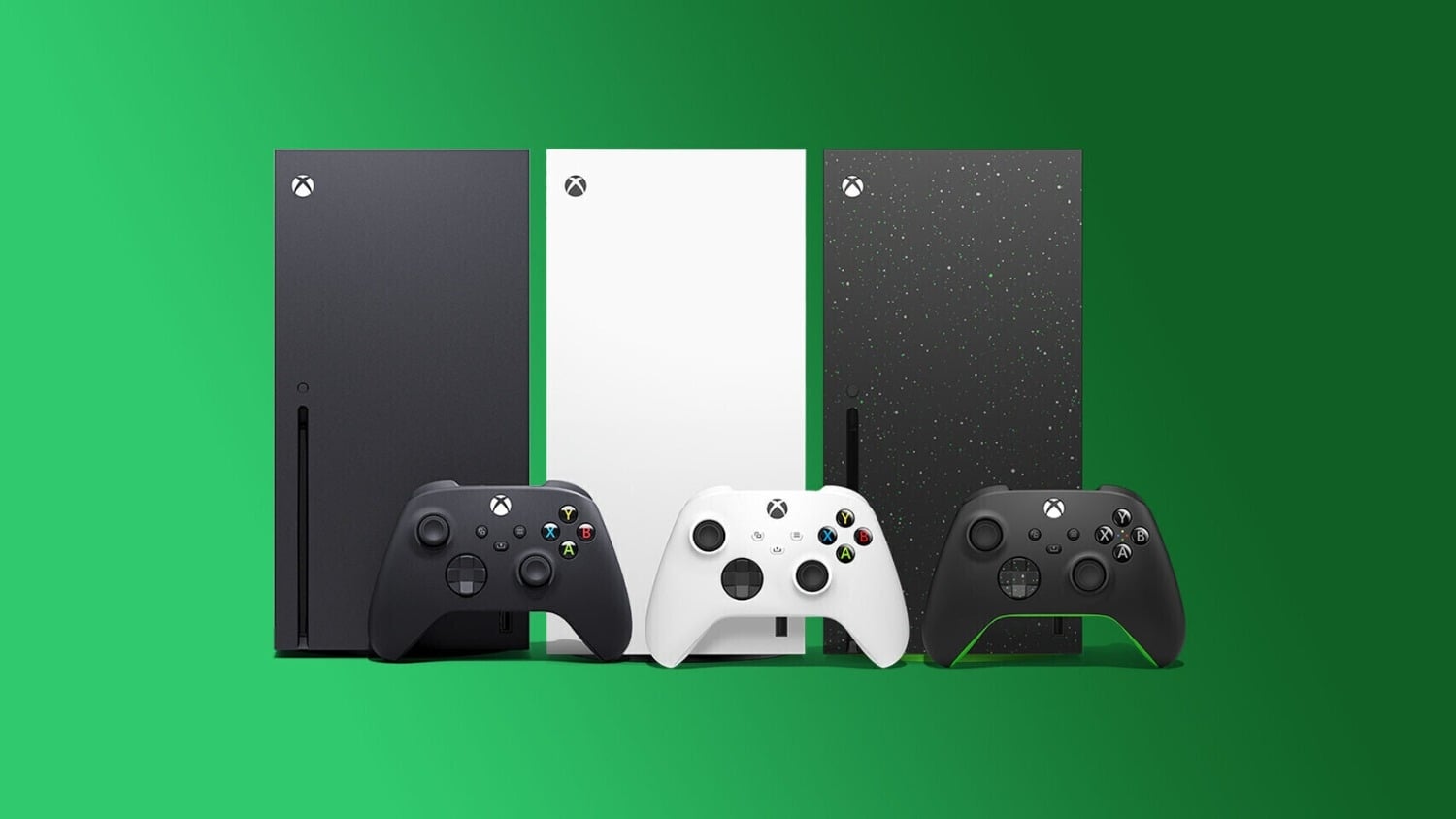
The $1,049 entry price is significantly higher than current console competition. The Verge notes that a 2TB Xbox Series X costs $729.99, a PS5 Pro is $899.99, and the Switch 2 will be $499.99 starting in September. Valve stated it is selling the hardware basically at cost.
Hardware Specifications and Performance
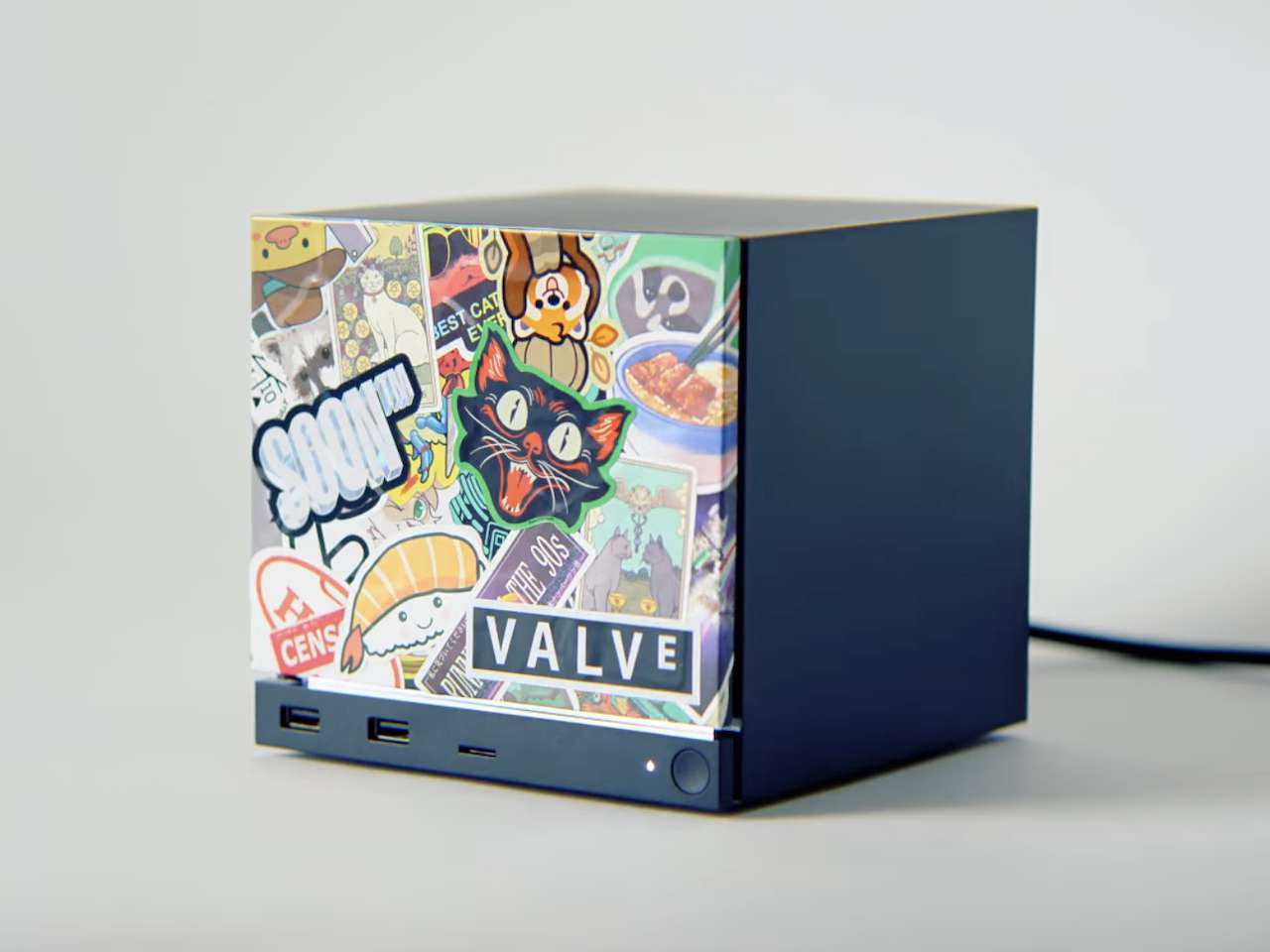
The Steam Machine is a compact cube measuring 156 x 162.4 x 152 mm and weighing approximately 2.6 kg. It is powered by semi-custom AMD silicon: a six-core, twelve-thread Zen 4 CPU (clocked up to 4.8 GHz with a 30W TDP) and an RDNA 3 GPU with 28 compute units (up to 2.45 GHz with a 110W TDP) and 8GB of GDDR6 VRAM.
The system includes 16GB of DDR5 RAM. While Valve initially suggested the RAM might be configured as either one 16GB stick or two 8GB sticks, the company later clarified to The Verge that all current units will ship with a single 16GB stick.
Performance benchmarks from Gamersnexus indicate the machine performs closest to an RTX 3060 or RX 6600 in GPU-bound tests. The outlet noted the device is near-silent operation at roughly 23–24 dBA under full load. However, The Verge reported that the device struggled to maintain 4K/60FPS in some titles, leading Valve to revise its marketing language from 4K gaming at 60 FPS with FSR
to Up to 4k gaming with FSR 4.1
.
Other I/O includes a microSD card slot.
The Anti-Scalper Strategy
To prevent the massive markups seen in previous hardware drops, Valve implemented strict eligibility requirements. To reserve a unit, an account had to meet three criteria:
- Be in good standing.
- Have made at least one purchase on Steam before April 27, 2026.
- Limit reservations to one per household.
The randomization process ensures that there is no advantage to registering the moment the page goes live. Once an invitation is sent, buyers have a 72-hour window to complete the transaction or lose their slot. This system is designed to disqualify bot farms created shortly before pre-orders went live.
Strategic Context: SteamOS and the Living Room
The 2026 launch differs from the 2015 failure due to the maturity of SteamOS and the Proton compatibility layer. Because SteamOS was hardened via millions of Steam Decks, the Steam Machine can run the majority of Windows games without developer porting. Unlike the 2015 attempt, which relied on various partner manufacturers, Valve now builds the hardware itself.
External companies have already attempted to capitalize on the release. Dbrand launched a Portal-themed "Companion Cube" accessory on June 22, but the company later announced it was refunding buyers after Valve's legal team requested the product be taken down because it was made without a license.
How significant is this development?
Contribute your assessment to the aggregated reader intelligence ledger.
Archypedia is dedicated to independent, evidence-backed reporting. This briefing was synthesized from primary source reporting, corroborated across independent newsrooms, and verified against our Editorial Standards.
Transparency record
Evidence behind this report
This report synthesizes 6 distinct sources. Open the source ledger below to compare the underlying coverage.
Prepared under the Archypedia Editorial Policy by the Niko Vale editorial desk profile. AI-assisted tools may support drafting and verification; public accountability remains with Archypedia. Report an error.