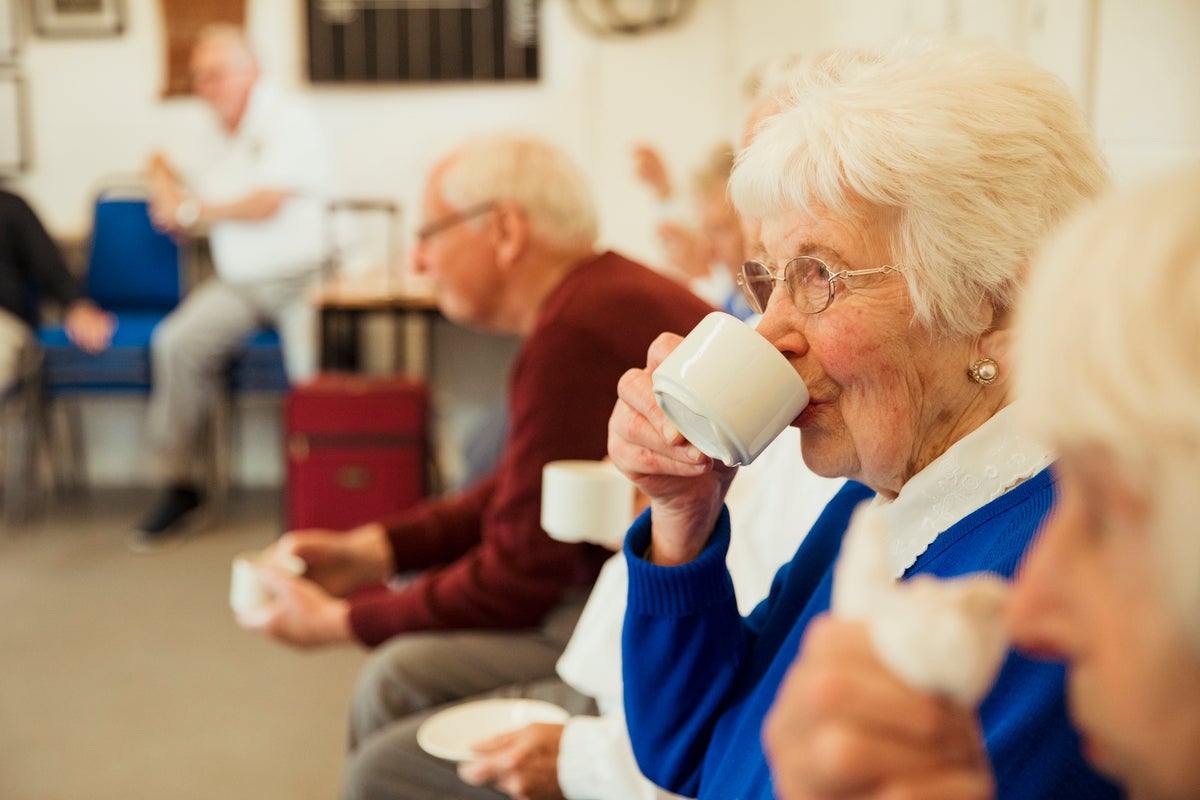
Cheri Aiken returns to hiking after successful lumbar spinal fusion surgery
Cheri Aiken's successful return to hiking trails following lumbar spinal fusion surgery underscores the critical role of rehabilitation in spinal recovery.

For Cheri Aiken, a Laguna Beach resident and avid walker, the simple act of navigating downtown or hiking local trails had become an unreachable goal. Following a diagnosis of advanced spinal stenosis — a condition characterized by the narrowing of space in the spine — Aiken faced debilitating pain that restricted her movement to mere feet. Her experience, which culminated in a successful lumbar spinal fusion in February 2022, highlights a broader medical trajectory for patients seeking to regain mobility through spinal surgery.
Aiken’s return to activity, rejoining friends on mountain trails and resuming her work at the Laguna Food Pantry, serves as a tangible example of the potential outcomes for those suffering from chronic spinal conditions. Her recovery involved a structured regimen of physical therapy and strict adherence to postoperative guidelines, a process echoed by medical professionals as essential for long-term success.
Related media


The Spectrum of Surgical Recovery
Recovery timelines for spine patients vary significantly based on the procedure type and individual health markers. According to experts at Spine Together, patients often begin walking short distances with assistance within a few days of surgery. While traditional open procedures generally necessitate longer hospital stays and more intensive recovery periods, minimally invasive techniques, which utilize smaller incisions and specialized instruments, frequently allow for faster mobilization.
The complexity of these interventions can reach extreme levels. In one instance, a 52-year-old patient underwent a 14-hour Posterior Vertebral Column Resection to address thoracic kyphoscoliosis, regaining the ability to walk just ten days after the procedure.
Navigating Complications and Revision Surgery
Not every recovery follows a linear path. For some, initial surgeries fail to provide relief or result in further complications, necessitating revision procedures. The story of Joanne Gilmore, 80, illustrates this difficulty; after a 2025 neck surgery left her paralyzed, she eventually sought a second opinion at Musc Health. Her subsequent laminectomy allowed her to regain significant function, though surgeons caution that full recovery in such cases is often a lengthy process involving brain plasticity rather than simple nerve regeneration.
Factors Influencing Postoperative Success
Medical experts identify several variables that influence recovery, particularly among elderly populations. Furthermore, the role of physical therapy cannot be overstated; it remains a cornerstone for reinforcing mobility and ensuring patients adapt to their post-surgical bodies.
Common themes across patient experiences include:
- Early Intervention: Patients who address nerve compression before it becomes permanent often see better functional returns.
- Personalized Physical Therapy: Tailored exercises, both in-clinic and at-home, are critical for rebuilding muscle and stability.
- Multidisciplinary Care: Success often involves a team of surgeons, physical therapists, and family support systems.
- Patient Advocacy: The necessity of seeking second opinions or exploring different surgical approaches, such as moving from open to minimally invasive techniques, has proven life-changing for many.
What to Watch Next
As the field of spinal care evolves, the integration of new technologies, such as surgical robots that assist in the placement of spinal implants, is becoming more prevalent. Medical centers are also increasingly focusing on training specialized programs to address chronic, nontraumatic spinal cord injuries. Patients should monitor:
- Technological Adoption: Whether centers in their region offer robot-assisted or endoscopic options.
- Research Milestones: Ongoing studies into biomarkers for frailty and their impact on surgical candidacy for the elderly.
- Follow-up Protocols: The necessity of long-term monitoring, as some recoveries, such as nerve healing, may span up to two years.
For those currently considering treatment, the consensus remains that while surgery offers the potential for a renewed quality of life, it requires significant preparation and a dedicated commitment to the rehabilitation process. As Aiken noted following her own recovery, success often depends on getting as strong as possible prior to the procedure and following all post-operative instructions provided by the surgical team.
How significant is this development?
Contribute your assessment to the aggregated reader intelligence ledger.
Archypedia is dedicated to independent, evidence-backed reporting. This briefing was synthesized from primary source reporting, corroborated across independent newsrooms, and verified against our Editorial Standards.
Transparency record
Evidence behind this report
This report synthesizes 9 distinct sources. Open the source ledger below to compare the underlying coverage.
- medboundtimes.com
- hoagorthopedicinstitute.com
- spinetogether.com
- uchicagomedicine.org
- musc.edu
- hscfoundation.mb.ca
- mid-day.com
- neurosurgery.columbia.edu
- laspine.com
Prepared under the Archypedia Editorial Policy by the Lina Park editorial desk profile. AI-assisted tools may support drafting and verification; public accountability remains with Archypedia. Report an error.