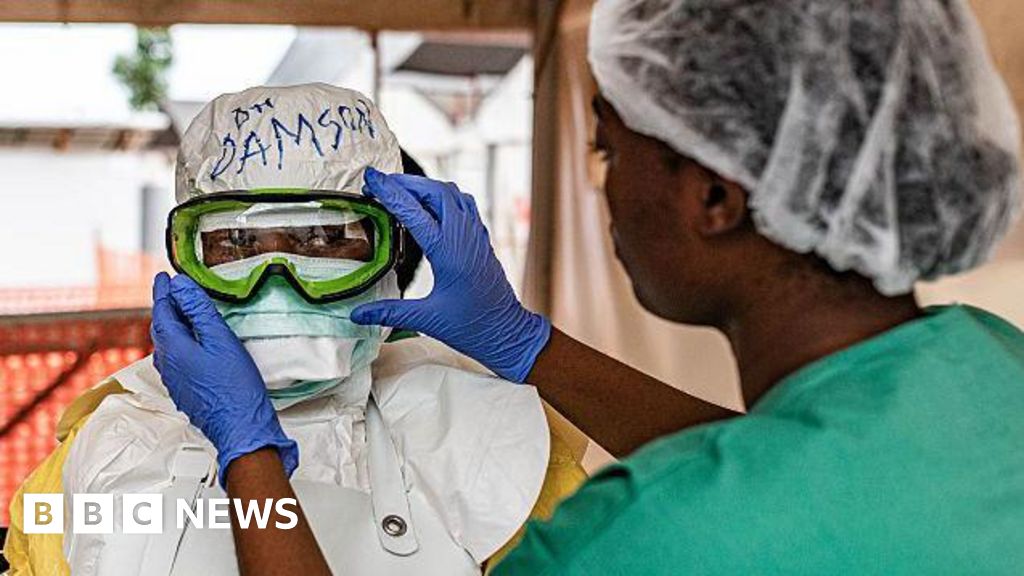
DR Congo Ebola outbreak kills 2,325 to become deadliest in country's history
The current epidemic is spreading faster than previous outbreaks, with fatality rates surging as weak infrastructure and community resistance delay case detection.
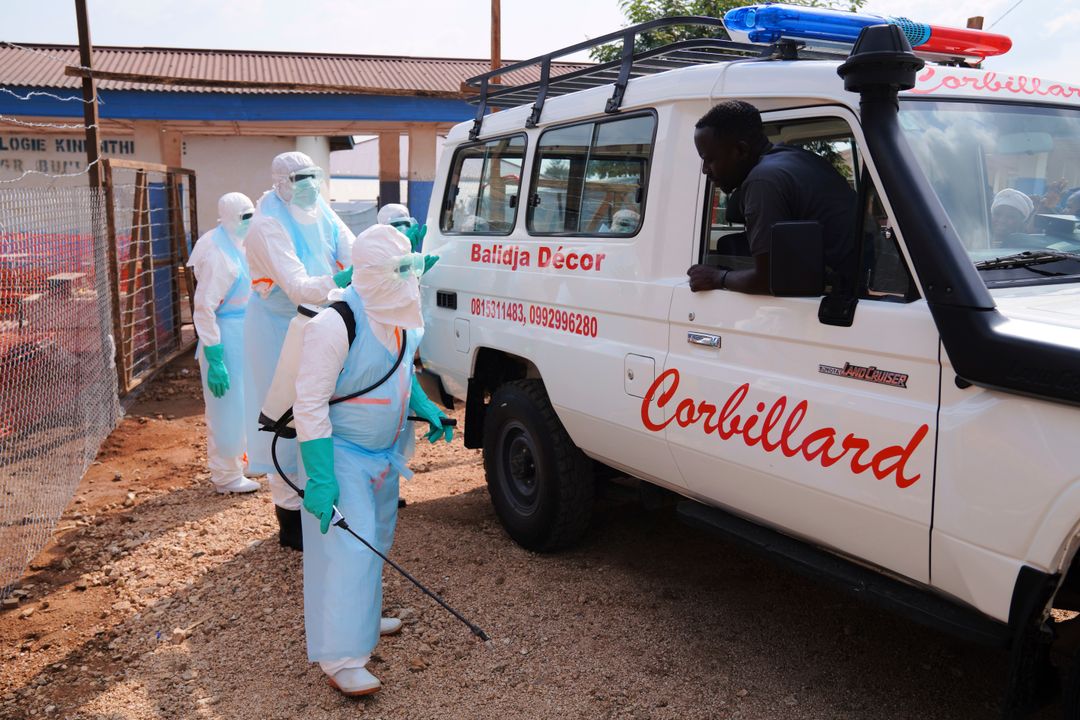
The case fatality ratio for the current Ebola outbreak in the Democratic Republic of Congo has surged from approximately 20 percent in early June to 46 percent, meaning nearly one in every two confirmed cases is now fatal. Yet health experts maintain that this spike does not indicate the virus has evolved to become more lethal.
Government data released Sunday, August 17, 2026, confirms that 2,325 people have died, surpassing the 2,299 fatalities of the 2018–2020 epidemic to make this the deadliest outbreak in the country's history. The death toll is climbing because patients are frequently identified only after they have already died in their communities.
Related YouTube video
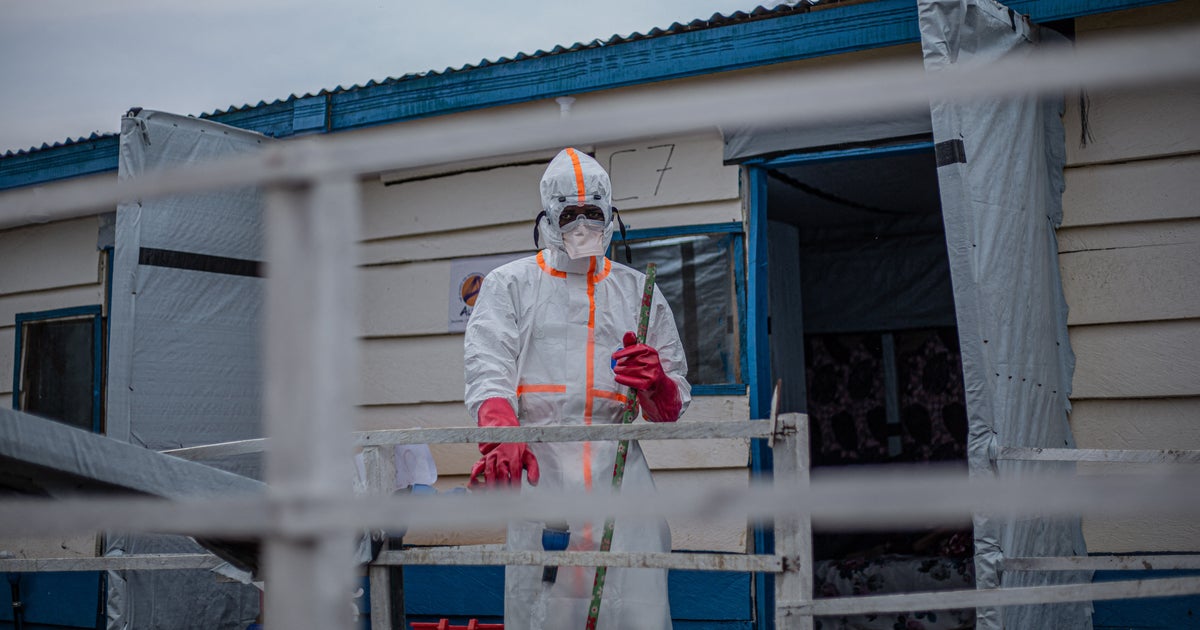

The current crisis is driven by the Bundibugyo species of Ebola. Unlike other strains, this specific species has no approved vaccines or treatments. While global health authorities are assessing whether existing Ebola treatments could offer protection, Huffpost reports that available evidence is currently limited to animal studies.
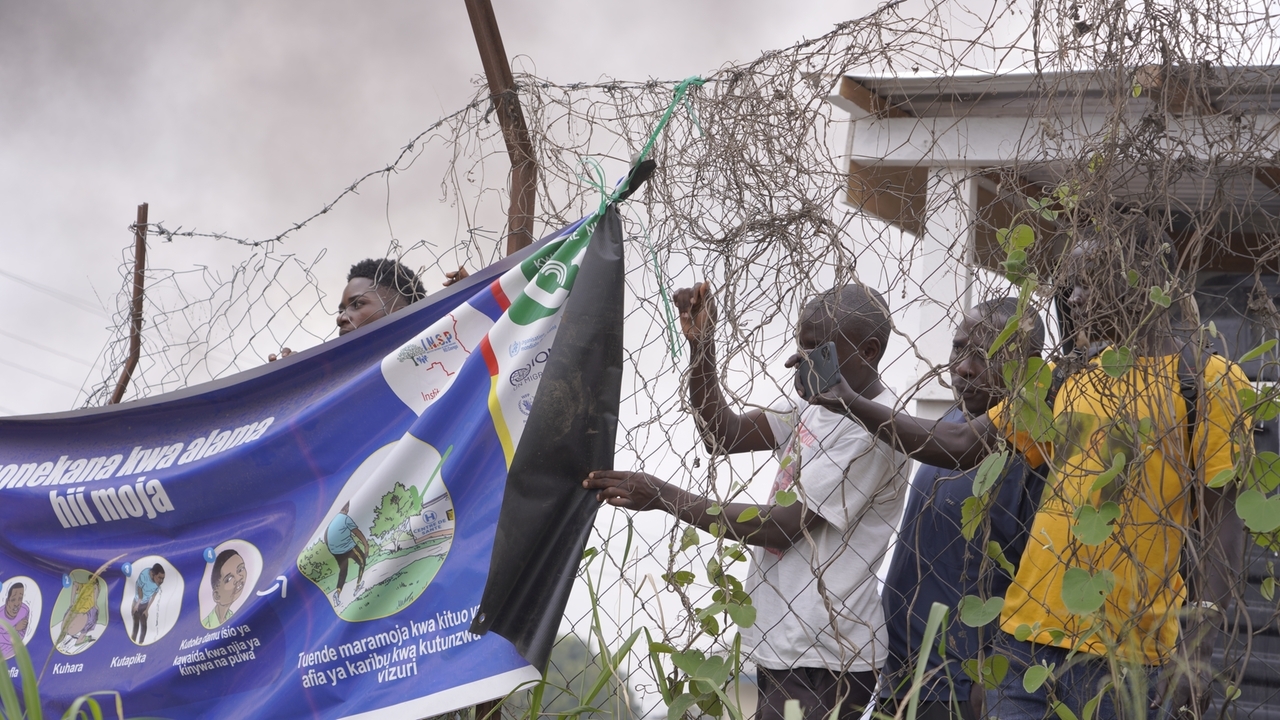
The outbreak has affected 55 health zones across six provinces: Bas-Uele, Haut-Uele, Ituri, North Kivu, South Kivu, and Tshopo. According to reports from TRT World and HuffPost, efforts to identify and respond to cases have been hindered by instability, weak health infrastructure, and community resistance.
"Normally, as an outbreak progresses, the case fatality ratio should fall as contact tracing improves and patients are identified and treated earlier," said Thomas Parisch, a public health specialist deployed to DR Congo with Medecins Sans Frontieres.
Thomas Parisch, Public Health Specialist, via TRT World
Parisch noted that the opposite is occurring, with many cases detected so late that treatment is unlikely to succeed.
While the 2014–2016 West African outbreak took nearly five months to reach 1,000 deaths, the current DRC outbreak hit 2,000 deaths in less than three months. This rapid escalation has prompted a warning from WHO Director-General Tedros Adhanom Ghebreyesus, who stated in a press briefing in Geneva that the epidemic is on track to eclipse the 2014–2016 West African outbreak, the largest ever recorded, which infected more than 28,600 people, according to Chinaview.
Outbreak Comparison: DRC vs. West Africa
| Outbreak | Total Cases | Total Deaths | Time to 1,000 Deaths |
|---|---|---|---|
| DRC (Current) | 4,945 | 2,325 | Under 3 months |
| West Africa (2014-2016) | 28,616 | 11,310 | Nearly 5 months |
| DRC (2018-2020) | 3,481 | 2,299 | Not provided |
The outbreak, which was formally declared on May 15, has already become the largest in the country's history by total case numbers, a milestone reached in late July. In the 24 hours preceding the latest report, 101 new cases were detected.
The virus spreads through direct contact with the bodily fluids of infected individuals, whether living or dead. Symptoms include diarrhea, vomiting, fever, and, in severe instances, external and internal bleeding.
The epidemic previously crossed borders into neighboring Uganda. However, Ugandan authorities declared an end to their outbreak last month after limiting the spread to 20 cases and two deaths, as reported by The Japan Times.
The immediate priority for health officials remains the evaluation of a small number of experimental vaccines and therapies.
Historical Context and Viral Progression
This is the 17th Ebola outbreak recorded in the Democratic Republic of Congo since the virus was first identified within the country in 1976. The speed of the current spread is unprecedented; the epidemic hit 2,000 deaths in less than three months, a pace far exceeding the 2014–2016 West African outbreak, which required nearly five months to reach the 1,000-death mark.
The virus has now penetrated 55 health zones, stretching across six provinces including Ituri and North Kivu. According to Chinaview, the World Health Organization has warned that the epidemic is moving faster than any previous outbreak. Shortcomings in surveillance and case detection mean that the virus often spreads unchecked within communities before health authorities are alerted.
The consequences of these systemic failures are reflected in the case fatality ratio, which ChinaView reports at 47.0 percent in the latest situation report. This means that nearly half of all confirmed patients are dying, largely because they are identified too late for treatment to be effective. For the survivors and the remaining population, the threat persists as long as the virus is active in the bodily fluids of the infected.
With no approved vaccines for the Bundibugyo species, global health authorities are now scrutinizing experimental therapies. The next step for medical teams is the evaluation of a small number of these experimental vaccines and therapies to determine if they can provide the protection currently missing in the DRC's response.
How significant is this development?
Contribute your assessment to the aggregated reader intelligence ledger.
Archypedia is dedicated to independent, evidence-backed reporting. This briefing was synthesized from primary source reporting, corroborated across independent newsrooms, and verified against our Editorial Standards.
Transparency record
Evidence behind this report
This report synthesizes 4 distinct sources. Open the source ledger below to compare the underlying coverage.
Prepared under the Archypedia Editorial Policy by the Lina Park editorial desk profile. AI-assisted tools may support drafting and verification; public accountability remains with Archypedia. Report an error.