Ebola outbreak spreads in Congo as health officials struggle to track cases
Health officials warn that the current Ebola outbreak in the Democratic Republic of Congo is likely much larger than official reports suggest due to widespread undetected community transmission.
An ongoing Ebola outbreak in the Democratic Republic of Congo has triggered international concern as health officials grapple with the rapid, largely undetected spread of the virus. While the outbreak was formally declared in mid-May, the situation has intensified significantly, with current data suggesting the crisis may be far more extensive than initial reports indicated. As of July 2026, authorities are struggling to trace contacts amid intense community transmission, particularly within the Ituri province.
Escalating Transmission and Unaccounted Cases
According to World Health Organization officials, the geographic reach of the virus is increasing. Dr. Marie-Roseline Belizaire, a WHO incident manager, noted that deaths continue to be reported by the community in Congo, and "that means we are missing cases," with the disease still spreading undetected in the population. This sentiment is echoed by WHO emergencies director Chikwe Ihekweazu, who stated that in the epicenter of Bunia, roughly 80 percent of new confirmed patients do not appear on previously established contact lists. Model-based estimates suggest the true scale of the outbreak could be two to four times larger than official figures.
Related media


The intensity of the spread is highlighted by test positivity rates in Bunia, where nearly one in two individuals tested for the virus returns a positive result. While the outbreak is primarily concentrated in the Ituri province—specifically within the health areas of Bunia, Rwampara, Mongbwalu, and Nyakunde—the virus has expanded into the North Kivu, South Kivu, and Tshopo provinces. Addressing the transmission remains difficult, as early evidence suggests the Bundibugyo strain involved in this outbreak may present with milder symptoms than other variants. This often leads families to care for sick relatives at home, which, while potentially improving individual survival rates for those who eventually reach treatment centers, means infected people may remain in the community for longer periods of time and continue to spread the virus.
International Response and Clinical Challenges
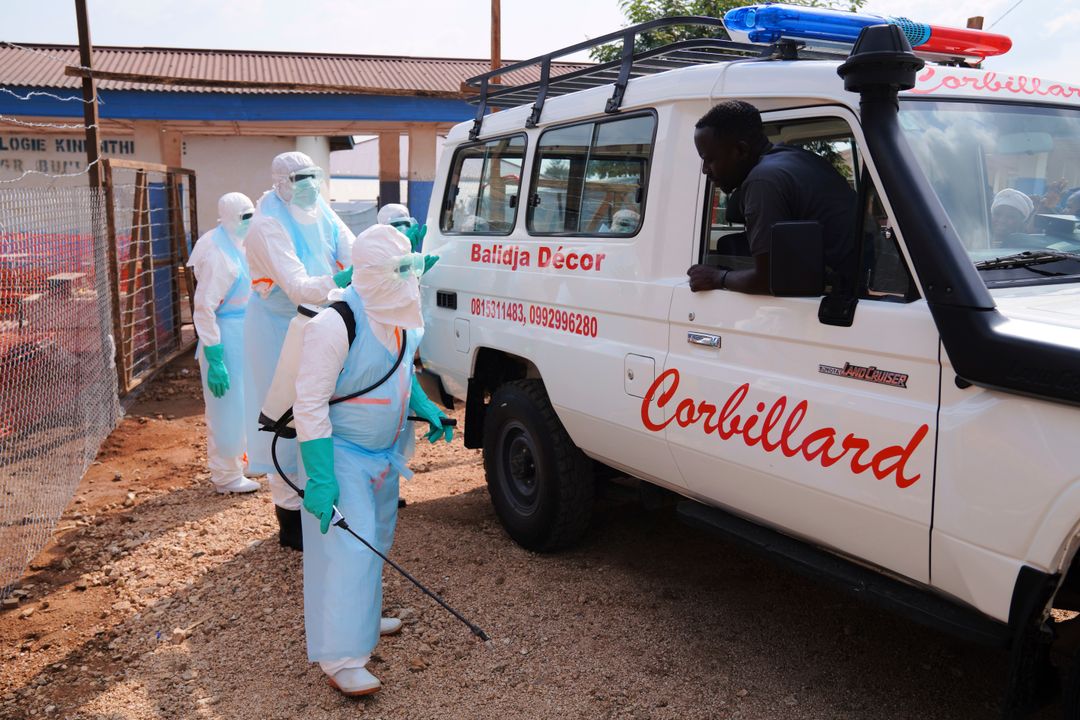
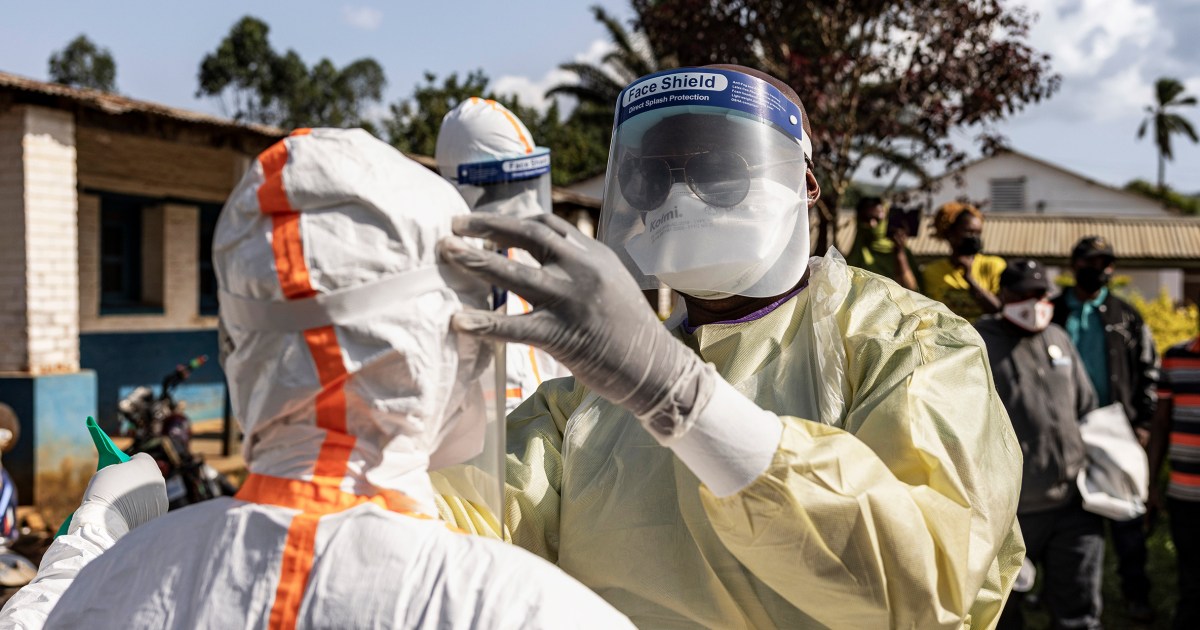
The Centers for Disease Control and Prevention confirmed that an American doctor working with the humanitarian organization Serge tested positive for the virus after being exposed while treating patients at Nyankunde Hospital. Following the diagnosis, the patient and six other high-risk contacts were moved to Germany for specialized care and monitoring. This incident underscores the ongoing risks faced by medical personnel in the region, where 21,000 community health workers are being trained to perform house-to-house visits in an attempt to improve surveillance and encourage early treatment.
The response is further complicated by the lack of an approved vaccine or specific therapeutics for the Bundibugyo strain. Government data released July 9 indicated 1,792 infections and 625 deaths.
Cross-Border Complications
The porous 500-mile border between the Democratic Republic of Congo and Uganda remains a primary point of concern for regional health authorities. Despite official border closures, the movement of people continues due to deep-seated family, linguistic, and cultural ties between the populations on both sides. Dr. Daniel Kyabayinze, Uganda's National Director of Public Health, described managing these unofficial crossings as "like stopping wind from blowing." While Uganda has implemented preventive measures such as mandatory health declarations at major transit points and has reported no new cases in 11 days, epidemiologists continue to monitor the border closely.
What to Watch Next
- Entry Restrictions: Under the authority of the Public Health Services Act, the U.S. Is restricting entry for non-U.S. Passport holders who have been in the Democratic Republic of Congo, Uganda, or South Sudan within the previous 21 days. This measure is set for a 30-day duration.
- Surveillance Efforts: The deployment of 21,000 community health workers marks a transition toward more aggressive, door-to-door case identification.
- Medical Repatriation: Monitoring the health status of the additional six high-risk contacts currently under observation in Germany will serve as a bellwether for the effectiveness of containment protocols for those exposed to the Bundibugyo strain.
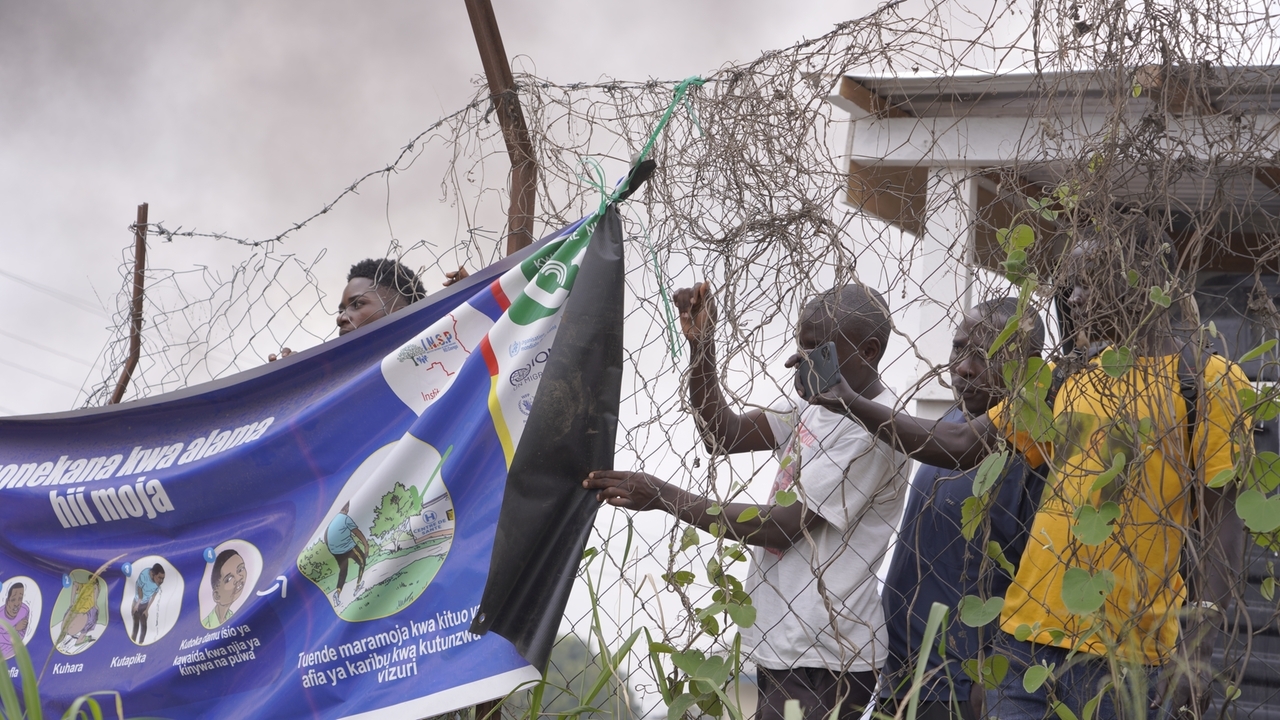
- Community Resistance: Tensions remain high in affected provinces, where health workers have faced public unrest, including incidents where security forces have intervened to manage the safe removal of remains from communities, as traditional funeral practices often conflict with the requirements of curbing a highly contagious virus.
Archypedia is dedicated to independent, evidence-backed reporting. This briefing was synthesized from primary source reporting, corroborated across independent newsrooms, and verified against our Editorial Standards.
Transparency record
Evidence behind this report
This report synthesizes 7 distinct sources. Open the source ledger below to compare the underlying coverage.
Prepared under the Archypedia Editorial Policy by the Lina Park editorial desk profile. AI-assisted tools may support drafting and verification; public accountability remains with Archypedia. Report an error.