Congo Ebola outbreak likely much larger due to undetected transmission
The Ebola outbreak in the Democratic Republic of the Congo is expanding rapidly, with health experts reporting significant undetected community transmission.
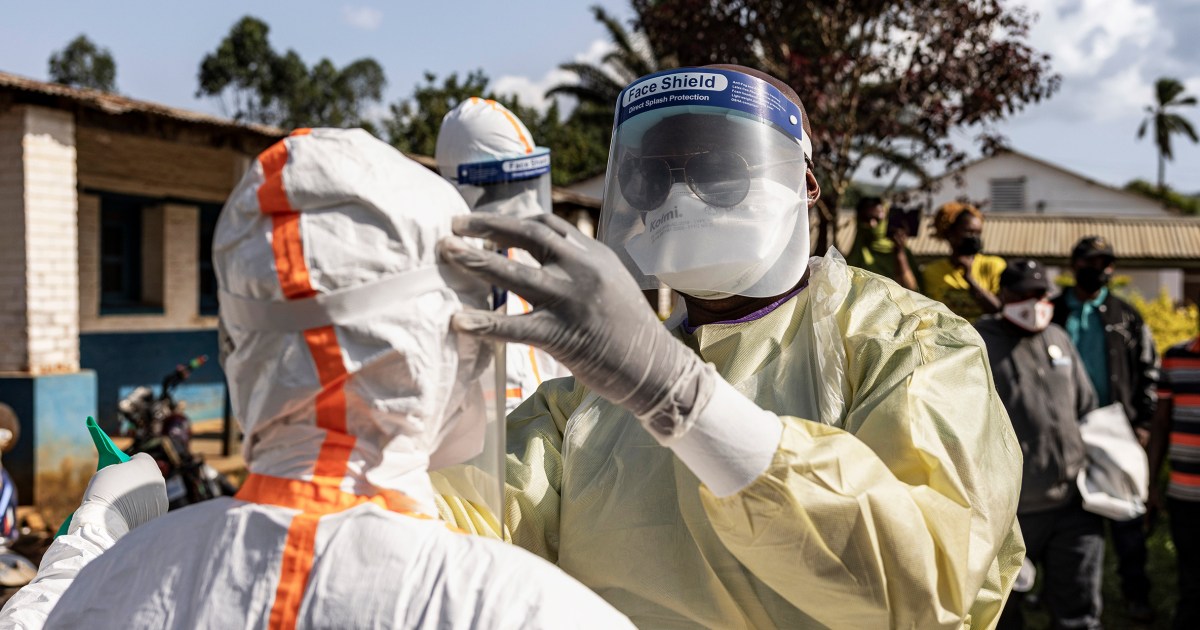
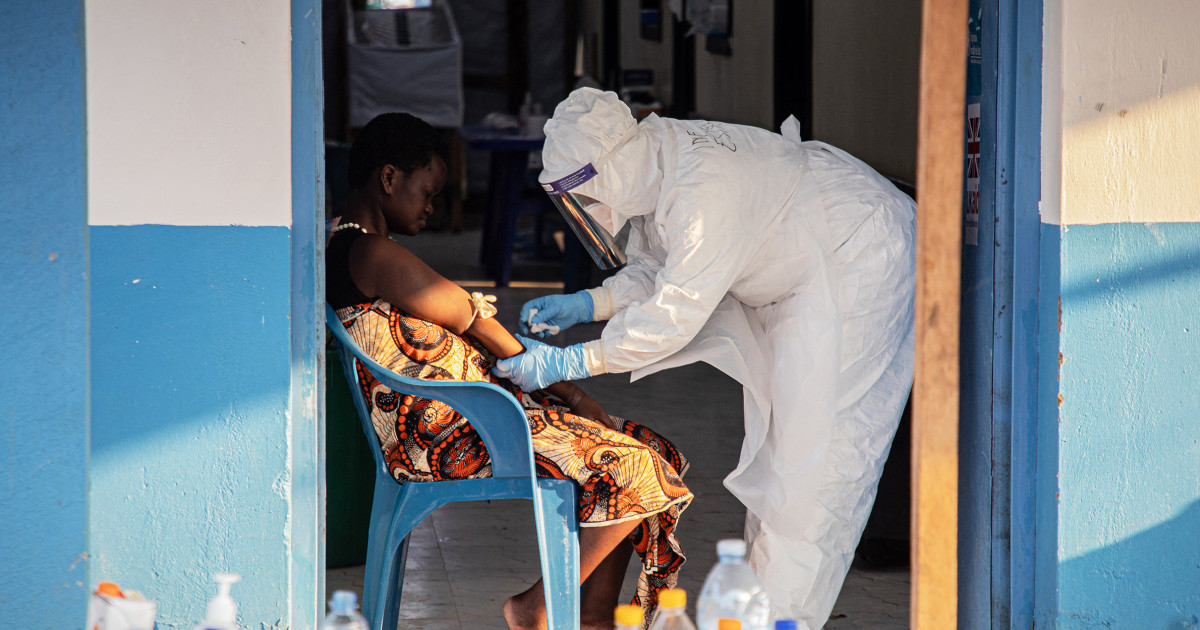
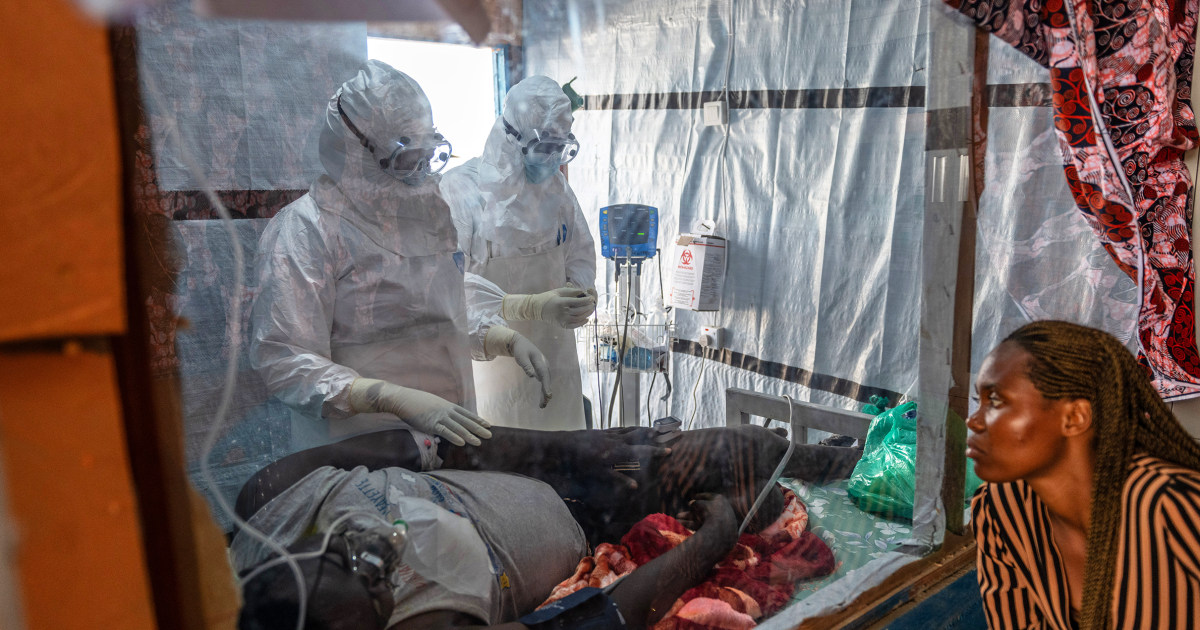
As of Friday, 10 July 2026, the Ebola outbreak in the Democratic Republic of the Congo has reached a scale that health authorities believe is significantly larger than official documentation indicates. Senior officials with the World Health Organization report that the true number of infections could be two to four times higher than the confirmed records, as a substantial portion of new transmissions remains undetected by current surveillance systems.
Government data released on Thursday, 9 July 2026, confirmed 1,792 infections and 625 deaths, though some reporting sources provide slightly varying figures, with other government reports noting 1,759 confirmed cases and a death toll of 600. Despite these discrepancies, the consensus among global health monitors is that the virus is expanding. The Africa Centre for Disease Control identified the current crisis as the fastest-growing Ebola outbreak on the continent.
Related media
Dynamics of Community Transmission
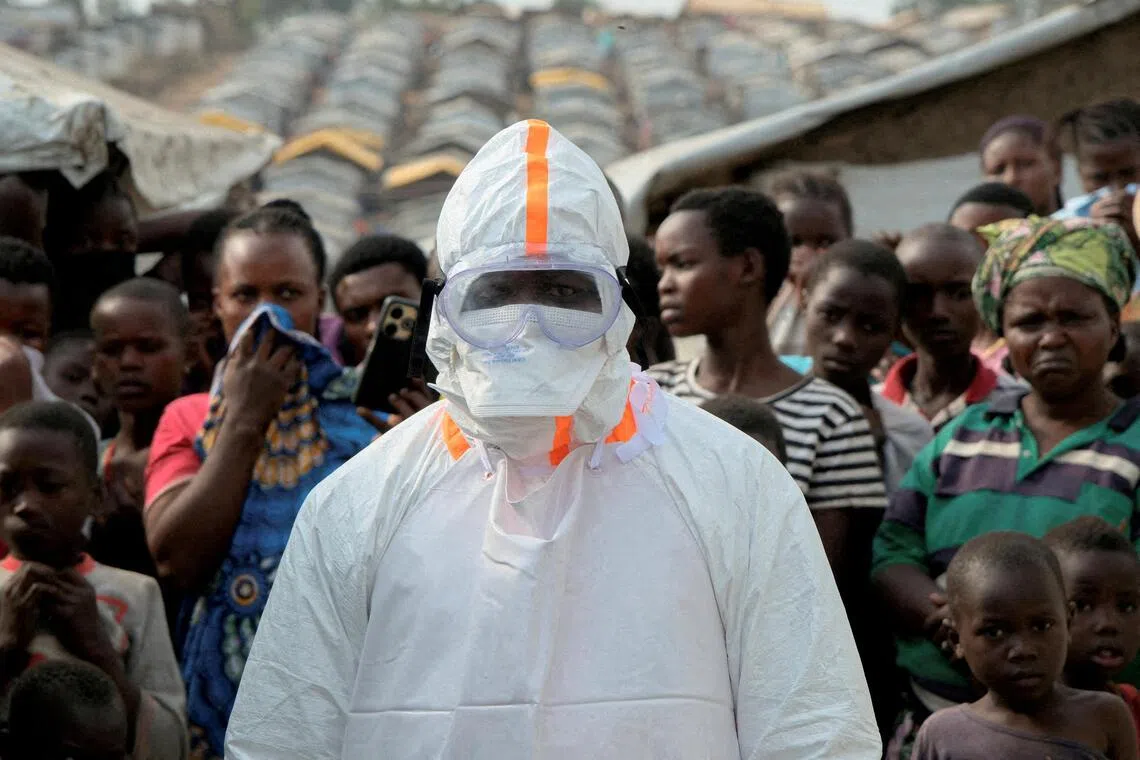
The outbreak, which involves the rare Bundibugyo strain, was officially declared on 15 May 2026. Experts indicate that the disease had been spreading for weeks prior to that declaration without being caught by surveillance. A primary challenge in the current response is that 80 percent of new confirmed patients in the epicenter of Bunia, Ituri province, lack any known link to previously identified cases. This suggests that the virus is moving through the community in ways that current contact-tracing protocols are failing to capture.
The nature of the Bundibugyo strain itself complicates these efforts. Because the virus may induce milder symptoms compared to other variants, individuals may mistake their condition for common tropical illnesses like malaria or typhoid. This often leads families to provide care for sick relatives at home rather than seeking immediate clinical intervention. While this trend is associated with improved survival rates for those who eventually reach treatment centers, it simultaneously facilitates prolonged exposure within households and the community at large.
"Patients are out there much longer than we would like. The longer patients are outside of care, the more likely they are to transmit this illness."
Chikwe Ihekweazu, WHO Emergencies Director, via Reuters
An analysis of the first 400 fatalities in this outbreak indicated that approximately 70 percent of those deaths occurred outside of medical facilities. To combat this, authorities have begun training 21,000 community health workers to perform house-to-house visits, intended to identify suspected cases and encourage families to bring symptomatic individuals into the healthcare system.
Geographic Spread and Regional Security
While 90 percent of cases remain concentrated in the Ituri province—specifically within the health zones of Bunia, Rwampara, Mongbwalu, and Nyakunde—the virus is no longer contained to that region. Authorities have reported suspected cases in Tshopo and Haut-Uele provinces. In the city of Bunia, home to one million people, testing positivity rates remain high, with approximately one in every two individuals tested returning a positive result for the virus.
The response is further hindered by a complex operational environment, including funding gaps, regional conflict, and security incidents at health facilities. In the epicenter, security forces have been required to intervene when crowds attempted to reclaim the bodies of deceased relatives. Because the bodies of Ebola victims remain highly infectious, these interventions create tensions between health officials and the local population, who may prioritize traditional burial practices.
Cross-Border Challenges
The porous nature of the border between the Congo and Uganda presents a persistent risk. Although the border is officially closed, the shared cultural and familial ties make it difficult to enforce. According to Dr. Daniel Kyabayinze, Uganda's National Director of Public Health, preventing movement across unofficial crossings is effectively impossible. As of 10 June 2026, Uganda had reported 19 confirmed cases and two deaths, all of which were imported from the Congo. No new cases have been documented in Uganda in the 11 days preceding the most recent reports, and health officials continue to monitor the shared 500-mile border.
What to Watch Next
- Clinical Trials: Researchers initiated studies on potential treatments last week, as there are currently no approved vaccines or therapeutics for the Bundibugyo strain.
- Geographic Containment: The progress of investigations into new suspected cases in Tshopo and Haut-Uele will determine if the virus continues its outward expansion or remains isolated to small clusters.
How significant is this development?
Contribute your assessment to the aggregated reader intelligence ledger.
Archypedia is dedicated to independent, evidence-backed reporting. This briefing was synthesized from primary source reporting, corroborated across independent newsrooms, and verified against our Editorial Standards.
Transparency record
Evidence behind this report
This report synthesizes 7 distinct sources. Open the source ledger below to compare the underlying coverage.
Prepared under the Archypedia Editorial Policy by the Lina Park editorial desk profile. AI-assisted tools may support drafting and verification; public accountability remains with Archypedia. Report an error.