Epigenetic mapping identifies 16 new subgroups of acute myeloid leukaemia
A study of 1,563 patients reveals that epigenetic regulation provides a more granular understanding of AML than traditional genetic sequencing alone. The findings correlate these subgroups with clinical outcomes and treatment responses.
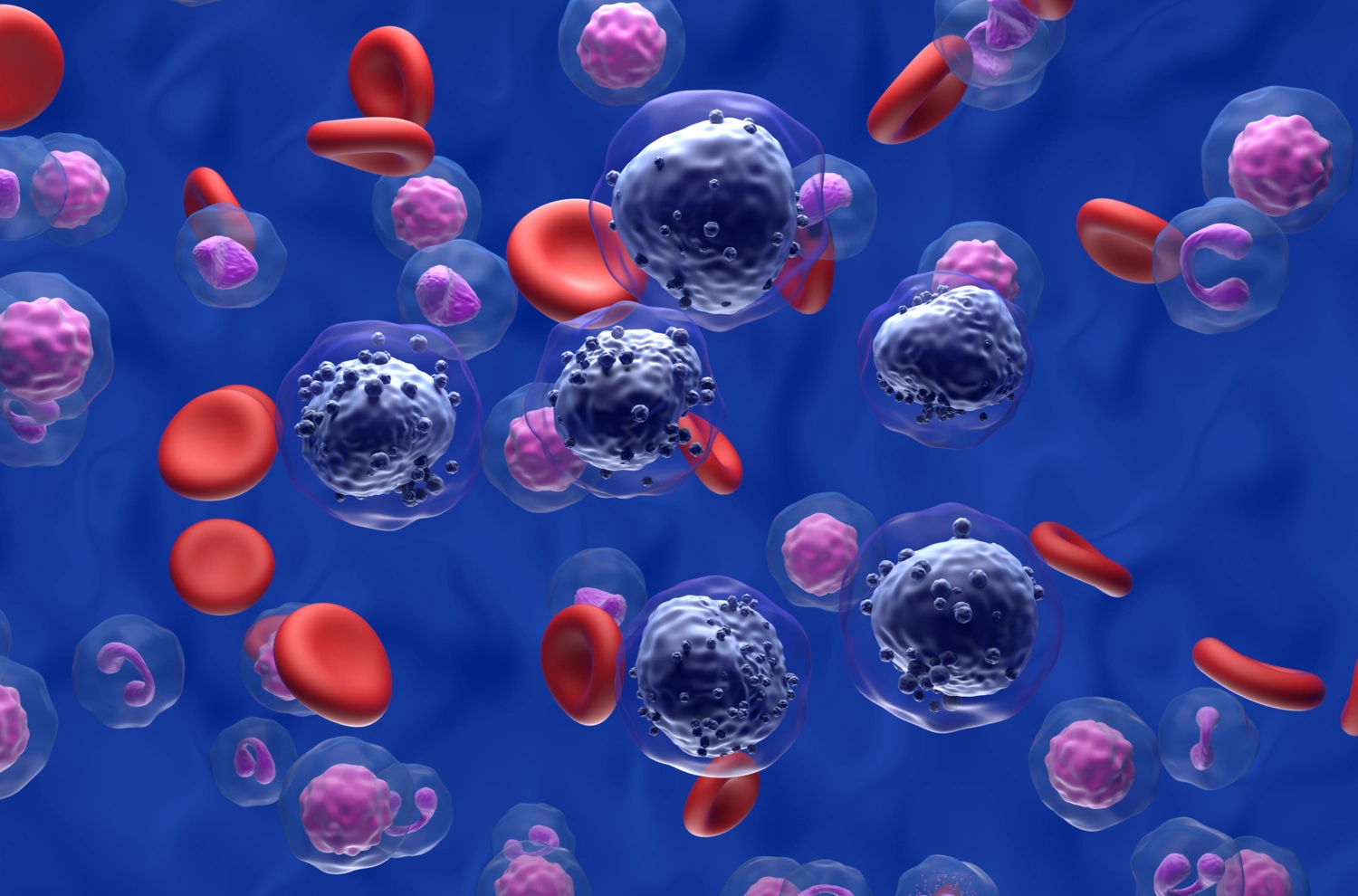
Researchers have identified 16 new subgroups of acute myeloid leukaemia (AML) by mapping the epigenetic landscape of the disease, according to a study published 8 July 2026 in the journal Nature. This discovery offers a more granular understanding of why patients with the same genetic diagnosis experience varying disease courses and respond differently to treatment.
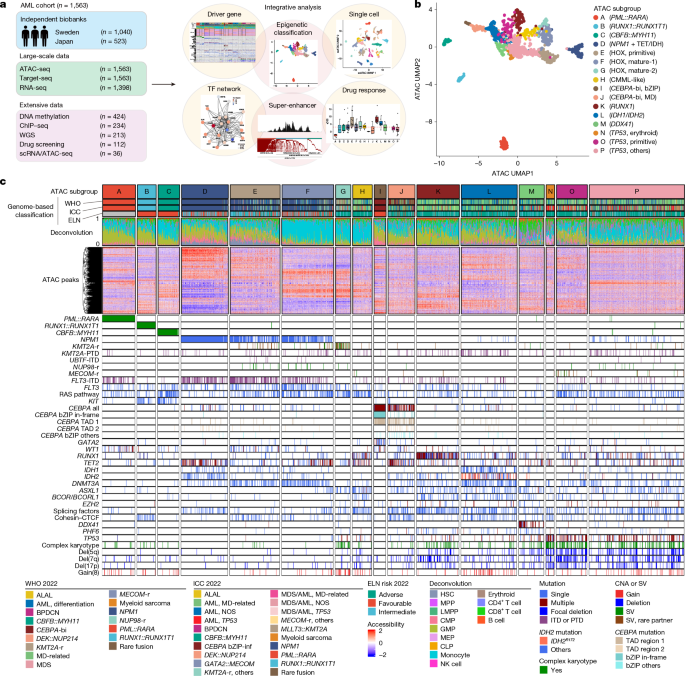
The research, conducted by teams at the Karolinska Institutet in Sweden and Kyoto University in Japan, analyzed a cohort of 1,563 patients. By moving beyond traditional DNA sequence-based classification, the study highlights how the regulation of genes — which occurs without altering the underlying DNA code — serves as a primary driver of the malignancy.
Related media

Beyond the Genetic Code
While current classification systems like the European LeukemiaNet (ELN) rely on cytogenetic abnormalities and recurrent mutations such as NPM1 or FLT3-ITD to stratify risk, these methods often fail to explain the significant outcome heterogeneity observed in clinical practice. The new study suggests that epigenetic dysregulation, including changes in DNA methylation, histone modifications, and chromatin accessibility, operates as an independent layer of complexity in leukemogenesis.
The research team employed ATAC-seq (assay for transposase-accessible chromatin with sequencing) to measure the accessibility of DNA within the cell nucleus. This technique allowed them to determine which regions of the genome are "open" or "closed," effectively identifying the regulatory switches that dictate whether genes are turned on or off. By applying this method to their large patient cohort, the researchers categorized AML into 16 distinct subgroups, each characterized by specific molecular and biological fingerprints.
"Our results show that, based on epigenetic analyses, leukaemia can be divided into new biologically relevant subgroups that provide more information than genetic analyses alone."
Sören Lehmann, professor at the Department of Medicine, Huddinge, Karolinska Institutet, via News.ki.se
Clinical Implications and Treatment Sensitivity
The findings indicate that these 16 epigenetic groups are not merely academic classifications; they correlate with clinical outcomes and treatment responses. In tests involving 250 drugs, the researchers observed that sensitivity to specific therapeutic agents varied significantly depending on the epigenetic subgroup. This suggests that the current standardized approach to chemotherapy may be suboptimal for patients whose leukemic cells harbor specific epigenetic vulnerabilities.
While the researchers emphasize that epigenetic mapping is not intended to replace existing genetic classification systems, they suggest that it acts as a necessary complement to facilitate personalized medicine.
What to Watch Next
The path from discovery to clinical implementation remains a significant hurdle. Researchers have highlighted the following areas of focus for the medical community:
- Validation: Independent, multi-institutional cohorts are required to confirm the prognostic accuracy of these 16 subgroups.
- Refinement: Future work must address the technical challenges of using purified blast populations versus bulk tumor samples, as non-malignant cells can confound epigenetic data.
- Clinical Utility: Development of targeted, cost-effective assays is necessary to transition from research-grade sequencing to routine clinical diagnostics.
- Serial Monitoring: Because the epigenome evolves under the pressure of therapy, studies are needed to determine how these patterns shift at relapse compared to initial diagnosis.
While the study provides a valuable resource for understanding the pathogenesis of AML, additional research into how these epigenetic signatures can be translated into standard treatment protocols remains pending.
How significant is this development?
Contribute your assessment to the aggregated reader intelligence ledger.
Archypedia is dedicated to independent, evidence-backed reporting. This briefing was synthesized from primary source reporting, corroborated across independent newsrooms, and verified against our Editorial Standards.
Transparency record
Evidence behind this report
This report synthesizes 5 distinct sources. Open the source ledger below to compare the underlying coverage.
Prepared under the Archypedia Editorial Policy by the Lina Park editorial desk profile. AI-assisted tools may support drafting and verification; public accountability remains with Archypedia. Report an error.