Ebola outbreak in DR Congo is fastest growing ever with 600 deaths
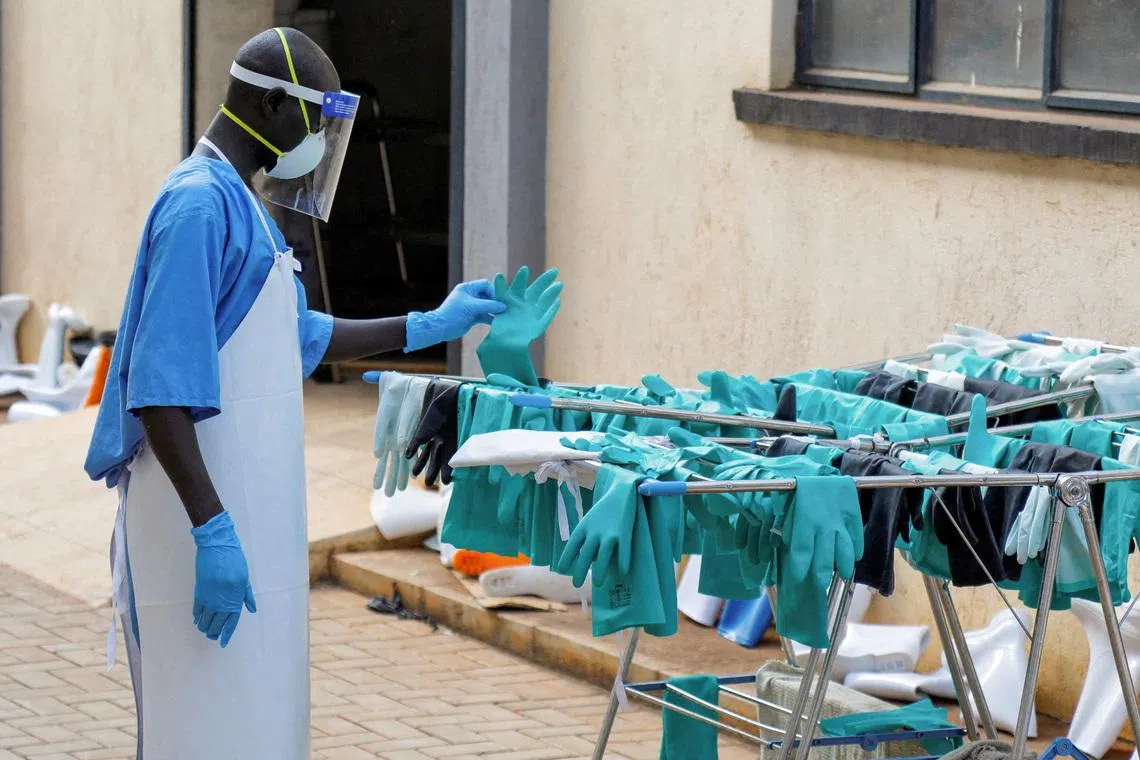
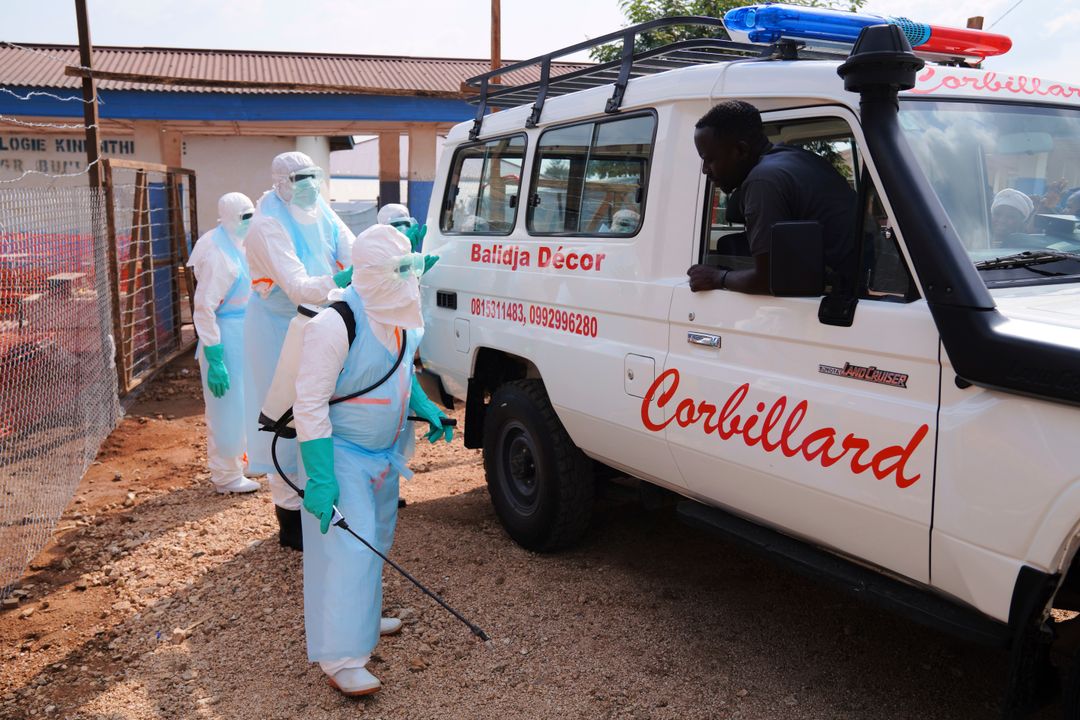
The Ebola outbreak in the Democratic Republic of Congo has been classified as the fastest-growing instance of the virus ever recorded. Officials report the virus is outpacing containment efforts as cases reach 1,759.
The Ebola outbreak currently affecting the Democratic Republic of Congo has been classified as the fastest-growing instance of the virus ever recorded, according to officials at the Africa Centres for Disease Control and Prevention. As of Thursday, 9 July 2026, the cumulative death toll has reached 600, with confirmed cases totaling 1,759 since the outbreak was declared on 15 May 2026.
Wessam Mankoula, head of emergency preparedness and response for the Africa CDC, noted that the virus is currently outpacing response efforts. Data indicates that the number of cases is doubling every 28 days. In a comparison provided to reporters, Mankoula stated that the deadliest previous Ebola outbreak, occurring in West Africa between 2013 and 2016, recorded 994 cases in its first six weeks, whereas the current outbreak has already reached 1,596 cases in the same timeframe.
Related media

The contagion is caused by the Bundibugyo virus, a rare species of Ebola for which there is currently no approved vaccine or treatment. While the virus is known to spread through close contact and infected bodily fluids, experts believe it was circulating undetected for a significant period before the official declaration. This delay in detection has presented profound challenges for containment strategies, particularly as the virus spreads beyond the initial epicenter in the mineral-rich Ituri province.
Geographic Expansion and Security Challenges
Recent reports from the Congolese government indicate that the threat is expanding into previously unaffected areas. Suspected cases have been identified in the provinces of Tshopo and Haut-Uele. Specifically, authorities are investigating two suspected cases in Kisangani, in Tshopo province; one individual reportedly has a link to the Nia-Nia health zone in Ituri, but the other case lacks a clear geographical connection to known outbreak areas.
These developments occur against a backdrop of persistent regional instability. Conflict in South Kivu, involving the Congolese armed forces and the Rwanda-backed M23 armed group, has complicated medical access and civilian safety. Volker Turk, the UN rights chief, has called for an immediate cessation of hostilities, citing concerns that further displacement could accelerate the transmission of the virus across borders.
Anne Ancia, the World Health Organization representative in the DRC, emphasized the strain on the healthcare system. Efforts to control the spread are being hampered by:
- Persistent insecurity in eastern provinces.
- Significant population movements.
- Fragility within the local health infrastructure.
Response Efforts and Resource Demands
Health authorities are currently monitoring more than 10,000 contacts of infected individuals, maintaining a follow-up rate of 82 percent. The WHO maintains that a 95 percent follow-up rate is necessary to effectively suppress the outbreak. While there are approximately 700 beds available across 22 treatment centers, these facilities are operating at 90 percent capacity. Officials are working to add 300 additional beds to the system.
To bolster diagnostic capabilities, laboratory capacity has been significantly decentralized, expanding from 30 tests per day in Kinshasa to more than 2,000 in decentralised labs in the affected provinces. Additionally, a clinical trial for potential treatments began on 2 July 2026. This trial is evaluating the efficacy of the antiviral drug remdesivir and the monoclonal antibody MBP134, both independently and in combination.
Despite these measures, the financial requirement to manage both the disease and the resulting humanitarian crisis is substantial. According to the Africa CDC, $US1.4 billion is required. Mankoula issued a direct appeal to international partners and donors, urging them to accelerate the disbursement of funds to prevent further loss of life.
"Unfortunately the virus is still ahead of our response. It’s moving faster than deploying the resources to control the situation."
Wessam Mankoula, head of emergency preparedness and response for the Africa CDC, via SCMP
As of 9 July 2026, 285 patients have recovered from the virus, while 304 suspected cases remain under investigation. The current case fatality rate stands at 34 percent.
How significant is this development?
Contribute your assessment to the aggregated reader intelligence ledger.
Archypedia is dedicated to independent, evidence-backed reporting. This briefing was synthesized from primary source reporting, corroborated across independent newsrooms, and verified against our Editorial Standards.
Transparency record
Evidence behind this report
This report synthesizes 4 distinct sources. Open the source ledger below to compare the underlying coverage.
Prepared under the Archypedia Editorial Policy by the Lina Park editorial desk profile. AI-assisted tools may support drafting and verification; public accountability remains with Archypedia. Report an error.