IMF cuts global growth forecast to 3 percent as Iran war spikes oil costs
The International Monetary Fund has lowered its 2026 global growth projection to 3% due to energy shocks following the closure of the Strait of Hormuz. The agency anticipates a rebound to 3.4% growth next year.

The International Monetary Fund on Wednesday, 8 July 2026, issued a downward revision for global economic growth, citing the intensifying energy shock triggered by the ongoing conflict with Iran. The organization now expects the global economy to expand by 3% in 2026, marking a decrease from the 3.5% growth recorded in 2025 and trailing the 3.1% projection issued by the fund in April. The fund expects worldwide growth to rebound to 3.4% next year.
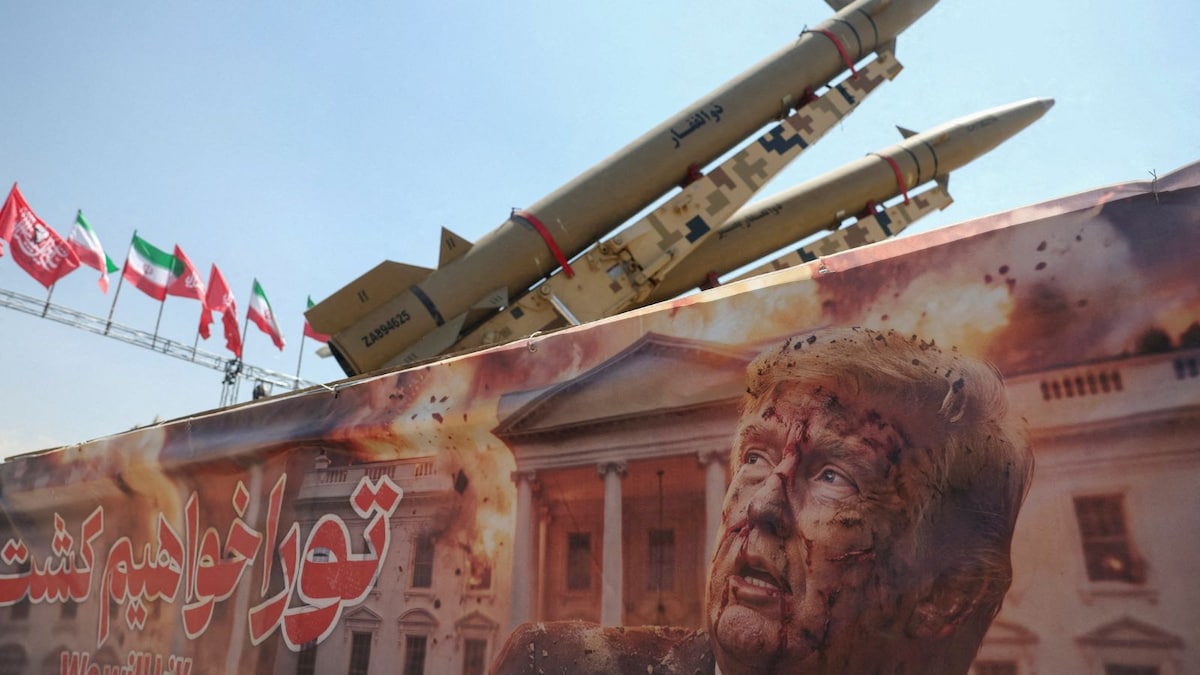
The economic instability stems from a significant disruption in global energy transit. Following attacks on 28 February 2026, Iran moved to close the Strait of Hormuz, a critical maritime passage that facilitates the movement of one-fifth of the world’s crude oil and natural gas supplies. While the International Monetary Fund noted that the global economy had initially weathered the conflict better than some analysts feared—aided by the utilization of existing oil stockpiles and increased production from non-Persian Gulf exporters—the outlook remains heavily clouded by persistent hostilities.
"The world economy has weathered the shock from the war better than feared."
Petya Koeva Brooks, deputy director of the IMF’s research department, via LATimes
The reliability of the fund’s growth projections faces immediate challenges from the rapidly changing military situation. The forecast currently assumes the Strait of Hormuz will reopen later in July and that commerce will return to normal by next March. However, President Donald Trump declared during a summit in Turkey on 8 July 2026 that the ceasefire with Iran is over. When asked about the status of the agreement, the president stated, I think it's over.
These developments cast doubt on the fund's underlying assumptions, particularly as the July forecast is anchored in data that predates the most recent uptick in hostilities between the United States and Iran.
Regional Economic Projections
The impact of higher energy costs is not distributed evenly, creating a divide between energy-exporting nations and those heavily reliant on imports. The United States, functioning as a net energy exporter, is projected to see GDP growth of 2.3% this year. This represents a marginal increase from the 2.1% growth recorded in 2025 and is unchanged from the fund's April forecast. American performance is bolstered by favorable fiscal policies, including tax cuts, robust corporate profits, and continued investment in artificial intelligence. Conversely, the 21 countries within the Eurozone face significant pressure. Heavily exposed to energy price swings, the region’s growth is forecast to reach only 0.9%, down from 1.4% in 2025. Governments there face the dual burden of rising inflation and the necessity of increased spending on defense, debt servicing, and household support.
In Asia, China faces its own set of challenges, including a property market collapse, though the International Monetary Fund projects 4.6% growth as public works spending, booming exports, and high-tech manufacturing provide a buffer. India retains its position as the fastest-growing major economy, albeit with a moderated pace of 6.4%, down from 7.7% in the previous year, supported by strong domestic consumer spending. Within the G7, Britain stands out with an improved outlook, as its projected growth rose to 1%, a 0.2% increase over April estimates, even as other G7 members face cooling economies.
Inflation and Market Indicators
The energy crisis has effectively halted two years of progress in cooling global inflation. The International Monetary Fund anticipates that global consumer prices will rise 4.7% in 2026, an increase from the 4.1% seen in 2025. Furthermore, oil prices are expected to average 32% higher this year compared to the previous annual period. Productivity gains associated with the artificial intelligence investment boom are expected to partially offset the negative impacts of the conflict, serving as one of the few bright spots in an otherwise stagnant forecast.
The International Monetary Fund, an institution with 191 member countries, continues to monitor these developments as nations navigate the aftermath of the COVID-19 pandemic and the lingering economic effects of the Russian invasion of Ukraine.
How significant is this development?
Contribute your assessment to the aggregated reader intelligence ledger.
Archypedia is dedicated to independent, evidence-backed reporting. This briefing was synthesized from primary source reporting, corroborated across independent newsrooms, and verified against our Editorial Standards.
Transparency record
Evidence behind this report
This report synthesizes 4 distinct sources. Open the source ledger below to compare the underlying coverage.
Prepared under the Archypedia Editorial Policy by the Elena Voss editorial desk profile. AI-assisted tools may support drafting and verification; public accountability remains with Archypedia. Report an error.