Baltic Sea Nations Urged to Strengthen Defense Collaboration: MEP Stakis Advocates for Regional Unity
In a recent address, MEP Stakis highlighted the urgent need for Baltic Sea region countries to enhance their coordination in defense procurement, emphasizing the strategic and security benefits of closer regional cooperation. The call comes amid evolving geopolitical dynamics and the ongoing role of NATO in shaping collective defense strategies across Europe.
The Case for Regional Defense Integration
The Baltic Sea region, encompassing nations such as Sweden, Finland, Estonia, Latvia, Lithuania, Poland, and Germany, has long been a focal point for security discussions. With increasing concerns over regional stability and the need for efficient resource allocation, MEP Stakis argued that a unified approach to defense procurement could yield significant advantages.
By pooling resources and standardizing procurement processes, Baltic Sea nations could reduce redundant spending, streamline logistics, and enhance interoperability among their military forces. This approach, Stakis noted, would not only optimize budgets but also strengthen the region’s collective defense capabilities against potential threats.
Strategic Benefits of Collaboration
- Cost Efficiency: Shared procurement initiatives could lower costs through bulk purchasing and reduced administrative overhead.
- Interoperability: Standardized equipment and protocols would improve the ability of forces from different countries to operate together seamlessly.
- Resource Optimization: Joint investments in technology and infrastructure could prevent duplication of efforts and ensure more effective use of available funds.
NATO’s Role in Regional Security
The North Atlantic Treaty Organization (NATO) has historically played a critical role in maintaining security across its member states, including those in the Baltic Sea region. With the alliance’s focus on collective defense and deterrence, the recent emphasis on regional cooperation aligns with broader NATO objectives.
As the NATO Secretary General has underscored, resilience is a shared responsibility. The alliance’s recent discussions on enhancing regional preparedness highlight the importance of not only national efforts but also collaborative initiatives among neighboring countries. This includes strengthening defense industrial bases and ensuring that member states can rapidly respond to emerging threats.
Challenges and Considerations
While the benefits of closer defense collaboration are evident, several challenges must be addressed. These include varying national defense priorities, differing levels of military modernization, and the need for legal and regulatory harmonization. Ensuring that such cooperation does not undermine individual national sovereignty remains a key concern.
Stakis acknowledged these complexities, stating that successful integration would require careful negotiation and a commitment to mutual trust. “Regional cooperation should not be seen as a replacement for national responsibilities but as a complementary strategy to enhance overall security,” he said.
Regional Dynamics and Geopolitical Context
The Baltic Sea region has experienced heightened security attention in recent years, driven by developments in Eastern Europe and the broader European security landscape. The presence of NATO forces in the region, including the deployment of multinational battlegroups, underscores the importance of maintaining a coordinated and robust defense posture.
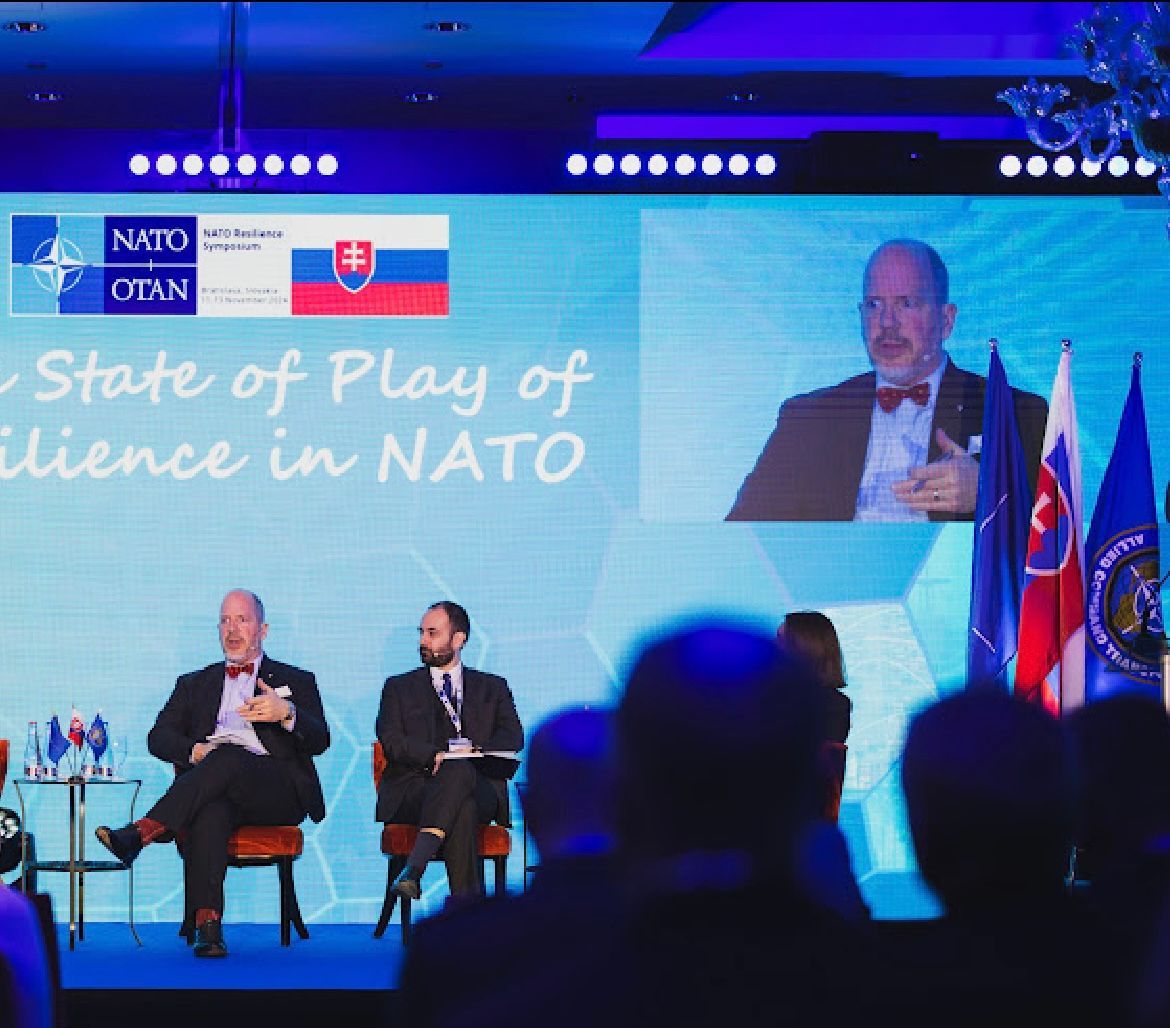
Finland and Sweden’s accession to NATO has further reshaped the regional security framework, creating new opportunities for collaboration. The integration of these nations into the alliance has prompted discussions on how to leverage their capabilities and resources within a broader European context.
Looking Ahead: Pathways for Cooperation
To move forward, experts suggest that Baltic Sea nations could establish a regional defense coordination body. Such an entity could facilitate information sharing, joint training exercises, and collaborative procurement projects. This would require political will and sustained dialogue among the involved countries.
fostering partnerships with NATO and other international organizations could provide the necessary frameworks and support for these initiatives. The recent NATO summit discussions on resilience and defense modernization offer a platform to advance these goals.
