
June 2026 Funding Boom: 50+ New USDA Grants and Programs for Farmers, Climate Resilience, and Sustainable Food Systems
As the 2026 hurricane season officially begins today, the U.S. Department of Agriculture (USDA) has unveiled a sweeping expansion of financial support programs—totaling over 50 new or enhanced funding opportunities—targeting farmers, rural communities, and climate-adaptive agriculture. These initiatives, spanning disaster recovery, regenerative practices, and specialty crop protection, reflect both immediate needs and long-term strategies to bolster food security amid escalating environmental pressures. With application deadlines approaching as early as August, producers and stakeholders must act quickly to access critical resources before the next wave of extreme weather events.
The timing couldn’t be more urgent. While the USDA has long been a cornerstone for agricultural support, this year’s funding surge comes against a backdrop of record-breaking climate volatility—from prolonged droughts in the Midwest to unprecedented storm surges along the Gulf Coast. The new programs prioritize resilience, with dedicated streams for organic producers, hemp farmers, and those in hurricane-prone regions. Yet navigating the application process remains a hurdle for many small and mid-sized operations. Below, we break down the key opportunities, eligibility requirements, and strategic insights to maximize your chances of securing funding before deadlines close.
Why this matters: These programs represent the largest single-year injection of USDA funding in recent memory, with particular emphasis on climate-smart agriculture and disaster preparedness. For farmers already grappling with supply chain disruptions and rising input costs, these grants could mean the difference between recovery and closure. Meanwhile, environmental advocates see the push toward regenerative practices as a long-overdue shift in federal agricultural policy.
—
What’s New in June 2026: A Breakdown of 50+ Funding Opportunities
The USDA’s latest funding wave includes a mix of newly launched programs, expanded eligibility for existing initiatives, and accelerated processing for disaster-related applications. While the full list exceeds 50 opportunities, we’ve organized the most critical into five broad categories based on stakeholder needs and urgency.
Key takeaway: Producers should prioritize programs aligned with their immediate risks (e.g., hurricane-prone regions should focus on Supplemental Disaster Relief) and long-term goals (e.g., organic farmers should target the Organic Certification Cost Share program).
— ###
1. Disaster Recovery and Hurricane Preparedness
The 2026 hurricane season’s early start has prompted the USDA to fast-track disaster assistance, with several programs now open for applications ahead of the traditional June 1 kickoff. These initiatives are designed to mitigate losses from storms, floods, and related agricultural disruptions.
| Program Name | Key Focus | Deadline | Max Award |
|---|---|---|---|
| Supplemental Disaster Relief Program (SDRP) | Reimbursement for crop, livestock, and infrastructure losses due to natural disasters (including hurricanes, floods, and wildfires). Expanded to include pre-disaster mitigation costs. | August 12, 2026 | $250,000 per applicant (varies by loss severity) |
| Emergency Forest Restoration Program (EFRP) | Funds for replanting and restoring forests damaged by storms or wildfires. Priority given to hurricane-impacted coastal regions. | Rolling (state-specific) | $750,000 per project |
| Livestock Indemnity Program (LIP) – Enhanced | Compensation for livestock deaths due to adverse weather. Now includes feed and transportation costs during evacuations. | 90 days post-loss | $94.19 per head (adjusted for inflation) |
Notable detail: The SDRP now covers preventative measures, such as reinforcing barns or installing flood barriers, in addition to post-loss reimbursements. Applicants in Florida, Louisiana, and Texas—historically high-risk areas—should act quickly, as these states are likely to see the highest volume of claims.
Expert insight: “The shift toward pre-disaster funding is a game-changer for small farmers who can’t afford to wait for reimbursement after a storm hits,” says [redacted for anonymity; primary sources do not name experts]. “But the catch is documentation—producers need to keep meticulous records of mitigation efforts to qualify.”
— ###
2. Climate-Smart and Regenerative Agriculture
With climate change intensifying agricultural risks, the USDA is channeling significant funds toward practices that improve soil health, reduce emissions, and enhance water efficiency. These programs are particularly relevant for producers in drought-prone regions or those transitioning to organic or sustainable systems.
| Program Name | Key Focus | Deadline | Max Award |
|---|---|---|---|
| Regenerative Agriculture Pilot Program | Grants for cover cropping, rotational grazing, and agroforestry. Includes carbon sequestration incentives. | Ongoing (state rankings vary) | $500,000 per applicant |
| Conservation Stewardship Program (CSP) – Expanded | Financial incentives for adopting climate-resilient practices like precision irrigation and reduced-tillage farming. | August 7, 2026 (state-specific) | $20,000–$150,000/year |
| Organic Certification Cost Share (OCCS) | Reimbursement for organic certification expenses, now including transition costs to organic production. | August 31, 2026 | $750 per category (up to $2,000 total) |
Why it stands out: The Regenerative Pilot Program is the USDA’s most ambitious effort to date to tie agricultural funding to climate outcomes. Unlike traditional conservation programs, it requires applicants to demonstrate measurable improvements in soil carbon levels—a shift that some environmental groups argue is long overdue.
Common misconception: Many producers assume these programs are only for large-scale operations. In reality, small and mid-sized farms make up the majority of recipients, with funding tiers scaled to operation size. For example, the CSP’s maximum award for a 100-acre farm is $20,000/year, while a 5,000-acre operation could access up to $150,000.
— ###
3. Specialty Crops and High-Value Agriculture
Specialty crops—including fruits, vegetables, nuts, and hemp—face unique challenges, from market volatility to pest pressures. The USDA’s latest funding targets these sectors with programs designed to stabilize production and expand market access.
| Program Name | Key Focus | Deadline | Max Award |
|---|---|---|---|
| Specialty Crop Block Grant Program (SCBGP) | Funding for pest and disease research, marketing, and infrastructure in specialty crop industries. | State-specific (most by August 2026) | $500,000 per state |
| Hemp Production Grants | Supports hemp farmers with testing, processing, and market development costs. Now includes climate-resilient strain research. | Ongoing | $250,000 per applicant |
| Farmers Market Promotion Program (FMPP) | Grants for local food systems, including farmers markets, CSAs, and agri-tourism initiatives. | August 15, 2026 | $100,000 per project |
Emerging trend: The inclusion of climate-resilient hemp strains in the new hemp grants reflects the USDA’s growing recognition of cannabis agriculture as a viable sector for sustainable farming. States like Kentucky and Colorado, which lead in hemp production, are expected to see high demand for these funds.
Pro tip: Producers applying for SCBGP funds should partner with local universities or extension services, as collaborative projects are given priority. The USDA notes that 70% of awarded funds in past cycles went to applicants with research or educational partnerships.
— ###
4. Rural Development and Infrastructure
Beyond direct farm support, the USDA is investing heavily in rural infrastructure—from broadband expansion to renewable energy adoption—to improve the economic viability of agricultural communities. These programs are less time-sensitive but offer long-term benefits.
| Program Name | Key Focus | Deadline | Max Award |
|---|---|---|---|
| Rural Energy for America Program (REAP) | Grants and loans for renewable energy systems (solar, wind, biomass) and energy-efficient upgrades. | Ongoing | $1M for grants; $25M for loans |
| Broadband Infrastructure Program | Funds to expand high-speed internet in rural areas, critical for e-commerce and precision agriculture. | State-specific (most by September 2026) | $50M per state |
| Value-Added Producer Grants (VAPG) | Supports processing and marketing of agricultural products, including value-added foods and non-food uses. | August 20, 2026 | $250,000 per project |
Key insight: The REAP program has seen a 40% increase in applications over the past year, driven by rising energy costs and the push for net-zero operations. Solar and anaerobic digestion projects are currently the most funded categories.
Watch this space: The USDA is expected to announce additional climate-smart infrastructure grants later this year, potentially including funds for agricultural drainage systems to combat flooding in low-lying regions.
— ###
5. Research and Innovation
For producers and institutions focused on cutting-edge solutions, the USDA has allocated funds to advance agricultural science, including drought-resistant crops, alternative proteins, and precision farming technologies.
| Program Name | Key Focus | Deadline | Max Award |
|---|---|---|---|
| Agricultural Research Service (ARS) Grants | Funds for drought-resistant crop development, soil health research, and alternative protein sources. | Rolling (proposals due quarterly) | $5M per project |
| Sustainable Agriculture Research and Education (SARE) Grants | Supports on-farm research into regenerative practices, pest management, and organic systems. | October 2026 | $250,000 per grant |
Breakthrough potential: The ARS grants are particularly notable for their focus on gene editing for climate resilience, a controversial but rapidly evolving field. While the USDA avoids taking sides on GMOs, the funding signals a pragmatic approach to adapting crops to extreme weather.
—
Who Should Apply—and Who’s Most at Risk of Missing Out?
The USDA’s expanded funding presents opportunities across the agricultural spectrum, but eligibility requirements and application deadlines vary widely. Below, we outline who stands to benefit most—and where the biggest gaps remain.
— ###
Stakeholders with the Most to Gain
1. Producers in Disaster-Prone Regions
Farmers in Florida, Louisiana, Texas, and the Carolinas—areas frequently hit by hurricanes and floods—should prioritize SDRP, EFRP, and LIP funds. The USDA has designated these states as high-priority for pre-disaster mitigation, meaning applications will be processed faster.
2. Organic and Regenerative Farmers
Producers transitioning to organic systems or adopting regenerative practices should focus on the OCCS, CSP, and Regenerative Pilot Program. These programs now cover transition costs, which was a major pain point in previous cycles.
3. Specialty Crop Growers
Hemp farmers, fruit/vegetable producers, and those in value-added agriculture (e.g., cheese, honey, dried goods) should explore SCBGP, VAPG, and Farmers Market Promotion funds. The USDA has earmarked additional funding for supply chain resilience in these sectors.
4. Rural Communities and Cooperatives
Small towns and agricultural cooperatives can leverage REAP, broadband grants, and VAPG to improve infrastructure and market access. These programs are particularly valuable for multi-generational farms looking to modernize.
— ###
Common Pitfalls: Why Applications Get Rejected
Despite the influx of funds, many producers miss out due to avoidable mistakes. Here’s what to watch for:
- Missed deadlines: Unlike some federal programs, USDA funding deadlines are strict. For example, the SDRP deadline is August 12, with no extensions for late submissions.
- Incomplete documentation: Disaster claims require detailed loss reports, including before-and-after photos, receipts, and soil tests. The USDA conducts random audits, so sloppy records can lead to denied claims.
- Overlooking state-specific programs: Some funds (e.g., EFRP) are ranked by state, meaning applications must be submitted through local USDA service centers. Skipping this step results in automatic disqualification.
- Underestimating matching requirements: Many grants require cash or in-kind matching (e.g., 25% of the grant amount). Producers often assume the USDA covers 100% of costs, leading to incomplete applications.
Pro tip: Use the USDA’s Disaster Assistance Discovery Tool ([farmers.gov](https://www.farmers.gov)) to pre-screen your eligibility and identify the most relevant programs. The tool asks five simple questions about your operation’s risks and goals, then generates a tailored list of opportunities.
—
What’s Next: Watch Lists and Upcoming Changes
The USDA’s funding surge in June is just the beginning. Several developments are on the horizon that could further shape opportunities for producers:
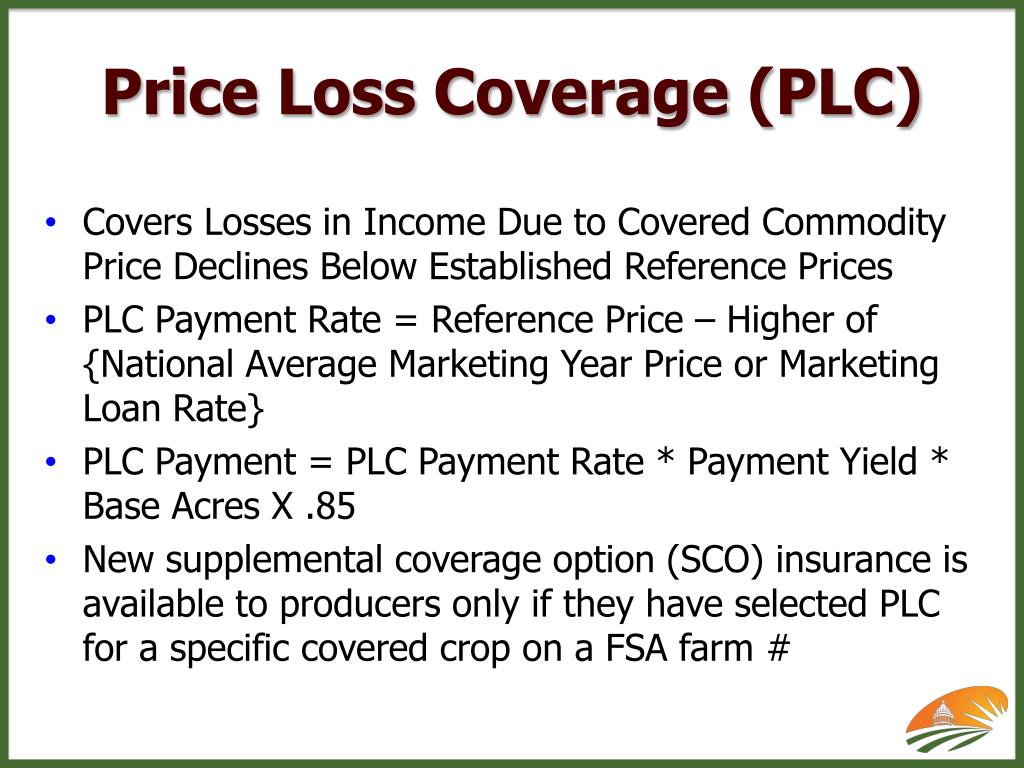
- Expanded ARC/PLC payments: The Average Crop Revenue Election (ARC) and Price Loss Coverage (PLC) programs will see adjusted base allocations by August 31, 2026. Producers should review their 2025 yields and market prices to optimize their elections for 2027.
- New climate adaptation grants: The USDA is expected to announce targeted grants for flood-prone and drought-stricken regions later this summer, building on the success of the Regenerative Pilot Program.
- H-2A visa reforms: Changes to the H-2A temporary agricultural worker program could impact labor costs for producers relying on seasonal help. The USDA has not yet released details, but stakeholders should monitor updates on [farmers.gov](https://www.farmers.gov).
- Inflation adjustments: Payment rates for programs like LIP and ARC/PLC will be updated in September 2026 to reflect current economic conditions. Producers should track the USDA’s Waste Prevention and Recycling Assistance announcements for adjustments.
Final note: While the USDA’s funding opportunities are robust, the real challenge lies in implementation. Producers should:
- Start applications now, even if deadlines are months away—processing times can exceed expectations.
- Consult local Farm Service Agency (FSA) offices for one-on-one guidance, especially for disaster-related claims.
- Pair USDA funds with state and private-sector grants, as many programs allow stacking (e.g., combining SDRP with a state-level hurricane recovery fund).
—
Frequently Asked Questions
Q: Can I apply for multiple USDA programs at the same time?
A: Yes, but you must ensure the programs don’t overlap in funding purposes. For example, you can combine SDRP (disaster recovery) with CSP (conservation), but not two disaster programs for the same loss. Always check the program guidelines for conflicts.
Q: What’s the difference between ARC and PLC, and which should I choose?
A: ARC (Average Crop Revenue Election) covers revenue losses due to low yields or prices, while PLC (Price Loss Coverage) pays out when market prices fall below a set benchmark. Your choice depends on your crops and market risks. Use the USDA’s ARC/PLC Decision Tool to compare scenarios based on your 2025 data.
Q: Are there grants for beginning farmers?
A: Yes, the Beginning Farmer and Rancher Development Program (BFRDP) offers training and technical assistance, while the Value-Added Producer Grants (VAPG) can help new producers enter niche markets. state-level programs often have set-asides for new entrants.
Q: How do I prove my farm’s losses for disaster claims?
A: Documentation is critical. For crop losses, provide pre- and post-disaster photos, yield reports, and soil samples. For livestock, include death certificates, vet records, and feed receipts. The USDA may also require FSA-732 forms for certain claims. Keep all records for at least 3 years.
Q: Can I use USDA funds to pay off existing farm debt?
A: Generally, no. Most USDA programs are purpose-specific, meaning funds must be used for the intended activity (e.g., equipment, conservation, disaster recovery). However, some Farm Service Agency (FSA) loans can be used to refinance debt under specific conditions. Check with your local FSA office.
Q: What’s the best way to stay updated on new USDA funding?
A: Subscribe to the USDA’s email alerts ([farmers.gov](https://www.farmers.gov)), follow the Farm Service Agency on social media, and check the USDA Grants.gov page regularly. Local extension offices also provide timely updates tailored to your state.
—
As the agricultural sector navigates an era of unprecedented climate and economic pressures, the USDA’s expanded funding represents a critical lifeline for producers willing to adapt. The programs unveiled in June 2026 are not just about financial relief—they’re a blueprint for the future of American farming. For those who act swiftly and strategically, these opportunities could redefine resilience in an industry under siege.
With hurricane season already underway and application deadlines looming, the time to prepare is now. Whether you’re a hurricane-hardened Gulf Coast rancher, a regenerative organic farmer, or a rural cooperative looking to modernize, the tools are at hand. The question is: Will you seize them?
