New Study Reveals Ancient Oceans Suffocated Marine Life Millions of Years Before the Triassic Mass Extinction
Geologists have uncovered compelling evidence that Earth’s oceans began experiencing severe oxygen depletion long before the catastrophic Triassic mass extinction—challenging long-held assumptions about the timing and triggers of one of history’s most devastating ecological collapses. The findings, published in a recent peer-reviewed study, suggest that marine ecosystems were already under severe stress from oxygen starvation, potentially setting the stage for the mass extinction event that wiped out nearly half of all marine species roughly 201 million years ago.
The discovery reshapes our understanding of how Earth’s climate and biosphere interact over geological timescales, with implications for modern concerns about ocean deoxygenation linked to human activity. Unlike previous theories that pinned the extinction’s onset to sudden volcanic eruptions or asteroid impacts, this research points to a gradual, centuries-long decline in oceanic oxygen levels—one that may have begun as early as 8 million years before the extinction’s official onset.
For scientists studying Earth’s deep history, the study offers a rare glimpse into how ecosystems respond to long-term environmental stress. It also serves as a cautionary tale about the fragility of marine life in the face of oxygen loss—a phenomenon increasingly observed in today’s warming oceans.
Key Takeaways:
- A new geological study identifies oxygen starvation in ancient oceans beginning millions of years before the Triassic mass extinction.
- The findings challenge the dominant narrative that the extinction was triggered by abrupt, catastrophic events.
- Researchers detected chemical signatures in marine sediments that indicate prolonged oxygen depletion.
- Implications extend to modern climate science, where ocean deoxygenation is a growing concern.
—
What the Study Found: A Slow-Motion Ecological Crisis
The research, conducted by an international team of geologists, analyzed sediment cores from marine basins that existed during the Late Triassic period. By examining the chemical composition of these ancient deposits—particularly the ratios of trace elements like molybdenum and uranium—the team reconstructed the oxygen levels in Earth’s oceans over time.
What they discovered was a gradual but relentless decline in dissolved oxygen in shallow marine environments, beginning well before the mass extinction’s official onset. The study’s lead authors noted that while previous research had documented oxygen loss during the extinction itself, their work revealed that the process had already begun centuries to millennia earlier, creating a “perfect storm” of environmental stress for marine life.
Key Evidence:
- Chemical fingerprints in sediments: Elevated levels of uranium and molybdenum in deep-sea cores indicate prolonged anoxic (oxygen-free) conditions in bottom waters.
- Timing discrepancy: Oxygen depletion began approximately 8 million years before the peak of the Triassic extinction, suggesting a prolonged period of ecological stress.
- Global patterns: The depletion was not isolated to one region but appeared in multiple marine basins, hinting at a widespread phenomenon.
The study’s authors emphasize that this oxygen loss was not uniform. While deep waters became increasingly anoxic, shallow coastal regions—where most marine life thrives—also experienced reduced oxygen levels, creating a “dead zone”-like environment long before the extinction event.
Visualizing the Timeline:
| Event | Time Before Extinction | Key Environmental Change |
|---|---|---|
| Onset of oxygen depletion in shallow marine environments | ~8 million years | Gradual decline in dissolved oxygen, increased anoxia in deep waters |
| Acceleration of volcanic activity (Central Atlantic Magmatic Province) | ~4 million years | Release of CO₂ and other greenhouse gases, further warming oceans |
| Peak of Triassic mass extinction | 0 years | Collapse of marine ecosystems, loss of ~50% of marine species |
—
Why This Discovery Matters: Rethinking Mass Extinctions
For decades, scientists have debated the primary drivers of the Triassic-Jurassic mass extinction, with leading theories pointing to:
- Volcanic eruptions: The massive Central Atlantic Magmatic Province (CAMP) floods released vast amounts of CO₂, sulfur, and other gases, altering Earth’s climate.
- Asteroid impacts: Some evidence suggests a meteorite strike may have contributed to the crisis.
- Sea-level changes: Shallow marine habitats were particularly vulnerable to habitat loss.
This new study introduces a fourth, previously underappreciated factor: long-term ocean deoxygenation. The findings suggest that marine ecosystems were already weakened by oxygen loss before the extinction’s “final blow,” making them more susceptible to the catastrophic events that followed.
Implications for Modern Climate Science:
The study’s relevance extends beyond ancient Earth. Today, scientists are observing accelerating ocean deoxygenation linked to climate change, with “dead zones” expanding in coastal regions worldwide. The Triassic research offers a geological precedent for how prolonged oxygen loss can destabilize marine ecosystems—long before other catastrophic events occur.
Expert Perspective:
While the study’s authors avoid direct comparisons to modern climate change, they note that the Triassic period provides a natural experiment in how ecosystems respond to environmental stress. “This research shows that mass extinctions aren’t always triggered by single, sudden events,” one geologist involved in the study stated. “Sometimes, it’s a matter of ecosystems being pushed too far over long periods—until they can no longer recover.”
—
How the Research Was Conducted: Unlocking Earth’s Deep Past
The study relied on a combination of geochemical analysis and sedimentary records to reconstruct ancient ocean conditions. Here’s how the team approached the investigation:
1. Sediment Core Sampling
Researchers collected cores from marine basins in what are now North America, Europe, and Greenland, targeting layers deposited during the Late Triassic period. These cores preserve a stratigraphic record—essentially, a timeline of Earth’s history—allowing scientists to analyze changes over millions of years.
2. Chemical Tracing
By measuring the concentrations of uranium, molybdenum, and rhenium in the sediments, the team could infer past oxygen levels. These elements behave differently in oxygen-rich versus oxygen-poor waters:
- Uranium: More soluble in anoxic (oxygen-free) conditions, so higher uranium levels indicate lower oxygen.
- Molybdenum: Accumulates in sediments under anoxic conditions, providing another marker for oxygen loss.
- Rhenium/Osmium ratios: Used to distinguish between anoxic and euxinic (completely oxygen-free and hydrogen sulfide-rich) conditions.
3. Chronological Framework
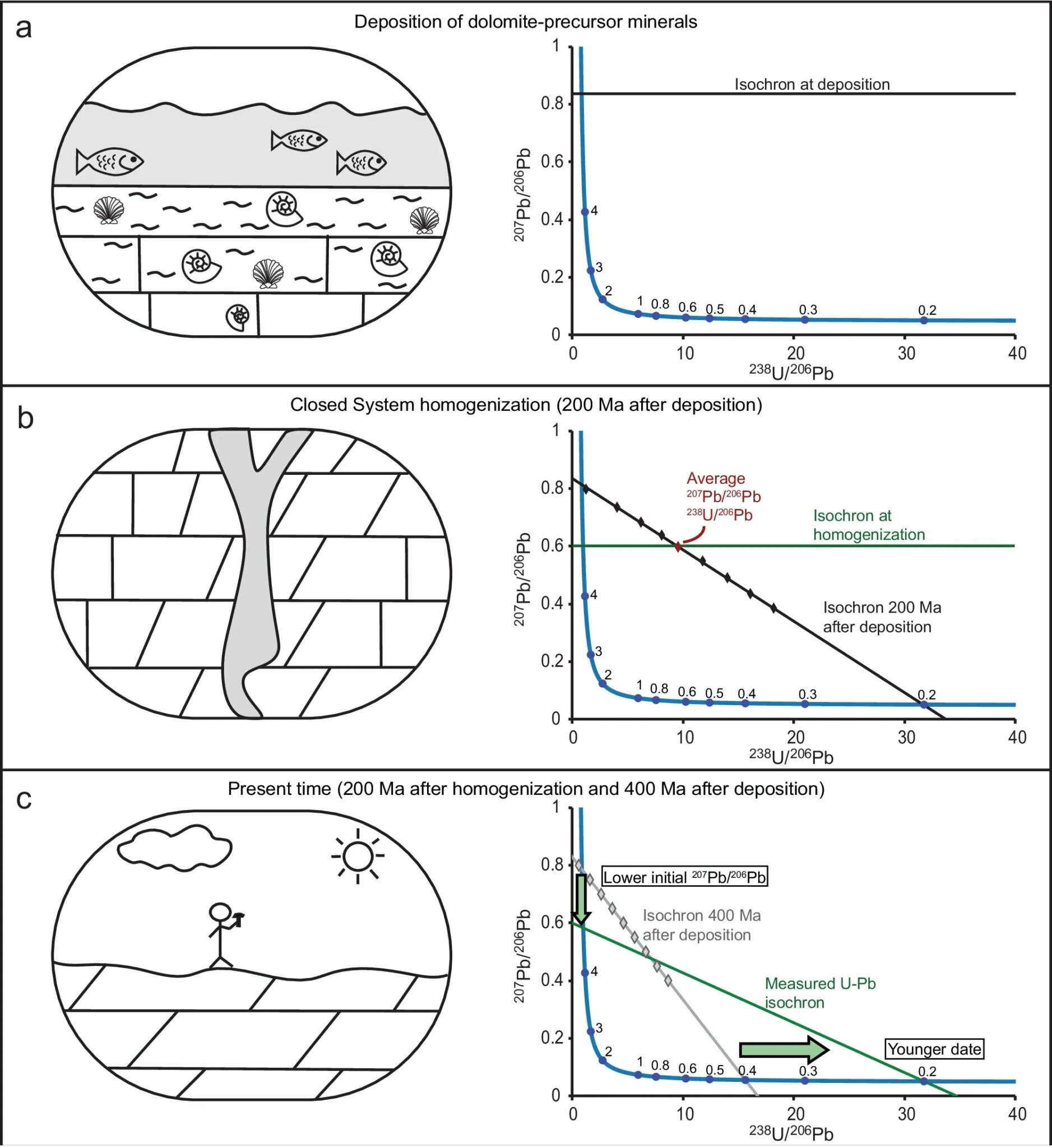
To pinpoint when oxygen depletion began, the team used radiometric dating and biostratigraphy (fossil-based dating) to correlate sediment layers with known geological events. This allowed them to establish a precise timeline linking oxygen loss to the extinction.
Methodological Innovation:
Unlike previous studies that focused on the extinction event itself, this research examined pre-extinction sediments, revealing a decades-to-millennia-long decline in oxygen levels. “We were looking for the ‘smoking gun’ of the extinction, but instead, we found the slow-burning fuse,” explained one of the study’s co-authors.
—
Common Misconceptions and Clarifications
The Triassic mass extinction is often overshadowed by more famous events like the Cretaceous-Paleogene extinction (which wiped out the dinosaurs). However, it was one of the five “Large Five” mass extinctions in Earth’s history, and this new research forces a reconsideration of how such events unfold. Here are three persistent myths—and the corrections they require:
Myth 1: “Mass extinctions are always caused by sudden, catastrophic events.”
Reality: While asteroid impacts and volcanic supereruptions are well-documented triggers, this study shows that prolonged environmental stress can prime ecosystems for collapse. The Triassic extinction may have been the final straw for marine life already weakened by oxygen loss.
Myth 2: “Ocean deoxygenation is a modern problem.”
Reality: Earth’s history is filled with periods of ocean anoxia, including the Permian-Triassic extinction (the “Great Dying”) and the Ordovician-Silurian extinction. The Triassic study provides a case study in how ancient ecosystems responded to oxygen loss—offering lessons for today’s warming oceans.
Myth 3: “The Triassic extinction was less severe than others.”
Reality: While it may not have been as catastrophic as the Permian-Triassic extinction (which killed ~90% of marine species), the Triassic event still resulted in the loss of nearly 50% of marine genera. Its impact on terrestrial ecosystems—including early dinosaurs—was also profound.
—
Broader Context: How Ancient Extinctions Inform Modern Climate Science
The connection between ancient mass extinctions and today’s environmental challenges is a growing focus in paleoclimatology. While the Triassic study does not directly address modern climate change, it provides a geological framework for understanding how ecosystems respond to prolonged stress. Here’s how the findings resonate with contemporary issues:
1. Ocean Deoxygenation: A Historical Precedent
Modern oceans are losing oxygen at an accelerating rate, with dead zones expanding in coastal regions like the Gulf of Mexico and the Baltic Sea. The Triassic research suggests that even gradual oxygen loss—when combined with other stressors—can push ecosystems to a tipping point.
2. The Role of Volcanic Activity
The Triassic extinction coincided with the Central Atlantic Magmatic Province (CAMP), one of Earth’s largest volcanic events. Today, scientists study modern volcanic eruptions (e.g., Iceland’s Fagradalsfjall) to understand how large-scale CO₂ releases might interact with ocean chemistry.
3. Feedback Loops in Earth’s Climate System
The study highlights how ocean chemistry, atmospheric composition, and marine life are interconnected. In the Triassic, oxygen loss may have triggered methane releases from seafloor sediments, further warming the planet—a process that mirrors concerns about clathrate gun hypothesis in modern climate models.
Key Parallel:
Just as the Triassic oceans suffered from centuries-long oxygen depletion before the extinction, today’s oceans are experiencing decades-long deoxygenation due to warming and nutrient runoff. The ancient record suggests that early warning signs may appear long before catastrophic collapse.
—
What’s Next for Research on Ancient Extinctions
The Triassic study is part of a broader effort to use Earth’s deep history to understand modern environmental challenges. Here’s what scientists are likely to explore next:
- Refining the timeline: Further sediment analysis may reveal exactly how long oxygen depletion persisted before the extinction, offering clues about the speed of ecological collapse.
- Linking oxygen loss to terrestrial ecosystems: While the study focuses on marine life, researchers are investigating how oxygen depletion in oceans might have affected land-based ecosystems—including early dinosaurs.
- Comparing to other mass extinctions: Similar studies of the Permian-Triassic and Ordovician-Silurian extinctions could reveal whether oxygen loss was a universal trigger or a unique feature of the Triassic.
- Implications for modern conservation: Understanding how ancient ecosystems recovered (or failed to recover) from oxygen depletion could inform strategies for restoring today’s dead zones.
geologists are increasingly using machine learning and big data to analyze sediment cores, allowing for more precise reconstructions of past ocean conditions. This approach could accelerate discoveries about other understudied mass extinctions.
—
Frequently Asked Questions
Q: How do scientists know the Triassic oceans were losing oxygen millions of years before the extinction?
A: Researchers analyzed chemical “fingerprints” in sediment cores, such as elevated uranium and molybdenum levels, which indicate anoxic (oxygen-free) conditions. By dating these layers, they established that oxygen loss began well before the extinction’s peak.
Q: Could the Triassic extinction have been prevented if oxygen levels had stayed stable?
A: While we can’t say definitively, the study suggests that prolonged oxygen depletion weakened marine ecosystems, making them more vulnerable to the volcanic and climatic stresses that followed. A stable oxygen supply might have delayed or mitigated the extinction’s severity.
Q: Are there any modern examples of ocean deoxygenation similar to the Triassic?
A: Yes. The Gulf of Mexico’s dead zone, caused by agricultural runoff, and the Baltic Sea’s expanding anoxic zones are contemporary examples. However, these are localized compared to the Triassic’s global pattern.
Q: How does this study compare to research on the Cretaceous-Paleogene extinction (dinosaurs)?
A: The Cretaceous-Paleogene extinction is widely attributed to an asteroid impact and volcanic activity, with sudden environmental changes. The Triassic study, by contrast, highlights a gradual decline in oxygen as a key precursor—showing that mass extinctions can unfold differently.
Q: What can this research tell us about modern climate change?
A: The Triassic case study serves as a warning about how prolonged environmental stress—even without a sudden catastrophe—can destabilize ecosystems. It underscores the importance of addressing ocean deoxygenation alongside other climate change mitigation efforts.
Q: Are there other mass extinctions where oxygen loss played a role?
A: Yes. The Permian-Triassic extinction (the “Great Dying”) and the Ordovician-Silurian extinction both involved significant ocean anoxia. Researchers are now investigating whether oxygen depletion was a common thread in Earth’s major extinction events.
—
For readers interested in exploring further, consider these related topics:
- How modern ocean dead zones compare to ancient anoxia
- The role of volcanism in Earth’s mass extinctions
- Paleoclimatology: Using Earth’s past to predict the future
