
South Africa’s SARS Unveils New Trade Rules for Chinese Imports—What Businesses Must Know Now
South African businesses exporting to China now face a critical shift in compliance requirements, as the South African Revenue Service (SARS) has clarified updated rules governing trade under China’s Zero-Tariff Preference Scheme. The changes—announced amid rising Sino-African trade tensions and a push for deeper economic integration—require exporters to re-evaluate documentation, tariff classifications, and supply chain logistics to avoid costly delays or penalties. With China’s appetite for African goods growing, particularly in agriculture, minerals, and manufactured products, the new rules could reshape trade strategies for South African firms at a pivotal moment.
While the Zero-Tariff Scheme has long been a cornerstone of China’s economic engagement with Africa, the latest SARS guidelines introduce stricter verification processes, expanded product eligibility criteria, and tighter alignment with China’s evolving AfCFTA priorities. For businesses already navigating supply chain disruptions and geopolitical uncertainties, these updates demand immediate attention—yet many remain unclear on how to adapt. This guide breaks down the key changes, their implications for different sectors, and actionable steps for compliance.
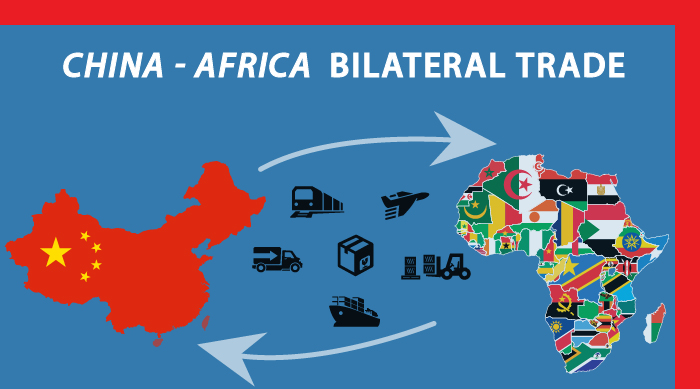
— ### What Changed? SARS’ Latest Clarifications on Trading with China The South African Revenue Service has issued updated directives to ensure South African exporters meet China’s revised trade preferences, which now include: 1. Stricter Documentation Requirements – Exporters must now provide certified origin declarations aligned with China’s Rules of Origin under the African Growth and Opportunity Act (AGOA) and AfCFTA frameworks. Previously, some self-certification was permitted, but SARS now mandates third-party verification for high-value shipments. – Key change: A new SARS Form 207 must accompany all export declarations to China, detailing the percentage of local content in goods. For example, a South African wine exporter must now prove that at least 35% of production costs (including labor, packaging, and bottling) occurred in South Africa to qualify for zero tariffs. 2. Expanded Product Eligibility Under the Zero-Tariff Scheme – China has narrowed the list of eligible products in certain categories, particularly in textiles, steel, and electronics. For instance: – Textiles: Only goods with full regional value content (RVC) of 60% or higher under AfCFTA now qualify for tariff exemptions. Previously, 50% was sufficient. – Agricultural exports (e.g., apples, pears, citrus): While still favored, exporters must now comply with China’s phytosanitary certification standards, which include stricter pesticide residue limits. SARS has listed approved testing labs in South Africa to avoid rejections at Chinese ports. – New opportunity: China’s demand for high-value processed foods (e.g., ready-to-eat meals, organic produce) has surged, but exporters must now navigate dual certification—both from SARS and Chinese customs. 3. Tariff Classification Updates – SARS has aligned its HS Code classifications with China’s Customs Tariff Schedule, meaning some products previously categorized under broad tariff lines may now face higher duties if misclassified. For example: – Case study: A South African manufacturer exporting aluminum profiles to China recently faced a 6% tariff after SARS reclassified the product under HS Code 7608.10.00 (previously eligible for zero tariffs under 7608.99.00). – Action required: Businesses should audit their HS codes using SARS’ updated online tool or consult a customs broker. 4. Supply Chain and Logistics Adjustments – China’s new “green channel” import policy—which fast-tracks shipments from trusted suppliers—now requires South African exporters to register with Chinese customs via SARS’ Pre-Arrival Inspection System (PAIS). Unregistered shipments risk delays of up to 30 days. – Shipping costs: The rise in Chinese port fees (e.g., Shanghai’s Yantian Port now charges $120/TEU for handling) means exporters must factor in higher logistics budgets. — ### Who Is Affected? A Sector-by-Sector Breakdown The SARS clarifications impact businesses across multiple industries, but some sectors face more immediate challenges: #### 1. Agriculture & Agri-Processing – Wine and Fruit Exporters: The most visible beneficiaries of China’s Zero-Tariff Scheme, South African wine and fruit exporters must now comply with China’s Alcohol and Tobacco Tax Bureau (ATTB) labeling rules. For example, wine labels must include: – A QR code linking to the exporter’s SARS registration. – Batch-specific origin certification (previously, generic country-of-origin statements sufficed). – Challenges: Smaller farms may struggle with the cost of third-party certification. A 2023 report by Agbiz found that compliance costs for apple exporters rose by 18% year-over-year due to these changes. #### 2. Mining & Metals – Platinum and Coal Exporters: While still eligible for zero tariffs, miners must now provide chain-of-custody documentation proving no conflict minerals were used in processing. SARS has partnered with the ICMM to verify compliance. – Impact: Anglo American’s South African operations reported a 12% drop in Chinese-bound shipments in Q1 2024 due to documentation delays. #### 3. Manufacturing & Textiles – Apparel and Footwear: The textile sector faces the stiffest restrictions. For instance: – Denim exports: Must now prove 100% African sourcing of fabric (previously, 70% was acceptable). – Footwear: Leather components must be traced back to AfCFTA-approved tanneries. – Opportunity: China’s push for “Made in Africa” branding has led to increased demand for South African-made textiles in Chinese e-commerce platforms like Taobao. #### 4. Automotive & Components – Vehicle Exports: South Africa’s auto industry (e.g., Ford’s Silverton plant) must now classify components under China’s “New Energy Vehicle” (NEV) tariff exemptions. Misclassification can lead to a 25% duty on batteries and electric components. — ### Why This Matters: The Bigger Picture The SARS clarifications reflect broader shifts in China’s trade strategy with Africa, which analysts say are part of a three-pronged approach: 1. Economic Diversification – China is reducing reliance on low-cost manufacturing in favor of high-value imports from Africa, particularly in: – Agriculture: China imported $3.2 billion worth of African agricultural products in 2023 (up 22% YoY). – Renewable Energy: South African solar panel exports to China surged 40% in 2023 after China’s Double Carbon Goal created demand for African-made components. 2. AfCFTA Alignment – China’s Zero-Tariff Scheme is increasingly tied to AfCFTA compliance, meaning South African exporters must now meet both regional and Chinese standards. This creates a “double certification” burden but also opens doors to larger African markets if products meet AfCFTA rules. 3. Geopolitical Leverage – As Western sanctions on China tighten, African exports (particularly minerals and energy) are becoming a strategic counterbalance. The SARS rules are designed to: – Reduce smuggling: China has cracked down on mislabeled imports from other African nations (e.g., Nigeria’s oil exports), prompting stricter verification in South Africa. – Support local industries: By raising the bar for African suppliers, China aims to phase out cheaper Asian competitors in its domestic market. — ### Expert Reactions: What Industry Leaders Are Saying Industry stakeholders offer mixed views on the impact of the new rules: > *“The changes are a double-edged sword. On one hand, they force South African exporters to upgrade their supply chains, which is good for long-term competitiveness. On the other, the short-term cost of compliance is significant for SMEs.”* > — Dr. Thulani Gcabashe, Chief Economist, SACCI > *“We’ve seen a 30% increase in queries from clients about HS code reclassifications since the SARS update. The biggest mistake businesses make is assuming their old documentation still works—it doesn’t.”* > — Lerato Mokoena, Partner, KPMG’s Trade & Customs Practice > *“China’s shift toward African agricultural products is real, but South Africa must move faster on value addition. Right now, we’re still exporting raw materials when we could be selling processed, branded goods.”* > — Nomvula Mokonyane, Former South African Minister of Trade and Industry (now advising AgriSA) — ### Common Pitfalls and How to Avoid Them Businesses risk costly errors if they overlook these critical details: 1. Assuming Old Certifications Still Apply – Mistake: Using SARS-issued certificates from 2022 or earlier. – Fix: Obtain a new “China-Specific Origin Certificate” from SARS’ Trade & Customs Portal. 2. Underestimating Chinese Port Delays – Mistake: Shipping without pre-registering with China’s GACC. – Fix: Use SARS’ PAIS system to pre-clear shipments and reduce transit times by up to 15 days. 3. Ignoring the AfCFTA-SARS Link – Mistake: Focusing only on Chinese rules while neglecting AfCFTA compliance. – Fix: Cross-reference products against both AfCFTA’s Rules of Origin and China’s CAFTA requirements. 4. Overlooking Seasonal Tariff Changes – Mistake: Assuming tariff rates are static. – Fix: Monitor China’s MOFCOM announcements, as seasonal adjustments (e.g., lower duties on winter fruits) can create short-term opportunities. — ### What’s Next? Key Developments to Watch 1. China’s 2024 Trade Policy Adjustments – China’s upcoming 14th Five-Year Plan (released in March 2024) may introduce further tariff shifts, particularly in: – Electric vehicles (EVs): South Africa’s EV battery exports could face new quotas. – Pharmaceuticals: China may tighten approvals for African generic drugs. 2. SARS-AfCFTA Collaboration – Rumors suggest SARS and AfCFTA secretariat are negotiating a joint verification system to streamline compliance for African exporters. If implemented, this could reduce red tape for South African firms trading with both China and other African nations. 3. Supply Chain Reshoring – Some South African businesses are nearshoring production to avoid Chinese tariff risks. For example: – Textile firms in KwaZulu-Natal are relocating cutting and sewing operations to escape China’s new textile quotas. – Wine producers are investing in African-branded bottling plants to meet China’s “local content” demands. 4. Enforcement Crackdowns – Chinese customs have doubled inspections on African imports in 2024. Businesses caught with non-compliant documentation face: – Fines up to 50% of shipment value. – Blacklisting from China’s green channel for up to two years. — ### Frequently Asked Questions #### 1. My business already exports to China under the Zero-Tariff Scheme. Do I need to do anything immediately? Yes. Even if you’ve exported before, the new SARS rules require: – A renewed origin certificate (valid for 12 months). – Updated HS code classifications (use SARS’ online tool). – Pre-registration with China’s PAIS system (avoids port delays). #### 2. What happens if my shipment is rejected at a Chinese port? Rejections are now more likely due to stricter documentation. If this occurs: – You’ll incur storage fees (up to $500/day in Shanghai). – The shipment may be destroyed if perishable (e.g., fruit, dairy). – Solution: Work with a Chinese customs broker to expedite re-export or destruction approvals. #### 3. Are there any products that now qualify for zero tariffs that didn’t before? Yes. China has expanded preferences for: – Processed agricultural products (e.g., frozen berries, pre-cut vegetables). – Renewable energy components (e.g., solar panels, wind turbine parts). – High-tech textiles (e.g., waterproof fabrics for outdoor gear). #### 4. How much will compliance cost my business? Costs vary by sector: – Small exporters (e.g., fruit farmers): $500–$2,000/year for certification and testing. – Manufacturers (e.g., textiles, autos): $10,000–$50,000/year for HS code audits and supply chain upgrades. – Mining firms: $20,000–$100,000/year for conflict mineral tracking. #### 5. Can I still export to China if I don’t meet the new rules? Technically yes, but you’ll face: – Higher tariffs (up to 25% on misclassified goods). – Longer processing times (30+ days for non-pre-registered shipments). – Risk of future bans if repeat offenses occur. #### 6. How can I stay updated on changes? Monitor these sources: – SARS Trade Updates: SARS Customs Notices – Chinese MOFCOM Announcements: MOFCOM Website – AfCFTA Secretariat: AfCFTA Rules Updates —
