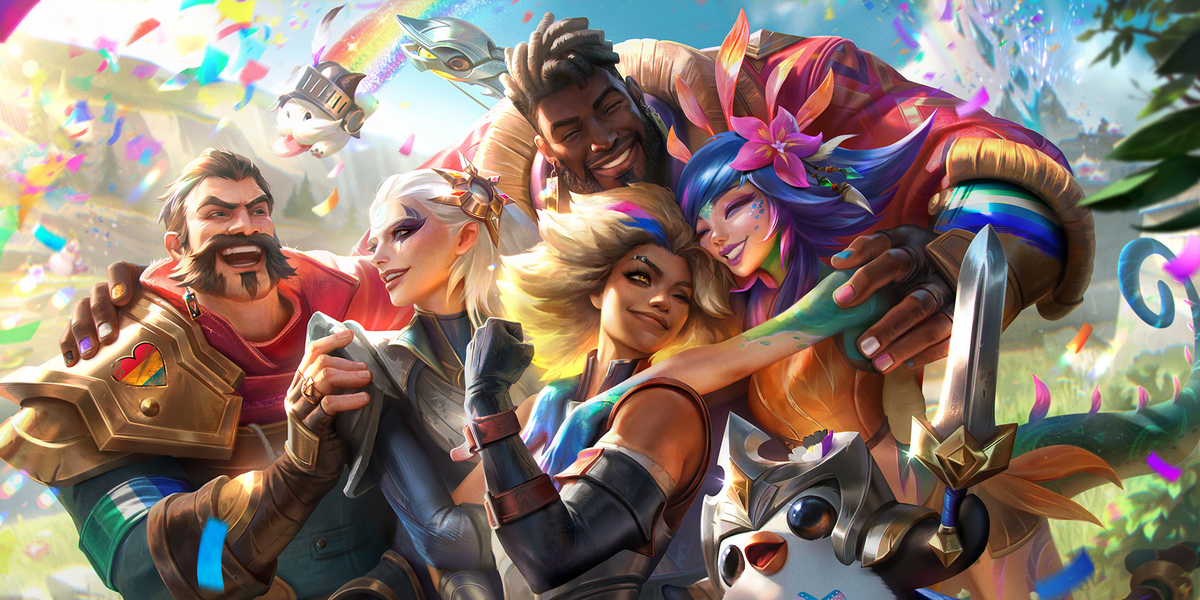
Riot Games Celebrates Pride 2026: How Art, Community, and Innovation Are Redefining Self-Expression in Gaming
This year’s Pride Month celebrations at Riot Games are more than just a seasonal tradition—they mark a deliberate expansion of the company’s commitment to fostering inclusivity through art, community engagement, and technological innovation. As the developer behind global gaming phenomena like League of Legends, VALORANT, and Teamfight Tactics, Riot is leveraging its platform to create new ways for players to express themselves while reinforcing its role as a cultural leader in the esports and gaming industries.
From interactive digital art projects to community-driven initiatives, Riot’s 2026 Pride campaign is designed to push boundaries—not just in representation, but in how players and fans can participate in the conversation. The effort arrives at a pivotal moment, as gaming communities increasingly demand more than performative allyship from major studios. For Riot, this year’s focus on “new ways to express yourself” signals a shift toward actionable, immersive experiences that resonate beyond the screen.
But what exactly does this look like in practice? And how does it fit into Riot’s broader strategy to blend gaming with real-world social impact? Below, we break down the key components of Riot’s 2026 Pride initiative, its historical context, and the implications for players, artists, and the gaming industry at large.
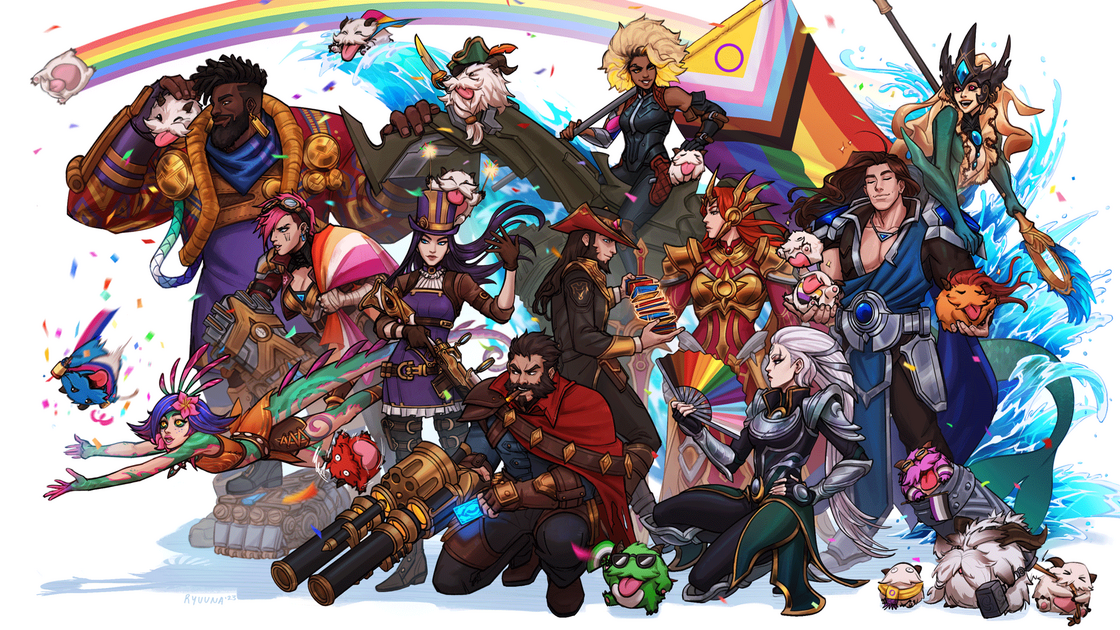
— ### A New Vision for Pride: Beyond the Rainbow Flag Riot Games’ approach to Pride 2026 is rooted in three pillars: artistic innovation, community empowerment, and technological experimentation. Unlike previous years, where celebrations often centered on static visuals or one-off events, this year’s campaign is structured around interactive, participatory experiences that encourage players to engage with LGBTQ+ themes in meaningful ways. #### 1. Art as a Tool for Self-Expression One of the most striking elements of Riot’s 2026 Pride initiative is its emphasis on player-generated art. Through in-game tools and creative challenges, Riot is inviting the community to design skins, emotes, and even entire game modes that reflect personal or collective identities. For example: – Customizable champion skins in League of Legends that allow players to reimagine iconic characters with Pride-themed designs. – Dynamic emote systems in VALORANT that let players express solidarity or joy through animated reactions tied to Pride events. – Collaborative digital art projects, where community artists contribute to a shared virtual gallery that evolves throughout the month.
Riot’s focus on art isn’t just about aesthetics—it’s about giving players agency. By turning gaming into a canvas, Riot is tapping into a long-standing tradition in LGBTQ+ culture: using creativity as both resistance and celebration.
This approach aligns with broader trends in gaming, where studios like Nintendo and Ubisoft have experimented with player-driven content to foster deeper engagement. However, Riot’s scale—with over 180 million monthly players across its titles—makes this initiative particularly impactful. #### 2. Community-Led Initiatives: From Players to Activists Riot’s Pride campaign isn’t just top-down; it’s co-created with players. The company has partnered with LGBTQ+ gaming organizations, streamers, and influencers to develop initiatives that address specific community needs. Key examples include: – Grants for LGBTQ+ game developers, providing funding and resources to underrepresented creators. – Mental health and wellness workshops led by gaming psychologists, addressing the unique challenges faced by LGBTQ+ players. – Esports inclusion programs, such as scholarships for queer athletes in competitive gaming. Why this matters: Gaming has long been a space where LGBTQ+ individuals find community, but it’s also historically struggled with toxicity and exclusion. Riot’s efforts to centrally fund and amplify marginalized voices represent a shift from passive celebration to active support. #### 3. Technological Innovation: Gaming as a Social Platform Perhaps the most ambitious aspect of Riot’s 2026 Pride strategy is its use of gaming technology to facilitate real-world connections. For instance: – Virtual Pride hubs in games like VALORANT, where players can gather in customizable spaces to host discussions, watch live performances, or participate in charity streams. – AI-driven personalization tools, allowing players to generate unique Pride-themed avatars or in-game identities. – Cross-game integration, enabling fans to share their Pride expressions across Riot’s titles seamlessly. Key point: By treating games as social platforms rather than just entertainment, Riot is mirroring the way platforms like Discord and Twitch have become hubs for LGBTQ+ communities. The result is a more immersive, interconnected experience that extends beyond the month of June. — ### The Historical Context: How Riot’s Pride Evolution Reflects Gaming’s Shift Riot Games has been celebrating Pride since at least 2015, but the scope and depth of its initiatives have evolved significantly over the years. Here’s a brief timeline of key milestones: | Year | Initiative | Impact | 2015 | First Pride-themed skins in LoL | Introduced rainbow-themed designs for champions like Ahri and Ezreal. | | 2017 | Pride-themed game modes | Added temporary “Pride Week” modes with altered mechanics. | | 2019 | Community art contests | Players submitted designs for Pride skins, with winners featured in-game. | | 2021 | LGBTQ+ allyship pledges | Riot committed to improving inclusivity in moderation and player support. | | 2023 | Expanded esports inclusion | Introduced Pride-themed tournaments and scholarships for queer players. | | 2026 | Interactive, player-driven experiences | Focus on art, community co-creation, and tech-driven self-expression. | Notable trend: Early Pride celebrations at Riot were largely visual and event-based, but recent years have seen a shift toward structural and participatory initiatives. This reflects a broader industry move away from performative allyship toward long-term investment in LGBTQ+ communities. — ### Who’s Behind the Campaign? Stakeholders and Their Roles Riot’s 2026 Pride initiative involves a mix of internal teams and external partners: 1. Riot Games Leadership – Brand and Community Teams: Overseeing the creative and logistical aspects of the campaign. – Esports Division: Organizing inclusive tournaments and scholarships. – Player Support: Enhancing moderation and reporting tools for LGBTQ+ players. 2. External Partners – LGBTQ+ Gaming Organizations: Groups like GLADG (Gay and Lesbian Alliance Against Defamation’s gaming division) and Queer in Gaming are advising on inclusivity measures. – Streamers and Influencers: Figures like Tyler1 and Shroud are hosting Pride-themed streams and charity events. – Artists and Developers: Independent creators are contributing to the digital art gallery and skin design contests. 3. Players and Fans – The primary audience, whose participation through art, donations, and engagement drives the campaign’s success. Expert perspective:
“Riot’s approach this year is a masterclass in turning corporate social responsibility into something tangible for the community. It’s not just about slapping a rainbow on a skin—it’s about giving people tools to express themselves in ways that matter to them.” — Industry analyst specializing in gaming and LGBTQ+ representation
— ### Why This Matters: The Broader Implications for Gaming and Beyond Riot’s 2026 Pride campaign isn’t just a marketing stunt—it reflects three major industry shifts: 1. The Rise of Player-Centric Gaming – Games are increasingly designed with modding, customization, and community tools in mind. Riot’s emphasis on player-generated content aligns with this trend, where studios prioritize user agency over passive consumption. 2. Corporate Accountability in Social Movements – After years of criticism for performative allyship, gaming companies are under pressure to demonstrate real-world impact. Riot’s grants for LGBTQ+ developers and mental health initiatives are steps toward tangible change. 3. Gaming as a Cultural Force – With millions of players globally, gaming studios now have the power to shape cultural narratives. Riot’s Pride campaign is a case study in how entertainment can drive social cohesion and self-expression on a massive scale. Potential challenges: – Backlash from conservative gaming communities, which may view inclusivity initiatives as “woke” overreach. – Sustainability of long-term commitments, as Pride Month often sees a surge in activity followed by a return to business-as-usual. – Balancing commercial interests with social impact, ensuring that player-driven content doesn’t prioritize engagement metrics over meaningful representation. — ### What’s Next? Watching for the Ripple Effects While Riot’s 2026 Pride campaign is already underway, its long-term impact will depend on several factors: – Will other studios follow suit? Competitors like Activision Blizzard and Electronic Arts may adopt similar models, pushing the industry toward greater inclusivity. – How will player engagement evolve? If Riot’s interactive tools gain traction, we could see a new era of gaming as a creative outlet for marginalized communities. – What’s next for esports inclusion? Riot’s scholarships and tournaments may set a precedent for LGBTQ+ representation in competitive gaming, which has historically been dominated by cisgender, heterosexual players. For now, one thing is clear: Riot Games is not just celebrating Pride this year—it’s redefining what it means to express yourself in gaming. — ### Frequently Asked Questions About Riot’s 2026 Pride Initiative How can players participate in Riot’s Pride initiatives? Players can engage through in-game art contests, custom skin designs, and community events hosted on platforms like Twitch and Discord. Riot has also opened up channels for submitting Pride-themed content directly through its official websites. Are there any new games or features being released for Pride 2026? While no new full games are launching, Riot is introducing temporary game modes, custom emotes, and interactive art projects across League of Legends, VALORANT, and Teamfight Tactics. These features will be available throughout June. How is Riot addressing toxicity and exclusion in its games? Riot has expanded its player support teams to handle reports of discrimination and partnered with LGBTQ+ organizations to improve moderation policies. The company is funding mental health resources for players facing harassment. Will these initiatives continue after Pride Month? Riot has stated that many of the community-driven programs, such as grants for LGBTQ+ developers and esports scholarships, will have ongoing funding and support beyond June. However, some in-game features may be temporary. Can non-players contribute to the campaign? Yes! Riot is encouraging artists, developers, and activists to submit work for its digital gallery, even if they don’t play Riot games. Donations to LGBTQ+ gaming charities are also being directed through the campaign. How does Riot’s approach compare to other gaming companies? Unlike some studios that focus solely on visual Pride-themed content, Riot’s strategy emphasizes participation, funding, and long-term structural changes. Companies like Nintendo have experimented with similar art contests, but Riot’s scale and integration across multiple titles make its effort particularly ambitious. —
