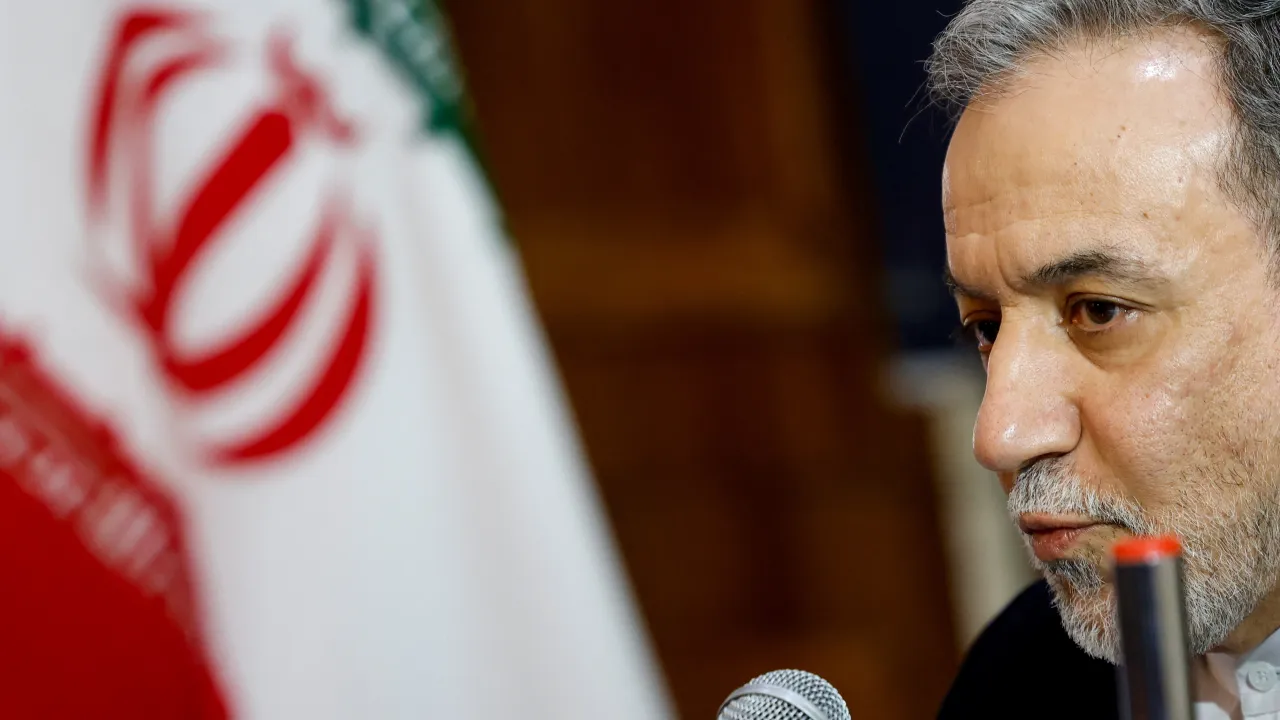
Global energy markets are facing renewed volatility as Iran has terminated diplomatic communications with the United States, citing Israeli military operations in Lebanon as the catalyst for the rupture.
- Action: Iran has suspended dialogue and the exchange of messages with the U.S. Government.
- Primary Driver: Israeli attacks conducted in Lebanon.
- Security Threat: Iran has threatened a total blockade of the Strait of Hormuz.
- Economic Impact: Crude oil prices have begun to rise sharply following the announcement.
Energy Markets React to Hormuz Threats
The suspension of talks has triggered an immediate reaction in global commodities, with oil prices climbing significantly. This economic instability is closely tied to threats from Tehran to completely block the Strait of Hormuz, a critical maritime chokepoint for the world’s oil supply.

International observers note that the prospect of a total blockade in the region remains a primary driver for the current surge in energy costs, as the market braces for potential disruptions to oil exports.
Lebanon Escalation Ends Diplomatic Dialogue
The collapse of the dialogue follows a series of Israeli strikes in Lebanon. According to reports, Iran viewed these military actions as an unacceptable escalation, leading the government in Tehran to abruptly cut off its exchange of messages and diplomatic channels with Washington.
The decision signals a significant hardening of Iran’s position, moving away from negotiated settlements as regional military tensions intensify.
Arab Response to U.S. Peace Proposals
The diplomatic rift is further complicated by the reception of proposed peace terms offered by the U.S. Administration. Reports indicate that peace conditions put forward by President Donald Trump have been met with derision among Arab nations, with some descriptions characterizing the terms as laughable.
This lack of regional consensus on U.S.-led peace efforts suggests a widening gap between Washington’s diplomatic objectives and the realities on the ground in the Middle East.
