US Treasury Secretary warns allies to back economic isolation of Iran
The Trump administration has issued an ultimatum for allies to join its maximum pressure campaign against Iran, threatening secondary penalties that have already pushed Brent crude past $93 a barrel.

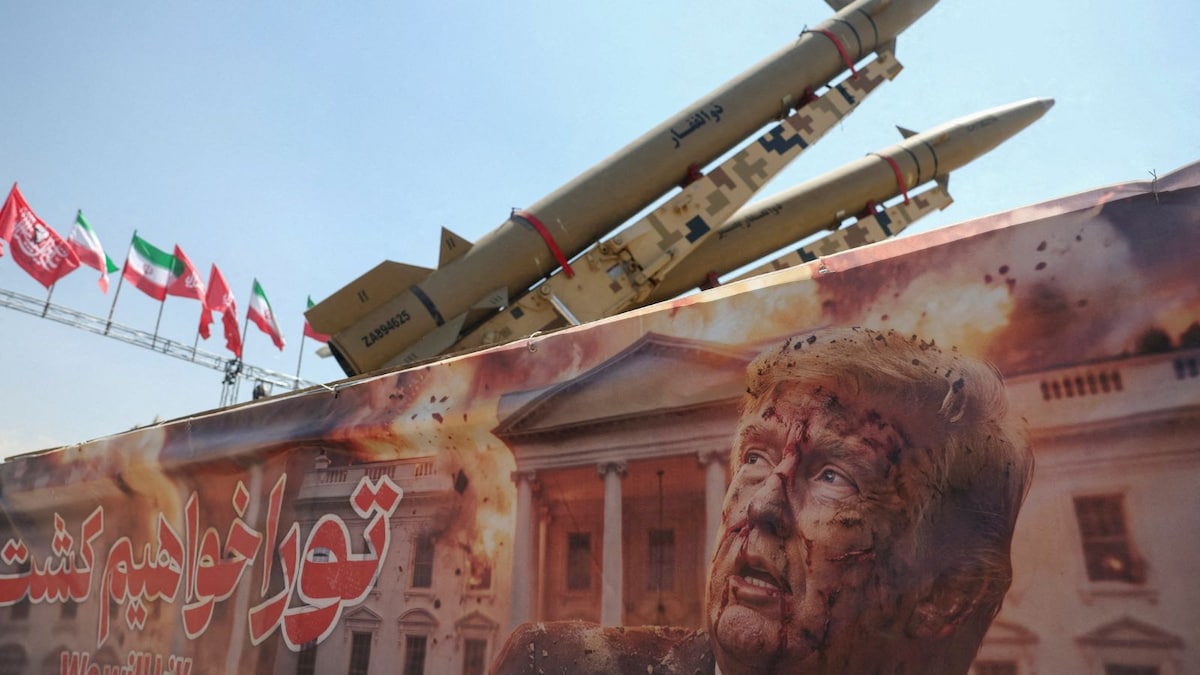
US Treasury Secretary Scott Bessent warned international allies on Thursday that they must choose whether they are with Washington or against it in enforcing the most severe economic blockade in modern history against Iran, according to Saudi Gazette. The ultimatum, which includes threats of secondary penalties against any nation or institution providing a financial lifeline to Tehran, triggered an immediate reaction in global commodities markets, pushing the international benchmark Brent crude past $93 a barrel.
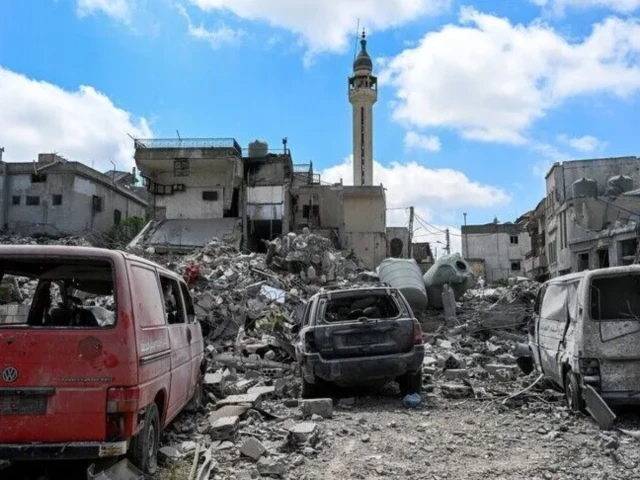
The campaign, dubbed "Economic D-Day" by President Donald Trump, follows the collapse of earlier diplomatic efforts and a nearly six-month-old conflict that has stranded millions of barrels of Middle Eastern crude. While U.S. Officials maintain that maximum economic pressure will avert a large-scale kinetic restart of military operations, the aggressive posture has strained relations with regional mediators such as Oman and escalated trade friction with major energy consumers, LiveMint reports.
Related YouTube video
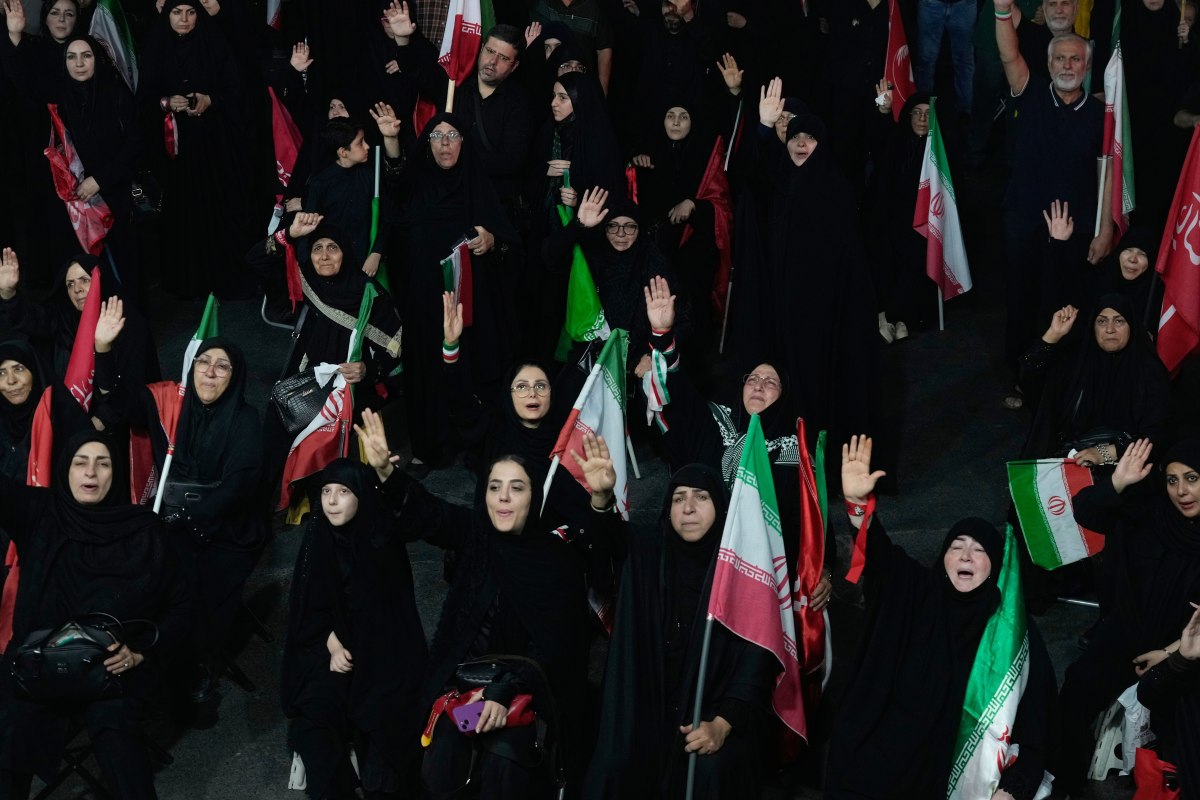

At the center of the geopolitical friction is China, which analytics firm Kpler data cited by Saudi Gazette indicates buys more than 80 percent of Iran's shipped oil, often through independent refineries known as "teapots" attracted by discounted prices. While U.S. Officials argue that Beijing derives half its energy from the wider Gulf region and should align with the blockade, Indicator notes that targeting Chinese entities risks severe economic retaliation from a major exporter of vital goods and rare-earth minerals. Simultaneously, Iranian Foreign Minister Abbas Araqchi dismissed the U.S. Measures as "economic terrorism" designed to deflect from domestic financial pressures in Washington, pointing to record national debt and rising interest rates.
Beneath Tehran's political defiance, Newsweek reports that economic data reveals a severe domestic crisis. Official figures show Iran's consumer-price index climbed by nearly 32 percent between the prewar period and July, with overall consumer prices soaring 87.9 percent year-on-year and food prices spiking approximately 128 percent. The Iran Chamber of Commerce Purchasing Managers' Index (PMI) plunged sharply during the initial attacks, remaining locked in severe economic contraction as transport routes ruptured and businesses shuttered. The state has increasingly deflected these costs onto ordinary households by protecting its security apparatus—including the Islamic Revolutionary Guard Corps and the Basij—while rationing dwindling resources.
Diplomatic channels face severe strain as well. Omani Foreign Minister Badr Albusaidi rejected further regional escalation on Thursday, emphasizing that lasting security in the Strait of Hormuz requires a permanent peace rather than military or economic confrontation. Meanwhile, U.S. Retail consumers are absorbing collateral costs, with average gasoline prices reaching $4.05 a gallon in mid-August, according to Newsweek.
The exact operational steps of the new sanctions campaign remain to be clarified, with Saudi Gazette noting that U.S. Treasury Secretary Scott Bessent is scheduled to hold a press conference on Monday to detail the enforcement mechanism of the blockade.
Enforcement Mechanisms and Regional Fallout
The intensifying economic campaign has already triggered real-world ripple effects across international energy markets and regional diplomacy. According to Bloomberg reporting cited by Indicator, West Texas Intermediate for October edged lower to trade around $86 a barrel after a five-session run of gains, while Brent crude slipped 0.7 percent to trade around $93.10 a barrel. LiveMint notes that Indian customers remain insulated from this volatility because state-run Oil Marketing Companies determine retail petrol and diesel prices, keeping rates steady across major cities such as Delhi, Mumbai, and Bengaluru.
At the same time, the diplomatic fallout has widened to include direct actions against regional proxies. Reuters reported on a statement revealing that the U.S. Treasury Department fresh-sanctioned Lebanon’s Hezbollah, re-designating the group for service to the Iranian regime under the command of the Islamic Revolutionary Guard Corps-Quds Force. An anonymous U.S. Official explained that the move aims to demonstrate that Hezbollah acts directly on behalf of Tehran. This designation adds asset freezes and banking bans to a historical classification that dates back decades, seeking to dismantle financial pipelines that connect Tehran to its regional militia networks.
Adding to Tehran's commercial isolation, the United Arab Emirates suspended commercial and financial transactions with Iran after accusing it of firing two ballistic missiles at its territory, a claim the Iranian Foreign Ministry has denied according to Indicator. As regional friction compounds Tehran's economic distress, Iranian Central Bank Governor Abdolnaser Hemmati acknowledged this week that shipping flows through the Strait of Hormuz have virtually stopped, leaving the regime heavily reliant on independent Chinese refiners and domestic belt-tightening measures. The next step in the unfolding blockade centers on Washington's upcoming disclosures, with U.S. Treasury Secretary Scott Bessent scheduled to hold a press conference on Monday to detail the enforcement mechanism of the sanctions.
How significant is this development?
Contribute your assessment to the aggregated reader intelligence ledger.
Archypedia is dedicated to independent, evidence-backed reporting. This briefing was synthesized from primary source reporting, corroborated across independent newsrooms, and verified against our Editorial Standards.
Transparency record
Evidence behind this report
This report synthesizes 4 distinct sources. Open the source ledger below to compare the underlying coverage.
Prepared under the Archypedia Editorial Policy by the Samir Haddad editorial desk profile. AI-assisted tools may support drafting and verification; public accountability remains with Archypedia. Report an error.