US seeks IAEA report Iran
US seeks IAEA report Iran
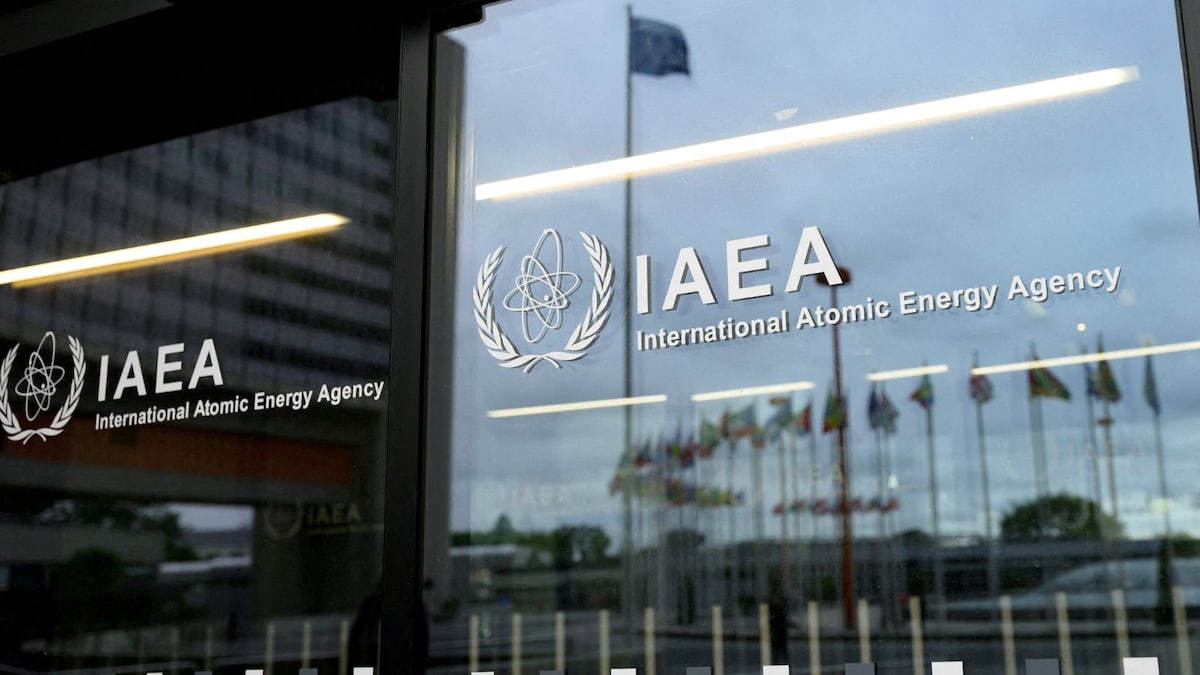
The conflict between the US and Iran has escalated in recent months, with the US and its allies pushing for a UN nuclear watchdog resolution to report Iran to the UN Security Council for non-compliance with its nuclear obligations. According to cnbctv18.com, the US, Britain, France, and Germany are leading the effort to pass the resolution, which would follow up on a previous resolution adopted on June 12 of last year declaring Iran in breach of its non-proliferation obligations.
The current state of the conflict is marked by increased tensions, with the US and Israel launching attacks against Iran's nuclear sites in June 2025, and Iran responding with attacks on US bases in Kuwait. The situation has been further complicated by Iran's refusal to allow International Atomic Energy Agency (IAEA) inspectors to return to the bombed sites or verify the remaining stocks of enriched uranium. As reported by newsday.com, the IAEA believes that well over 200 kg of highly enriched uranium has survived the bombardments and is held in a tunnel complex at Isfahan and at the Natanz facility.
Related YouTube video

Background and Context
The Nuclear Non-Proliferation Treaty (NPT) is an international treaty aimed at preventing the spread of nuclear weapons and weapons technology. As a party to the NPT, Iran has the right to develop nuclear technology, including enrichment, for peaceful purposes. However, the treaty also requires Iran to declare all nuclear material and activities and allow IAEA inspectors to verify that none of it is being diverted from peaceful uses. According to Moneycontrol, Iran's refusal to cooperate with the IAEA and allow inspectors access to its nuclear sites has raised concerns about the country's nuclear program.
Implications and Consequences
The potential consequences of the resolution are significant, with the possibility of economic sanctions and further isolation of Iran. As reported by English, the US and its allies are pushing for a resolution that would refer Iran to the UN Security Council, which could lead to further punitive measures. However, the effectiveness of such measures is uncertain, given the veto power held by Iran's allies, Russia and China, on the UN Security Council.
The situation is further complicated by the ongoing conflict between the US and Iran, which has been marked by increased tensions and violence. The US Vice President, JD Vance, has stated that the conflict is not a war, but rather a series of skirmishes and exchanges of fire. However, the lack of a definitive end to the conflict has kept global oil prices elevated, and the situation remains volatile.
In the midst of this uncertainty, the IAEA Board of Governors is set to meet next week to discuss the resolution and potentially vote on it. The outcome of this meeting will be crucial in determining the next steps in the conflict and the potential consequences for Iran and the global community. As the situation continues to unfold, it remains to be seen how the US and its allies will proceed, and what the ultimate outcome will be.
Key Developments and Next Steps
The situation between the US and Iran remains volatile, with the US and its allies pushing for a resolution to report Iran to the UN Security Council. According to Cnbctv18, the draft resolution is still under negotiation, with diplomats working to finalize the exact wording. Meanwhile, newsday.com reports that the IAEA believes well over 200 kg of highly enriched uranium has survived the bombardments and is held in a tunnel complex at Isfahan and at the Natanz facility.
The IAEA's concerns are echoed by Western officials, who suspect that the uranium traces could provide further evidence that Iran had a secret nuclear weapons program until 2003. As reported by english.aawsat.com, the US and its allies are pushing for a resolution that would refer Iran to the UN Security Council, which could lead to further punitive measures. However, the effectiveness of such measures is uncertain, given the veto power held by Iran's allies, Russia and China, on the UN Security Council.
The next step in the process will be the IAEA Board of Governors meeting, where the resolution will be put to a vote. According to moneycontrol.com, the meeting will take place next week, and the outcome will be crucial in determining the next steps in the conflict and the potential consequences for Iran and the global community. The US Vice President, JD Vance, has stated that the conflict is not a war, but rather a series of skirmishes and exchanges of fire, and has declined to provide a timeline for when the conflict will be over. As the situation continues to unfold, the next step will be to wait for the outcome of the IAEA Board of Governors meeting and see how the US and its allies will proceed.
Archypedia is dedicated to independent, evidence-backed reporting. This briefing was synthesized from primary source reporting, corroborated across independent newsrooms, and verified against our Editorial Standards.
Transparency record
Evidence behind this report
This report synthesizes 4 distinct sources. Open the source ledger below to compare the underlying coverage.
Prepared under the Archypedia Editorial Policy by the Samir Haddad editorial desk profile. AI-assisted tools may support drafting and verification; public accountability remains with Archypedia. Report an error.