US military launches new airstrikes on Iran following deaths of US troops
US airstrikes have intensified following the deaths of American troops in Jordan as the collapse of a ceasefire agreement halts shipping in the Strait of Hormuz.

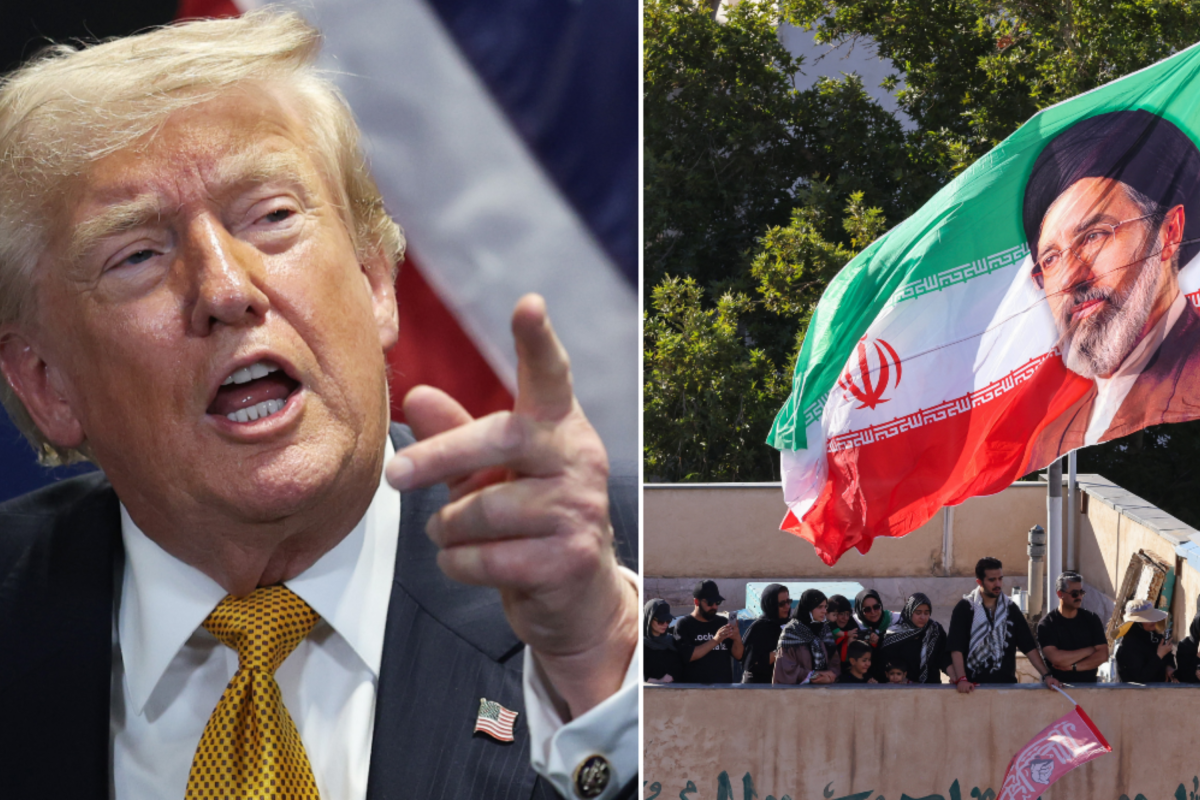
The United States military has conducted an eighth consecutive night of airstrikes against Iran, targeting military and surveillance infrastructure following a lethal drone and missile attack on an American base in Jordan. The operation, directed by President Donald Trump, follows the deaths of two American service members and the disappearance of a third.
The latest strikes concluded late Saturday, July 18, 2026, with U.S. Central Command reporting the destruction of Iranian coastal surveillance facilities, air defense systems, and missile storage sites. These actions are intended to degrade Iran’s capacity to obstruct commercial shipping in the Strait of Hormuz, a critical waterway for global energy supplies.
Related media

Escalating Conflict and Diplomatic Collapse
The recent intensification follows the breakdown of an interim memorandum of understanding signed last month. Iranian officials, including Deputy Foreign Minister Kazem Gharibabadi, stated that Tehran no longer considers itself bound by the agreement, accusing the United States of repeated violations. Through a statement attributed to Supreme Leader Mojtaba Khamenei—who has remained unseen since the war’s onset—the Iranian leadership described President Trump’s signature as worthless and invalid
and warned the United States that it would face unforgettable lessons
if military pressure continues.
As the conflict spreads, the U.S. State Department has issued a global travel alert, urging citizens to exercise increased caution due to the volatile security environment. The collapse of the ceasefire has led to a return to sustained hostilities, with Iran reportedly launching retaliatory strikes against U.S. Interests and allies across the Gulf, including Kuwait, Bahrain, and Iraq.
Regional Impacts of the Hostilities
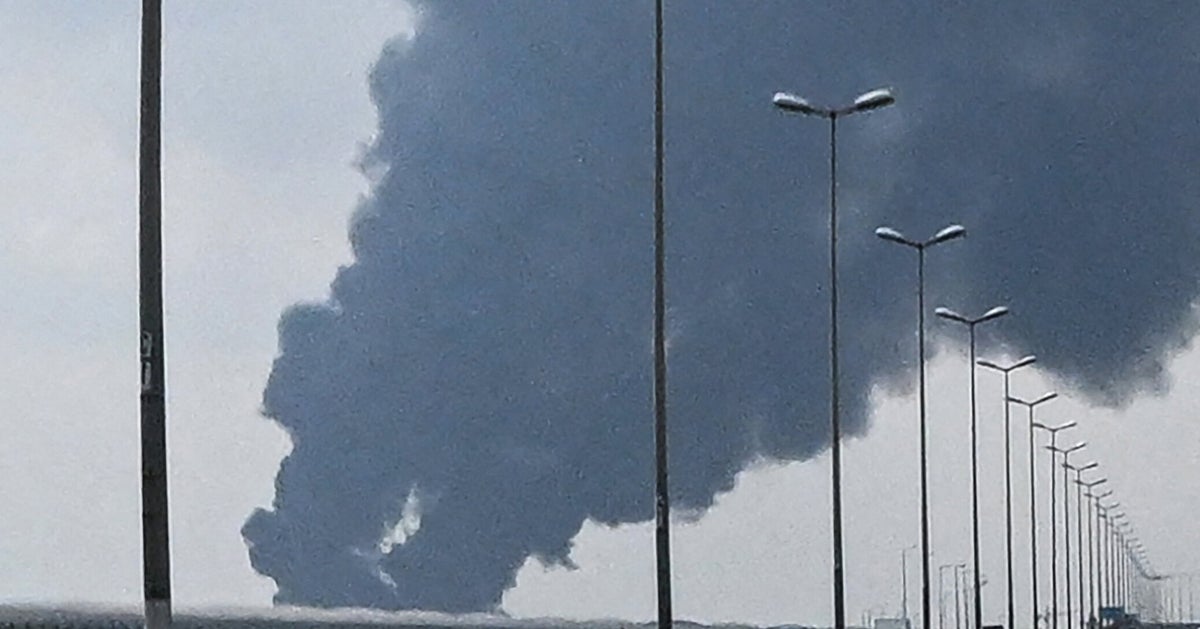
The fighting has increasingly endangered civilian infrastructure. In Kuwait, authorities reported damage to an oil facility and a water desalination plant, leading to the temporary suspension of airport operations and flight rescheduling.
The intensity of the exchange has prompted concerns regarding regional stability:
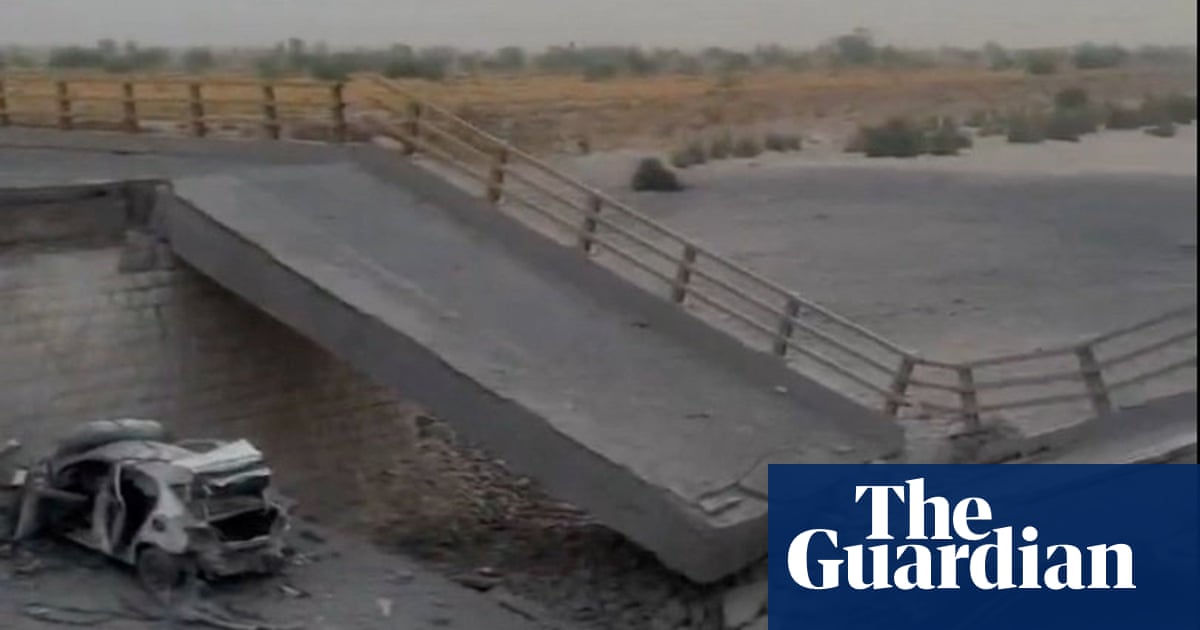
- Casualty Reports: Iran’s Health Ministry claims that U.S. Strikes since early July have resulted in at least 50 deaths and over 500 injuries, including strikes on bridges and power facilities in Hormozgan province.
- U.S. Losses: With the recent fatalities in Jordan, the total number of American service members killed since the war began on February 28, 2026, has reached 16, with more than 430 wounded.
- Energy Disruption: The Strait of Hormuz, through which a significant portion of global crude oil passes, remains effectively closed to shipping traffic. Pakistan has moved to daily revisions of petroleum prices to combat volatility in international markets.
Status of the Conflict
Defense Secretary Pete Hegseth remarked on social media that the sacrifice only stiffens our resolve
in reference to the fallen soldiers. Meanwhile, political debate in Washington has sharpened, with the Trump administration defending its military strategy against criticism. With both sides intensifying their military postures and the airstrikes on infrastructure continuing, observers remain concerned about the potential for further expansion of the conflict. In Lebanon, President Joseph Aoun is expected to visit the White House this week to present a plan regarding Hezbollah, adding a further layer of complexity to the regional world coverage of the war.
Archypedia is dedicated to independent, evidence-backed reporting. This briefing was synthesized from primary source reporting, corroborated across independent newsrooms, and verified against our Editorial Standards.
Transparency record
Evidence behind this report
This report synthesizes 8 distinct sources. Open the source ledger below to compare the underlying coverage.
- cnbctv18.com
- toronto.citynews.ca
- malaysia.news.yahoo.com
- mandurahmail.com.au
- dailytimes.com.pk
- republicworld.com
- npr.org
- cbsnews.com
Prepared under the Archypedia Editorial Policy by the Samir Haddad editorial desk profile. AI-assisted tools may support drafting and verification; public accountability remains with Archypedia. Report an error.