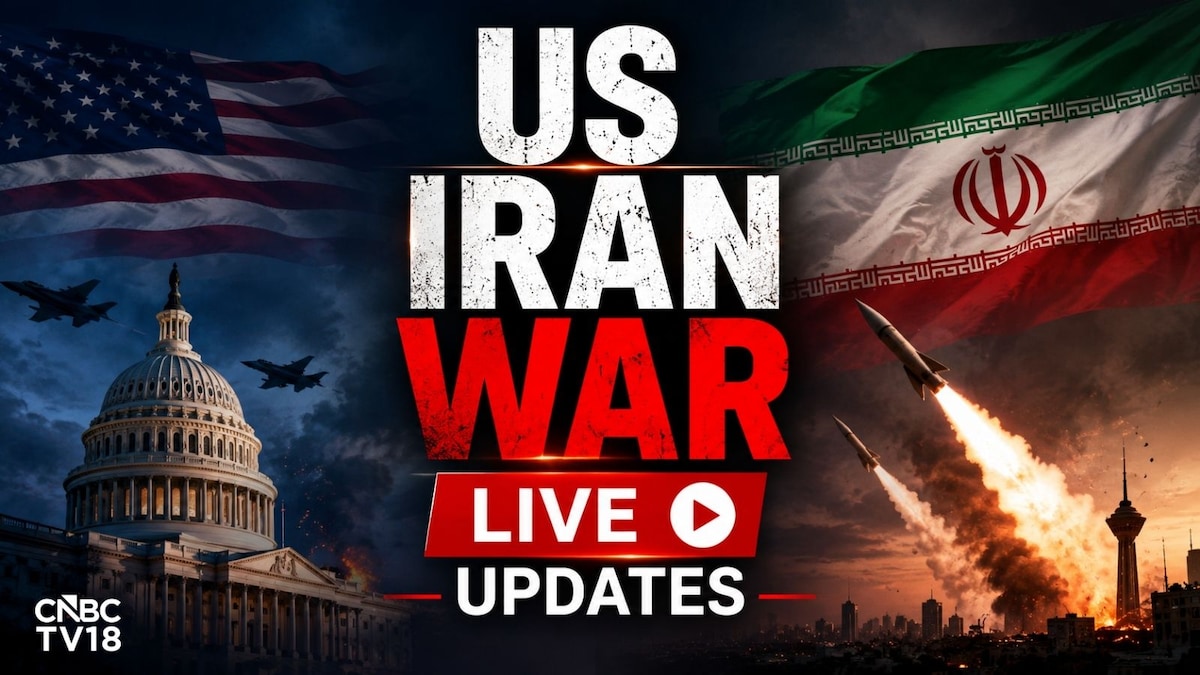
US strikes Iranian Revolutionary Guard as war intensifies near Hormuz Strait
The United States has intensified its military campaign against the IRGC following a deadly strike on a Jordanian air base, escalating regional conflict. Ongoing hostilities have prompted concerns over global energy supplies and critical infrastructure stability.
The United States military launched a fresh wave of airstrikes against Iranian Revolutionary Guard facilities on Sunday, 19 July 2026, marking a significant intensification in a conflict that has now entered its eighth day. The retaliatory campaign follows a deadly drone and missile strike on the Muwaffaq Salti Air Base in Jordan, which resulted in the deaths of two American service members and left another reported missing.
According to the U.S. Central Command, the latest military operations were designed to swiftly punish
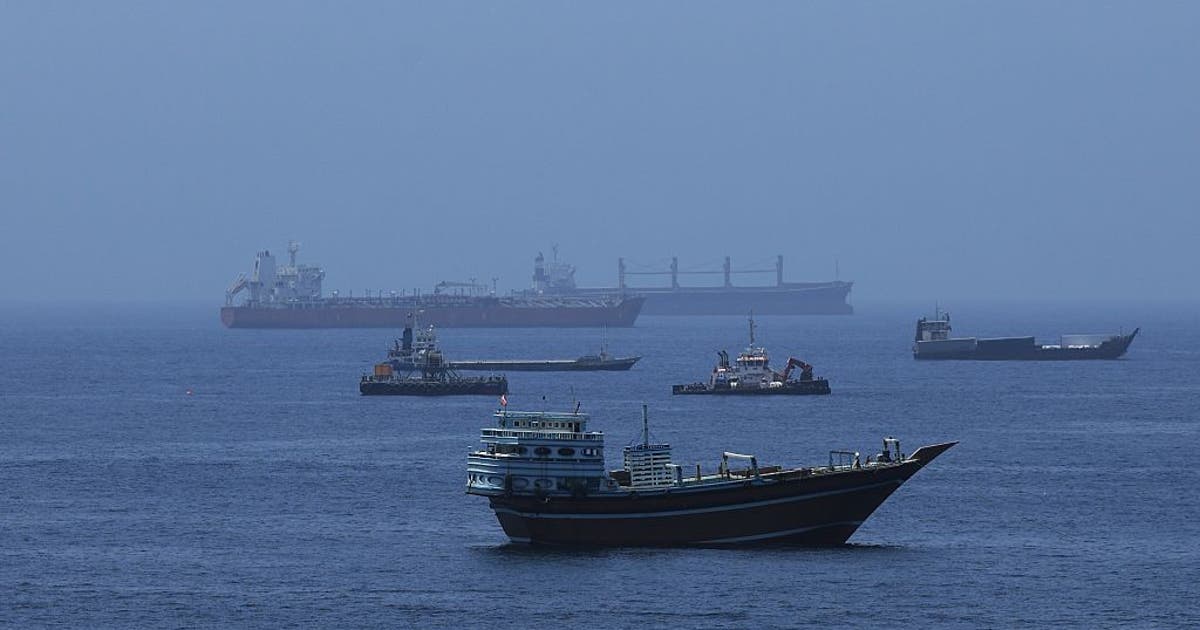
the Islamic Revolutionary Guard Corps (IRGC) and degrade Tehran's capability to threaten commercial shipping within the Strait of Hormuz. The waterway, a critical transit point for approximately 20% of the world's oil and natural gas, has been the primary focal point of hostilities since the war began on 28 February 2026. Tensions flared after the collapse of an interim peace agreement, which had been brokered last month with Pakistan acting as a guarantor.
Related media


Escalating Regional Hostilities
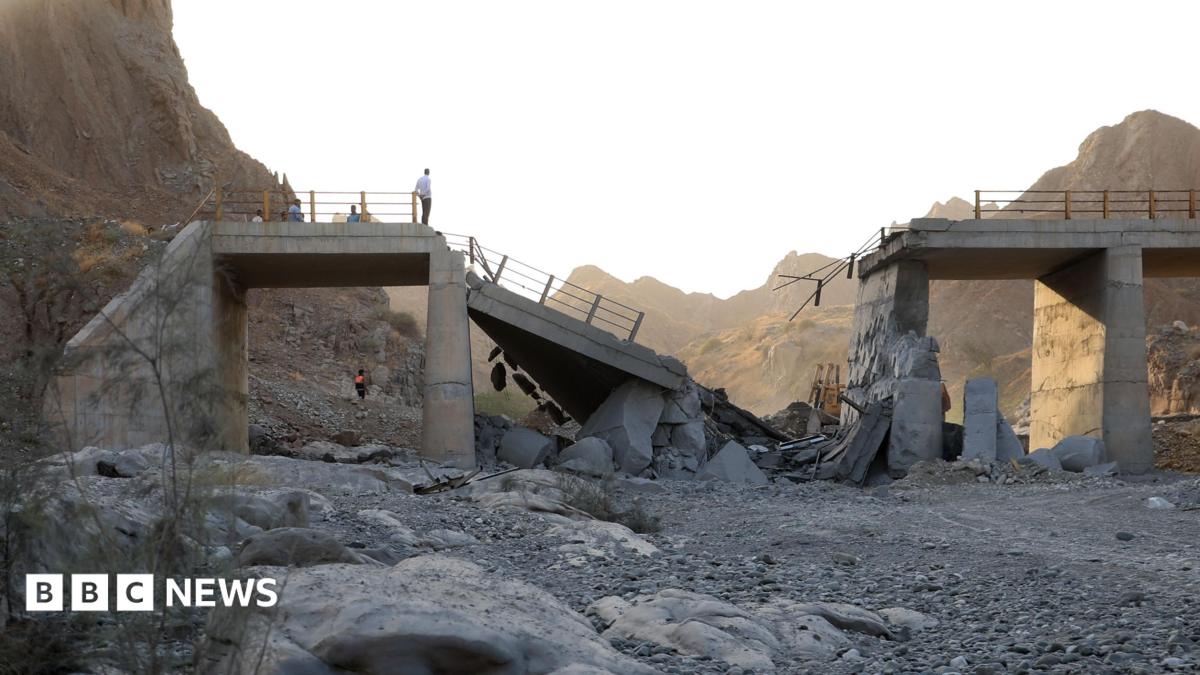
The conflict has spread rapidly across the Middle East, with Iran expanding its retaliatory strikes to target infrastructure in neighboring U.S.-allied nations. The Kuwait Petroleum Corporation confirmed that a vital facility was struck, causing injuries to staff and material losses, while the Kuwaiti Fire Force reported several casualties among emergency personnel attempting to extinguish resultant blazes.
In response to the shifting theater of war, the Secretary-General of the six-nation Gulf Cooperation Council, Jasem Mohamed al-Budaiwi, accused Iran of committing war crimes by deliberately targeting civilian infrastructure. Governments in Bahrain and Jordan also activated air defense systems to intercept incoming Iranian projectiles throughout the weekend. The U.S. State Department has issued a fresh travel advisory, urging American citizens to reconsider all travel across the region due to the volatile security environment.
Recent U.S. Fatalities and Casualties
- Total U.S. Deaths: 16 service members since 28 February 2026.
- Recent Jordan incident: 2 killed, 1 missing, and 4 hospitalized.
- Cumulative wounded: Over 430 U.S. Service members.
- Iranian casualty reports: Tehran claims 50 deaths and 500 wounded due to U.S. Strikes since 6 July 2026.
Diplomatic and Strategic Shifts
The collapse of the interim ceasefire has been marked by bellicose rhetoric from both capitals. Iran’s supreme leader, Mojtaba Khamenei, issued a statement on Saturday characterizing the signature of U.S. President Donald Trump as worthless
. Iranian negotiators have formally suspended commitments under the memorandum of understanding signed last month, citing alleged violations by Washington. Meanwhile, President Trump has continued to signal a commitment to a campaign of targeted strikes against bridges, power stations, and coastal military assets to compel Tehran to loosen its control over the Strait of Hormuz.
As the conflict widens, Lebanese President Joseph Aoun is expected to arrive at the White House this week. The timing coincides with the most precarious phase of the broader Iran-U.S. Confrontation.
Military analysts note that the U.S. Has intensified its naval blockade of Iranian ports in an effort to choke off crude oil exports, while the IRGC has threatened that any country facilitating U.S. Military operations—specifically those hosting American bases—should expect corresponding retaliatory actions. As of 19 July 2026, there is no indication of a return to the negotiating table, and major regional powers are bracing for further infrastructure disruptions.
What to Watch Next
- Lebanese-U.S. Talks: The upcoming meeting between President Joseph Aoun and President Donald Trump may influence the regional scope of the war beyond the Strait of Hormuz.
- Energy Market Volatility: Pakistan and other regional importers have moved to daily fuel price revisions to account for the instability in crude markets caused by the closure of the strait.
- Infrastructure Repairs: The ability of Kuwaiti and other regional authorities to stabilize power and water grids will be a key indicator of the war's impact on civilian life.
Archypedia is dedicated to independent, evidence-backed reporting. This briefing was synthesized from primary source reporting, corroborated across independent newsrooms, and verified against our Editorial Standards.
Transparency record
Evidence behind this report
This report synthesizes 12 distinct sources. Open the source ledger below to compare the underlying coverage.
- dailymail.com
- apnews.com
- cnbctv18.com
- en.tempo.co
- clickorlando.com
- bbc.co.uk
- dw.com
- theguardian.com
- yahoo.com
- bbc.com
- ky3.com
- usatoday.com
Prepared under the Archypedia Editorial Policy by the Samir Haddad editorial desk profile. AI-assisted tools may support drafting and verification; public accountability remains with Archypedia. Report an error.