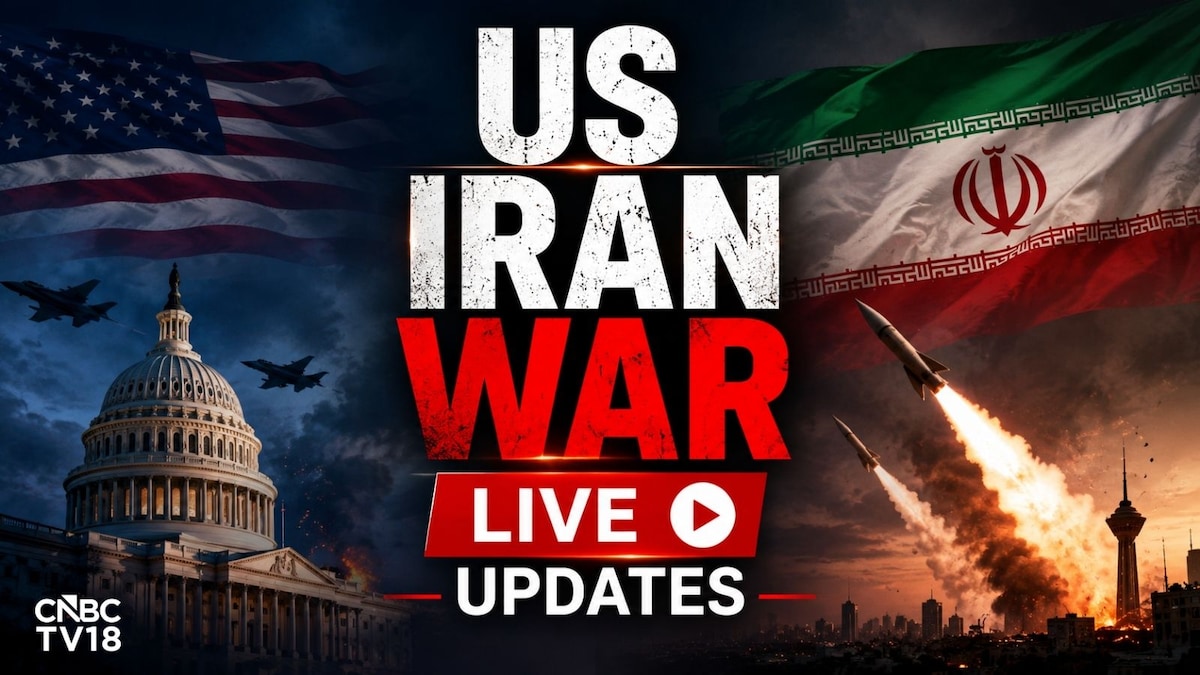
Trump Silent on Iran Strategy as US Death Toll Hits 17
Following a deadly strike in Jordan, the US has concluded a ninth night of military operations against Iran as a regional memorandum of understanding fails.
The United States concluded a ninth consecutive night of military strikes against Iran on Sunday, a campaign characterized by a mounting death toll and the definitive collapse of a short-lived memorandum of understanding intended to restore stability to the region. The ongoing conflict has claimed the lives of 17 American service members since hostilities commenced on Feb. 28, 2026.
Casualties and Ongoing Operations
The American death toll rose following an attack on the Muwaffaq Salti Air Base in Jordan. On Friday, an Iranian ballistic missile and drone strike hit the facility, killing two soldiers. The Department of Defense identified them on Monday as 1st Lt. Tyler James Feehan, 25, of Ewa Beach, Hawaii, and Pvt. Isabella Gonzales, 19, of Carrollton, Texas. Both were deployed to support missions against the Islamic State group. Military personnel discovered unidentified remains at the site of Friday’s attack while searching for a missing soldier, according to reports confirmed by Central Command.
Related media

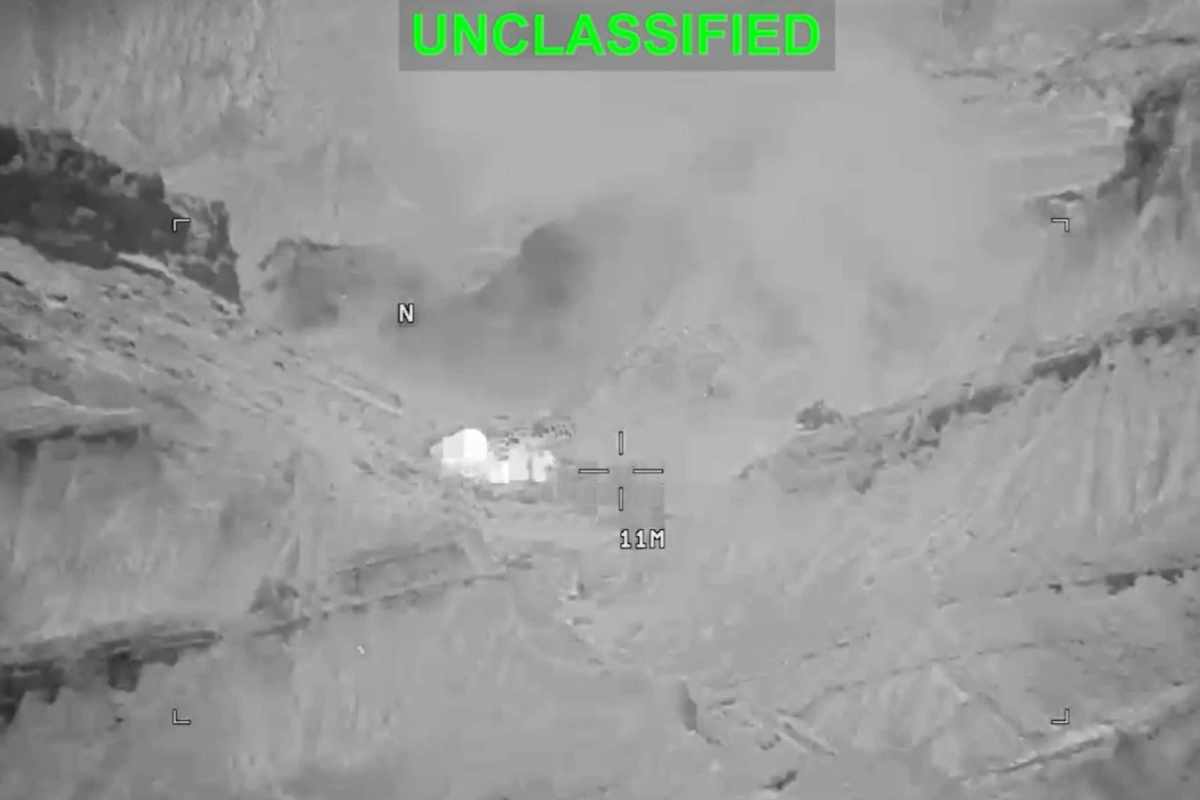
In a separate incident on Saturday, a third U.S. Service member died in northern Iraq during a controlled detonation of unexploded ordnance from a downed Iranian drone. Central Command reported that another service member sustained minor injuries during the same event. These fatalities bring the total number of American service members killed since the war began to 17.
President Donald Trump, who spent the weekend in New Jersey, addressed the fatalities upon his return to Maryland. The president stated that the latest airstrikes were conducted in honor
of the fallen soldiers. Meanwhile, U.S. Central Command confirmed that its recent operations have targeted Iranian command centers, air defense facilities, and missile launch sites to diminish Tehran’s ability to disrupt transit through the Strait of Hormuz.
The Diplomatic Collapse
The current escalation signals the collapse of a memorandum of understanding signed earlier this year, which was intended to stabilize the region and restore commercial shipping. Secretary of State Marco Rubio noted on Sunday that while Iran continues to signal a desire to negotiate through various channels, their recent actions remain incompatible with the terms of the agreement. You can't have an MoU that's alive if they're violating the terms of it,
Rubio stated. Conversely, Iranian foreign ministry spokesman Esmaeil Baqaei asserted that diplomatic exchanges via mediators remain active. Iranian President Masoud Pezeshkian described the current situation as a full-scale war,
warning his citizens of the inevitable consequences.
Economic and Strategic Implications
The conflict has placed renewed pressure on global energy markets. Benchmark Brent crude rose 3.2% to $90.95 per barrel on Monday, and domestic U.S. Gas prices returned to an average of $4 per gallon. Energy Secretary Chris Wright stated on ABC’s This Week that the administration’s focus remains on degrading Iran's ability to hold world commerce hostage and preventing the development of nuclear weapons.
Experts remain divided on the administration's current path. Mona Yacoubian, director of the Middle East Program at the Center for Strategic and International Studies, described the current situation as an escalatory cycle
that is more dangerous than previous iterations of the conflict. Representative Michael McCaul has advocated for a more aggressive military posture, stating that the objective must be to neutralize Iran's ability to threaten regional shipping.
Regional Spillover
Tensions are further exacerbated by the Houthi rebels in Yemen, who announced on Monday a naval blockade of Saudi Arabia in retaliation for regional strikes. As the military continues to monitor the status of unidentified remains in Jordan and the movement of additional aerial assets to the region, observers are tracking the potential for Iranian-aligned groups to broaden attacks against U.S. Interests.
What to Watch Next
- Verification of Personnel: The military has yet to confirm the identities of the remains found in Jordan or clarify the final status of missing service members.
- Regional Blockades: Analysts are assessing the impact of the Houthi-declared naval blockade on Saudi oil exports and the potential for further disruptions to maritime transit.
- Legislative Activity: President Trump has called for Congress to integrate new Iran penalties into existing Russian sanctions legislation, a proposal currently under debate.
Archypedia is dedicated to independent, evidence-backed reporting. This briefing was synthesized from primary source reporting, corroborated across independent newsrooms, and verified against our Editorial Standards.
Transparency record
Evidence behind this report
This report synthesizes 12 distinct sources. Open the source ledger below to compare the underlying coverage.
- cbsnews.com
- finance.yahoo.com
- yahoo.com
- apnews.com
- npr.org
- theguardian.com
- dailymail.com
- newsweek.com
- abcnews.com
- latimes.com
- aljazeera.com
- forbes.com
Prepared under the Archypedia Editorial Policy by the Mara Ionescu editorial desk profile. AI-assisted tools may support drafting and verification; public accountability remains with Archypedia. Report an error.