US-Iran War Live Updates: Drone strike targets Iranian Kurdish opposition camp
U.S. forces targeted Iranian drone storage and radar sites following a drone strike on a cargo ship. Meanwhile, diplomats are working to maintain a 60-day roadmap for a U.S.-Iran peace deal.
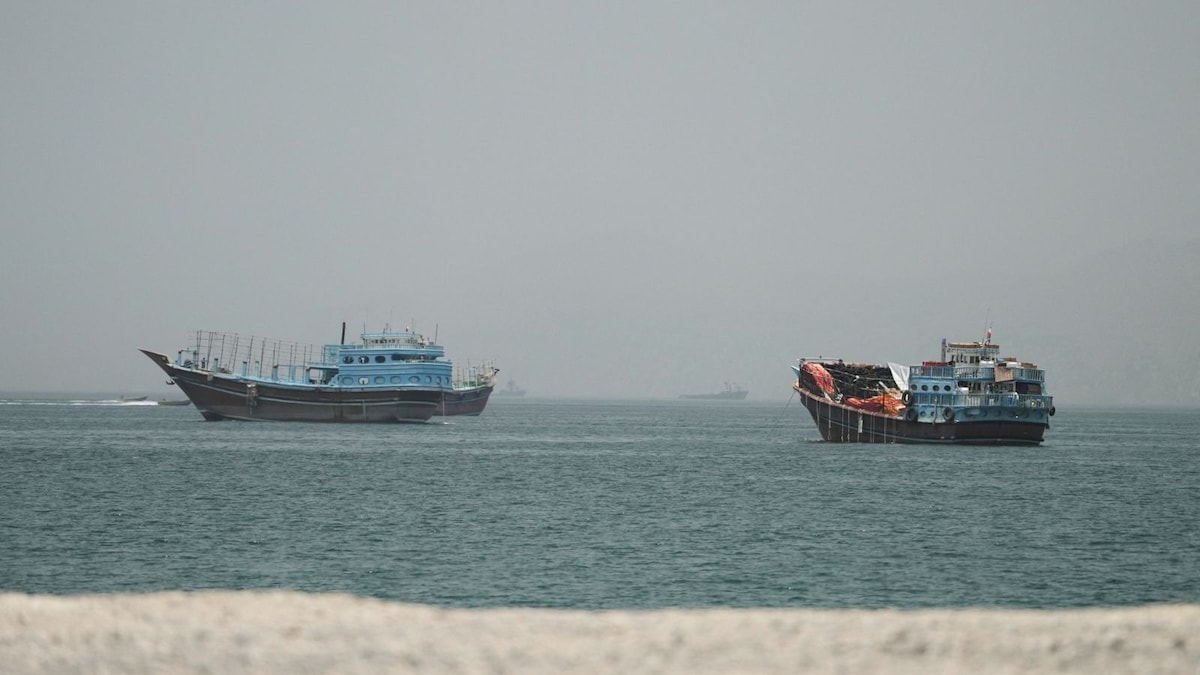
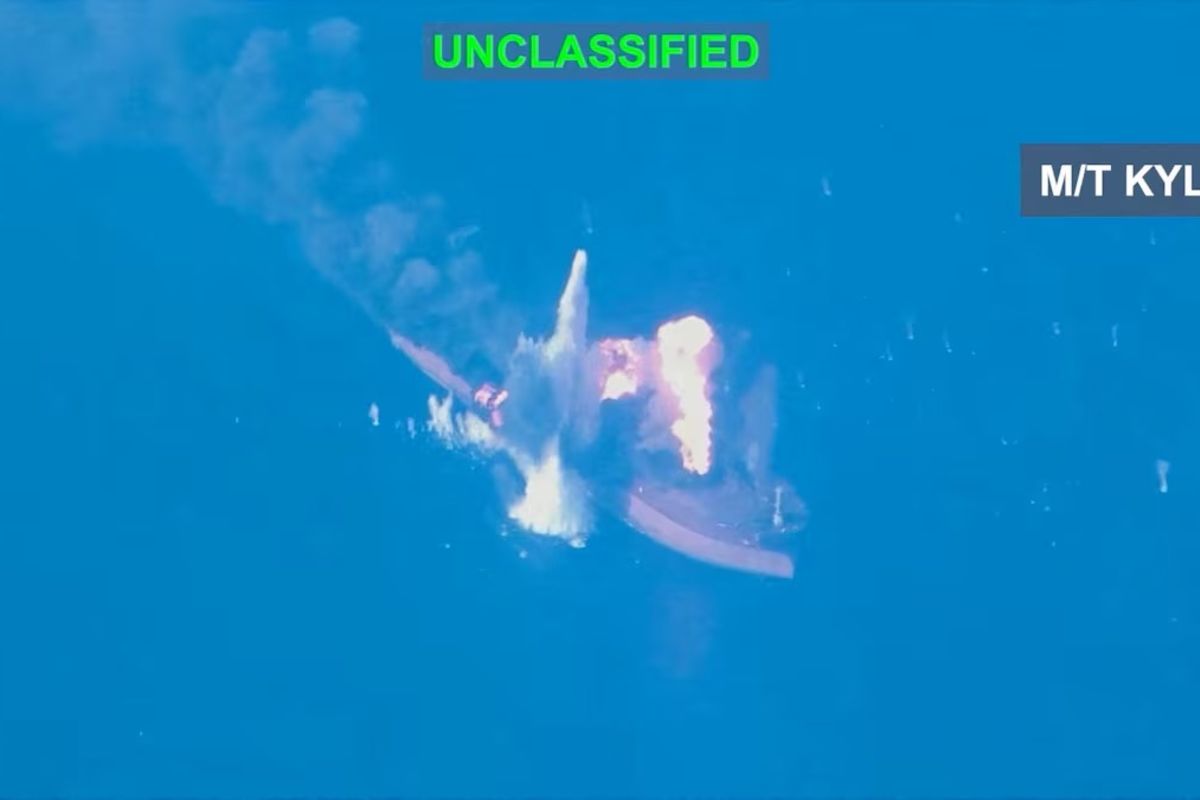
United States forces conducted strikes against Iranian infrastructure on 26 June 2026 in response to a drone attack on a cargo ship in the Strait of Hormuz. U.S. Central Command confirmed it targeted missile and drone storage sites as well as coastal radar installations within Iran. U.S. President Donald Trump characterized the incident as a violation of the interim ceasefire, noting that Iran launched at least four one-way attack drones at ships transiting the waterway. Trump stated that one drone successfully struck the upper deck of a cargo ship, causing damage, while three others were shot down. The vessel was able to continue its voyage.
The Iranian government has vehemently disputed the U.S. Characterization. Ebrahim Azizi, head of the Iranian parliament’s national security commission, rejected the claim of a violation, arguing that the recent actions constituted ceasefire management
rather than a breach. Azizi maintained that the waterway is governed by Iran. The Islamic Revolution Guard Corps (IRGC) also rejected reports of any existing direct communication channel with the United States regarding the waterway, labeling such claims as pure fabrication
and an outright lie.
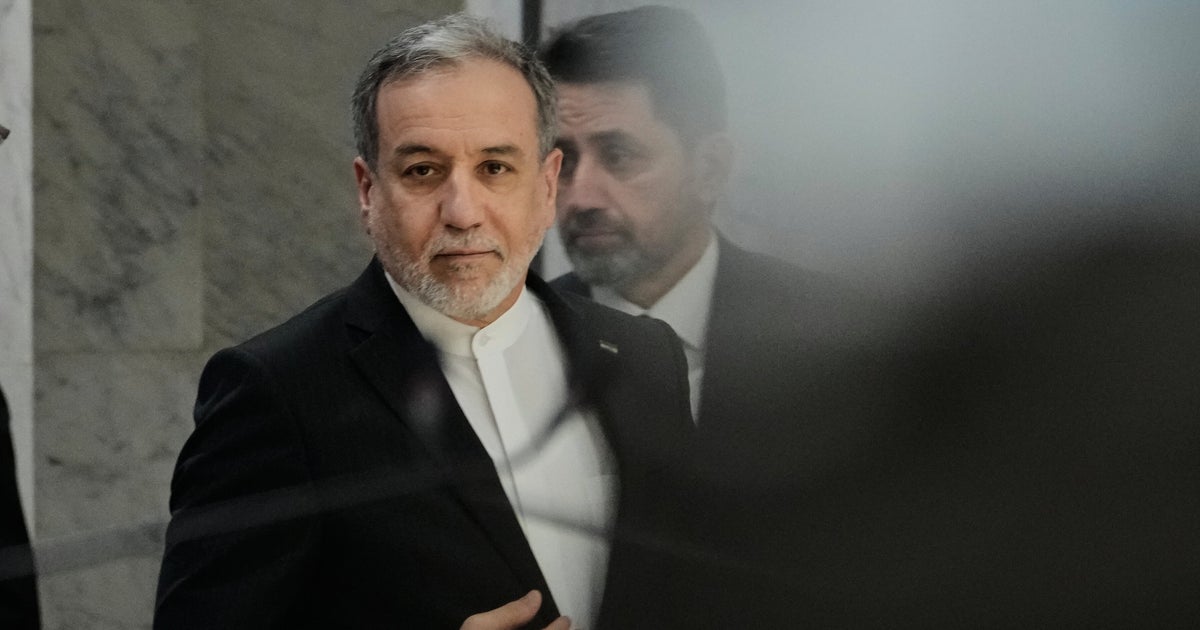
Iranian Foreign Minister Abbas Araghchi briefed his British counterpart, Yvette Cooper, on the state of negotiations, while the UAE Foreign Minister, Sheikh Abdullah bin Zayed Al Nahyan, emphasized to Araghchi the necessity of adhering to established understandings to ensure stability.
Related media


The security environment remains volatile beyond the Gulf. On 26 June 2026, an explosive drone targeted a camp belonging to an Iranian Kurdish opposition group north of Erbil, Iraq. Security sources reported that the camp had been recently evacuated, resulting in no casualties. In the West Bank, Israeli forces concluded a six-hour search operation in the settlement of Beit Aryeh following a suspected infiltration; the military ultimately cleared the area, reporting that no suspects were found.
Maritime Security and Humanitarian Impact
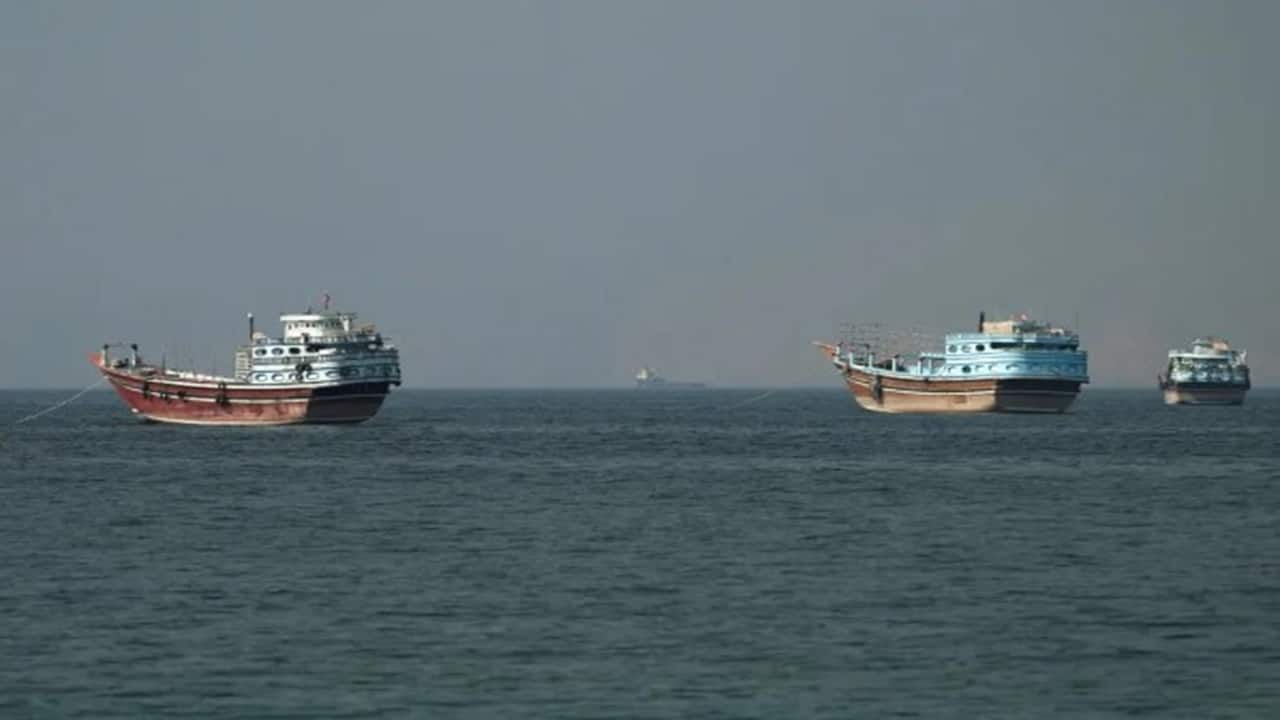
The hostilities have disrupted international efforts to clear stranded vessels from the Strait of Hormuz. Prior to the drone strike, the International Maritime Organization (IMO) had been overseeing an operation to guide ships through an alternative, safer route hugging the coast of Oman. The IMO announced a suspension of these evacuations on 26 June 2026, noting they will not resume until there are guarantees of safety. Arsenio Dominguez, Secretary-General of the IMO, stated that seafarers currently feel forgotten
amid the conflict, adding that shipping should not be treated as collateral in geopolitical disputes.
Economic and transit tensions persist, as Iran continues to assert that safe passage through the waterway cannot be guaranteed unless transit arrangements are coordinated directly with Tehran. Deputy Foreign Minister Kazem Gharibabadi warned that failure to follow the Islamabad Memorandum of Understanding could lead to the suspension of designated parallel shipping routes. This stance follows a joint statement by the U.S. And several Gulf states that rejected Iran’s insistence on charging tolls for vessels.
Humanitarian needs have prompted an emergency response. On 26 June 2026, the Japanese government announced a grant to support healthcare and food distribution in Iran, Lebanon, and the West Bank, to be administered through the International Committee of the Red Cross and the International Federation of Red Cross and Red Crescent Societies.
Diplomatic Frameworks and Regional Stance
Diplomatic efforts continue in parallel with military activity. Nada Hamadeh, Lebanon’s ambassador to the U.S., described the framework as a move toward enabling our people to go back to their land and allowing all Lebanese to live in peace, security, and prosperity.
Israeli Prime Minister Benjamin Netanyahu affirmed that Israeli forces would maintain a security zone in southern Lebanon until Hezbollah is disarmed.
Pakistan has positioned itself as a diplomatic intermediary. Prime Minister Shehbaz Sharif stated that Pakistan facilitated the ongoing 60-day roadmap for a final U.S.-Iran peace deal. Iranian Foreign Minister Abbas Araghchi acknowledged this support, noting specifically the role of Pakistan in the repatriation of 22 Iranian crew members from a vessel previously seized during the U.S. Blockade.
The International Atomic Energy Agency (IAEA) has renewed calls for a robust verification system regarding Iran’s nuclear program. Director General Rafael Grossi stressed that intentions are not enough
in international security, arguing that full access is necessary to ensure the credibility of the ceasefire, which includes provisions regarding Iran’s enriched uranium stockpile. The ceasefire is currently set for a 60-day window for negotiations, during which time the parties are tasked with finalizing details on maritime movement and nuclear verification.
How significant is this development?
Contribute your assessment to the aggregated reader intelligence ledger.
Archypedia is dedicated to independent, evidence-backed reporting. This briefing was synthesized from primary source reporting, corroborated across independent newsrooms, and verified against our Editorial Standards.
Transparency record
Evidence behind this report
This report synthesizes 5 distinct sources. Open the source ledger below to compare the underlying coverage.
Prepared under the Archypedia Editorial Policy by the Samir Haddad editorial desk profile. AI-assisted tools may support drafting and verification; public accountability remains with Archypedia. Report an error.