Israel-Egypt natural gas deal faces political pressure amid regional tensions
A natural gas agreement between Israel and Egypt faces growing political pressure as both nations navigate security concerns and diplomatic friction. Despite this scrutiny, experts note that strategic necessity continues to anchor the commercial partnership.
Energy cooperation between Israel and Egypt, a cornerstone of regional stability, faces mounting scrutiny as diplomatic relations strain under the weight of wider geopolitical conflicts. A long-term commercial agreement involving the Leviathan natural gas field—meant to supply gas to Egypt through 2040—has become a point of contention amid public rhetoric and political posturing in both nations.
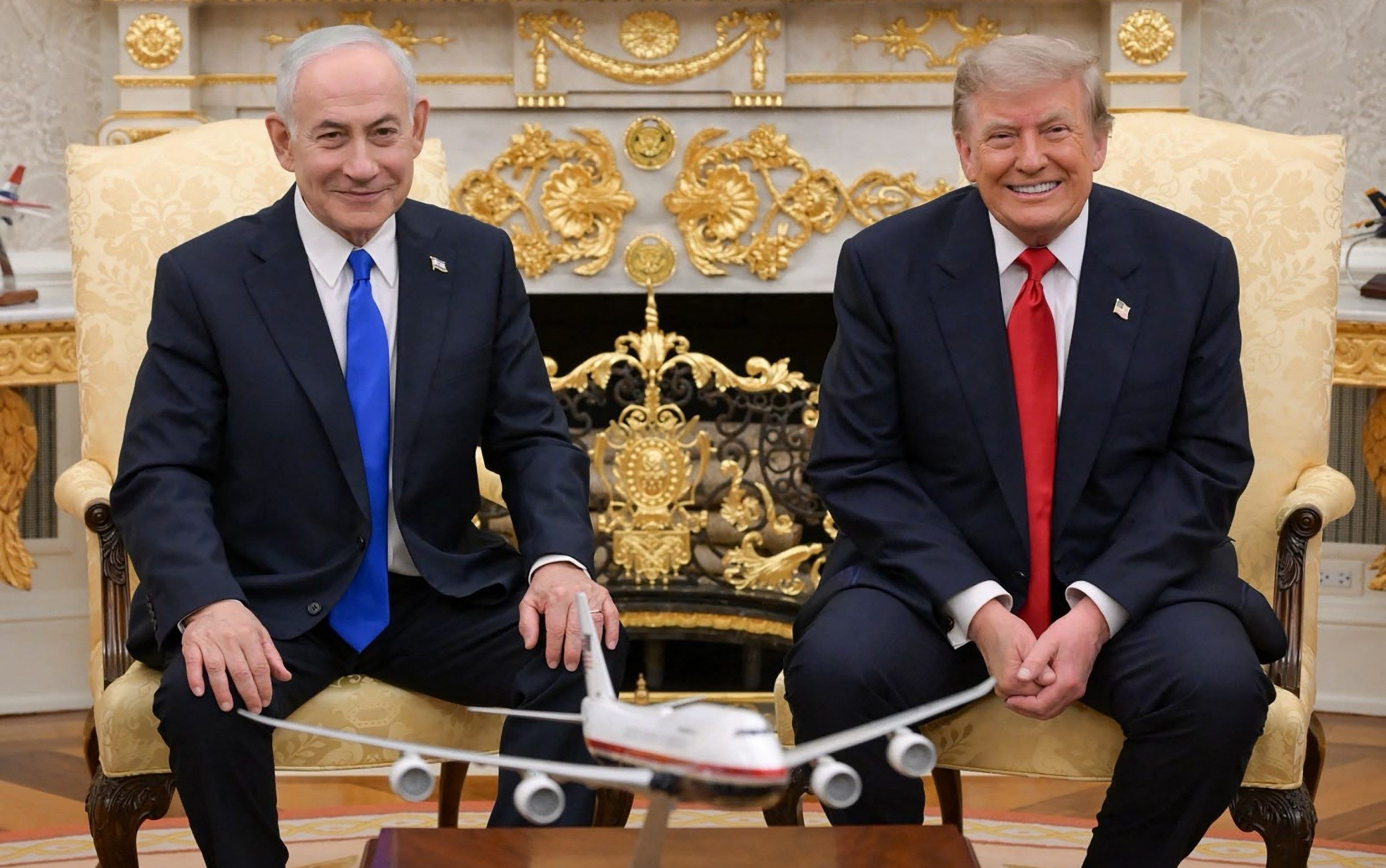
The multi-billion dollar contract, which unites energy partners Chevron, NewMed Energy, and Ratio Energies on the Israeli side with Blue Ocean Energy in Egypt, remains technically operational. However, the agreement has recently faced political headwinds. Following reports in the media, Prime Minister Benjamin Netanyahu instructed his energy minister to re-examine the gas deal, citing concerns over Egyptian military movements in the Sinai Peninsula, which some Israeli officials have described as a violation of the 1979 Camp David Accords. Egypt has formally maintained that its security presence in the Sinai adheres to established protocols, including agreements reached after coordination with Israel in 2016.
The tension has been compounded by broader disagreements. In separate instances, accusations regarding the potential displacement of Palestinians from Gaza into Egypt have drawn sharp rebukes from Cairo, which characterizes such suggestions as an assault on its national security and regional stability. This diplomatic friction is mirrored in the public sphere, where media in both countries has amplified concerns over potential military escalations. Despite this, experts note that energy cooperation is largely driven by strategic necessity. Egypt, facing production challenges at its Zohr gas field, relies on Israeli imports to fuel its power grid and maintain its export commitments. Analysts suggest that the commercial nature of the agreement, overseen by international energy corporations, acts as a buffer against political interference.
Reliability concerns remain a central theme for observers. Elai Rettig of Bar-Ilan University emphasized that using gas as a tool of political leverage could undermine trust for future regional energy projects, including potential expansion plans involving Cyprus and other Mediterranean partners. Similarly, Ofir Winter of Tel Aviv University argued that the energy partnership remains a critical, shared strategic interest that has endured despite periods of intense military conflict. Economists have noted that even if supply disruptions were to occur, Egypt possesses the infrastructure to pivot toward alternative liquefied natural gas sources, albeit at a higher financial cost.
The situation in the energy sector coincides with broader regional efforts to secure stability. On 26 June 2026, Israel and Lebanon signed a framework agreement in Washington, mediated by the United States, intended to address the conflict with Hezbollah. Israeli leadership has emphasized that the Lebanese framework is a performance-based agreement, contingent upon the disarmament of Hezbollah and the restoration of control to the Lebanese Armed Forces.
As of late June 2026, the Leviathan gas deal continues to function, with stakeholders emphasizing that the underlying logic of regional energy interdependence remains intact. While political pressure persists, both Cairo and Jerusalem continue to weigh the economic and strategic consequences of altering the status quo. The path forward for the energy agreement, much like the broader regional diplomatic framework, remains dependent on the ability of both nations to manage intense political pressures while protecting core economic and security interests.
How significant is this development?
Contribute your assessment to the aggregated reader intelligence ledger.
Archypedia is dedicated to independent, evidence-backed reporting. This briefing was synthesized from primary source reporting, corroborated across independent newsrooms, and verified against our Editorial Standards.
Transparency record
Evidence behind this report
This report synthesizes 6 distinct sources. Open the source ledger below to compare the underlying coverage.
Prepared under the Archypedia Editorial Policy by the Samir Haddad editorial desk profile. AI-assisted tools may support drafting and verification; public accountability remains with Archypedia. Report an error.