AirPods Max Condensation Lawsuit Largely Dismissed by NY Judge
A federal judge in New York has narrowed a class-action lawsuit regarding moisture buildup in Apple's AirPods Max, dismissing claims from one of the lead plaintiffs.
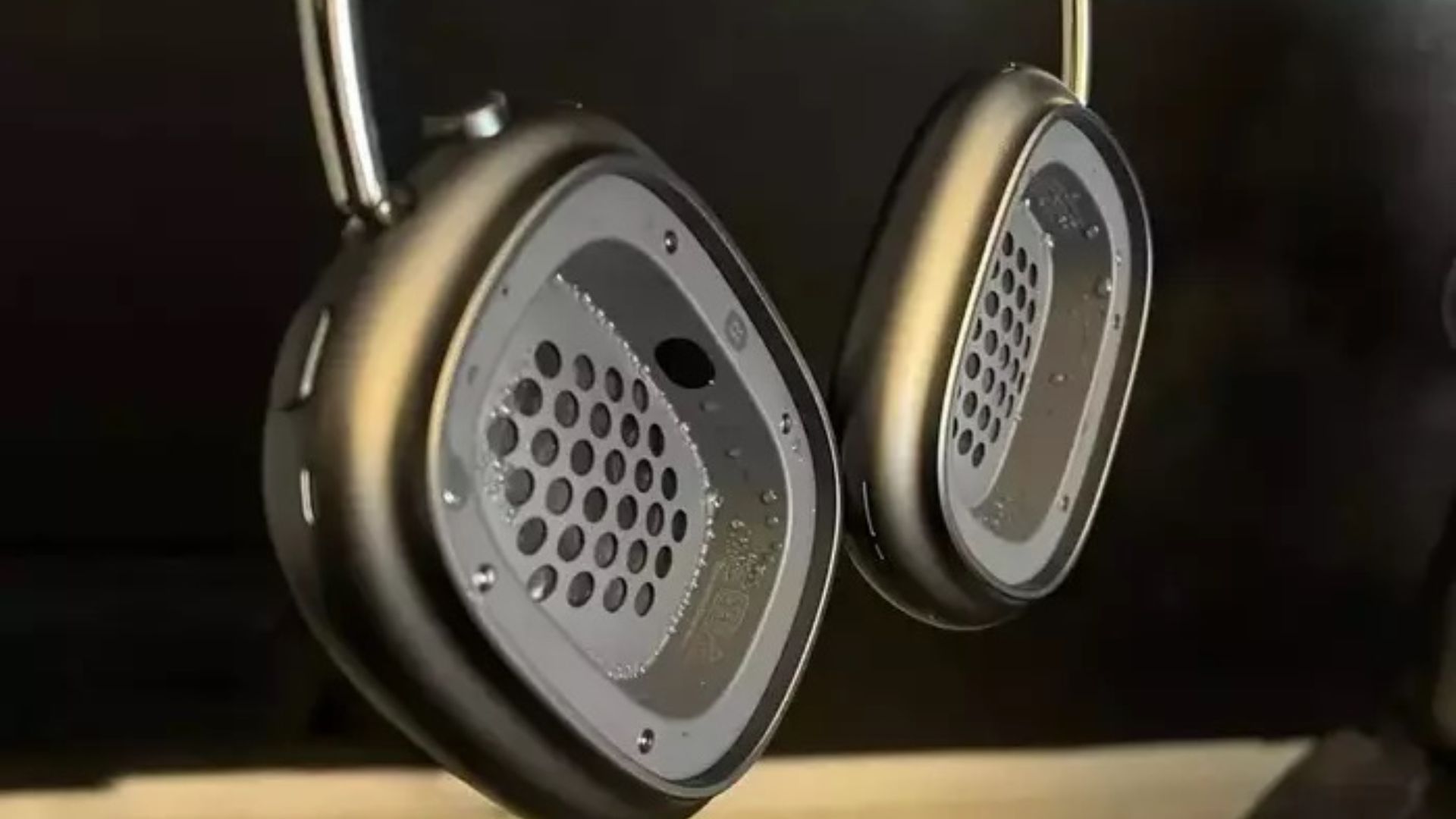
A federal judge in the Eastern District of New York has significantly narrowed a proposed class-action lawsuit concerning moisture accumulation in Apple’s AirPods Max headphones. In an order issued on Monday, Judge Orelia E. Merchant dismissed the majority of claims brought against the company, effectively removing one of the two original plaintiffs from the litigation with prejudice.
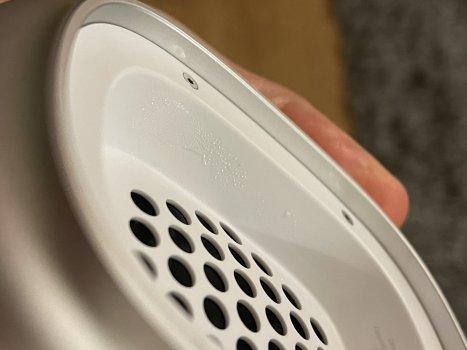
The lawsuit, first filed in April 2025, alleged that condensation builds up inside the AirPods Max ear cups during normal indoor use, which can degrade sound, break ear detection and active noise cancellation, and interfere with charging. The plaintiffs claimed that Apple was aware of the issue as early as 2018, but stayed quiet. While some users have referred to the phenomenon as condensation death
in online forums, the legal challenge sought to hold Apple accountable for alleged design defects.
Related media


Judicial Rulings and Legal Standing
Judge Merchant’s decision focused on the requirements of the implied warranty of merchantability. Regarding the claims brought under New York law, the court ruled that the standard does not require a product to be perfect, but rather that it must meet a minimal level of quality.
Because the New York-based plaintiff, Arthur Apicella, admitted that he was able to use the headphones to watch a movie, the court determined that the device performed its intended basic function. Consequently, all claims brought by the New York resident were dismissed with prejudice, meaning they cannot be refiled.
The case continues for the second plaintiff, Dustin Amundson of Washington state. While the court also dismissed his express warranty and unjust enrichment claims, Amundson remains permitted to proceed with claims centered on Washington state’s implied warranty of merchantability and the federal Magnuson-Moss Warranty Act. Apple has argued that moisture is more noticeable on AirPods Max simply because the ear cups are magnetic and removable, and pointed to its own guidance that the headphones aren't waterproof or water resistant.
Context of the Condensation Phenomenon
Reports of moisture inside the ear cups emerged shortly after the initial launch of the AirPods Max in December 2020. Many owners report seeing condensation without experiencing any loss of functionality. Furthermore, repair data has not historically reflected a surge in water-damaged units, and no formal repair programs have been initiated by Apple to address the issue. In an earlier California case filed in February 2021, the case was settled before reaching class action status, as the lead plaintiffs settled their individual claims with Apple.
What to Watch Next
The legal process is scheduled to continue through the summer as the parties address the remaining claims. The following dates and milestones are currently pending:
- 5 August 2026: The deadline for the remaining plaintiff to request permission to amend and revive claims related to Washington state consumer-protection and fraud statutes.
- 4 September 2026: The date by which Apple must file its formal opposition to any amended complaints brought by the plaintiff.
As the case moves forward, Macrumors and 9to5mac report that while the case has been greatly reduced in scope, the core question of whether the condensation constitutes a structural defect under Washington warranty law remains to be tested in court. Other coverage outlets, including Mactrast, Appleinsider, Appleworld, and Mactech, confirm that the dismissal of the New York claims marks the most significant shift in the litigation to date.
How significant is this development?
Contribute your assessment to the aggregated reader intelligence ledger.
Archypedia is dedicated to independent, evidence-backed reporting. This briefing was synthesized from primary source reporting, corroborated across independent newsrooms, and verified against our Editorial Standards.
Transparency record
Evidence behind this report
This report synthesizes 6 distinct sources. Open the source ledger below to compare the underlying coverage.
Prepared under the Archypedia Editorial Policy by the Niko Vale editorial desk profile. AI-assisted tools may support drafting and verification; public accountability remains with Archypedia. Report an error.


