Goldman Sachs Warns Oil Could Hit $120 as Shipping Risks Rise
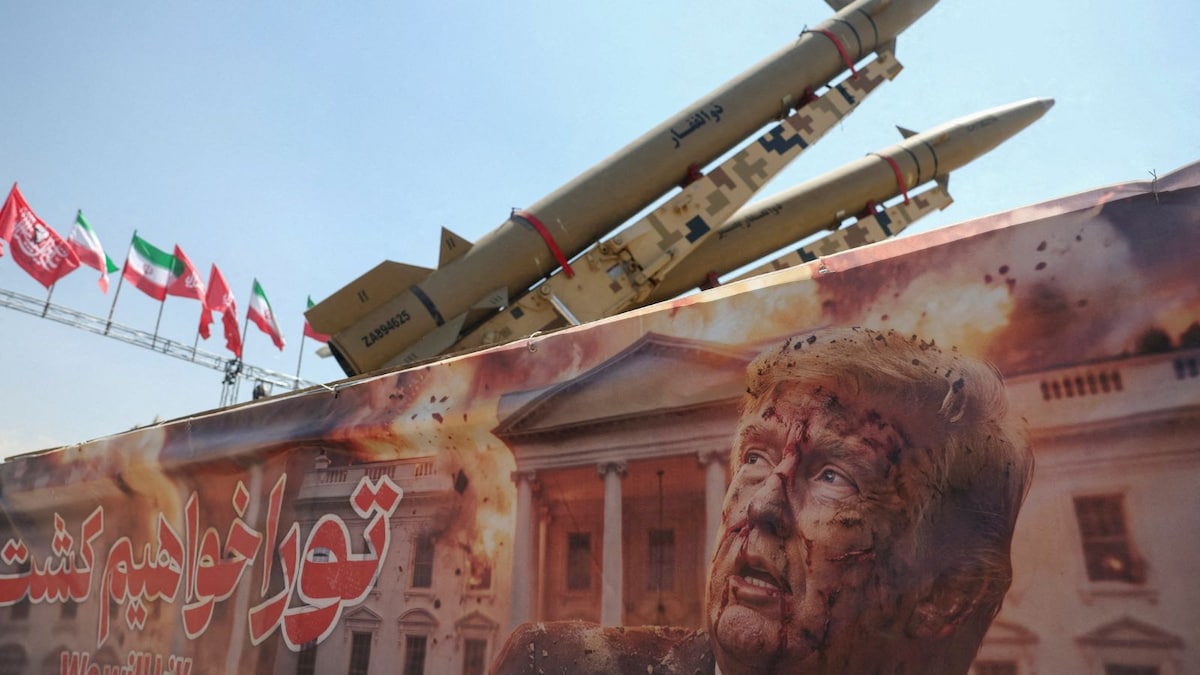
Crude prices surged near $100 per barrel as Iran announced a planned maritime exclusion zone threatening a U.S. naval blockade in the Persian Gulf.

A planned maritime exclusion zone announced by Tehran threatens to collide directly with an entrenched U.S. Naval blockade in the Persian Gulf, triggering fresh alarms across global energy markets. Crude prices have surged to levels not seen since mid-July, pushing near the $100 per barrel threshold as a month of relative calm shatters into open naval combat.
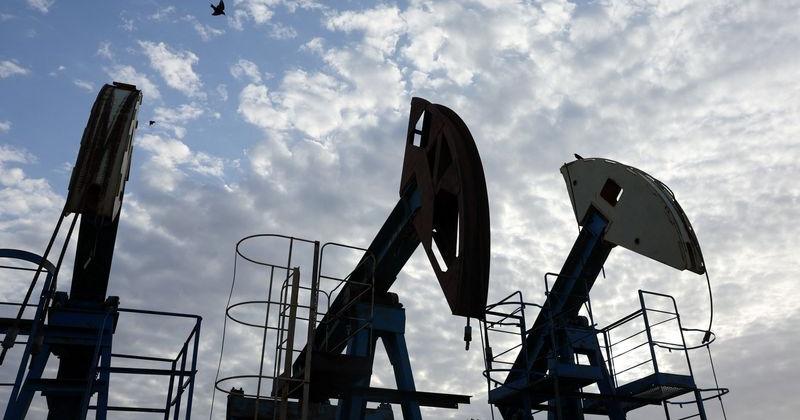
Financial institutions are scrambling to reprice risk as military exchanges intensify around the Strait of Hormuz. Commodities analysts warn that enduring shipping disruptions could drive crude as high as $120 per barrel, exposing vulnerability in global fuel and natural gas supplies.
Related YouTube video
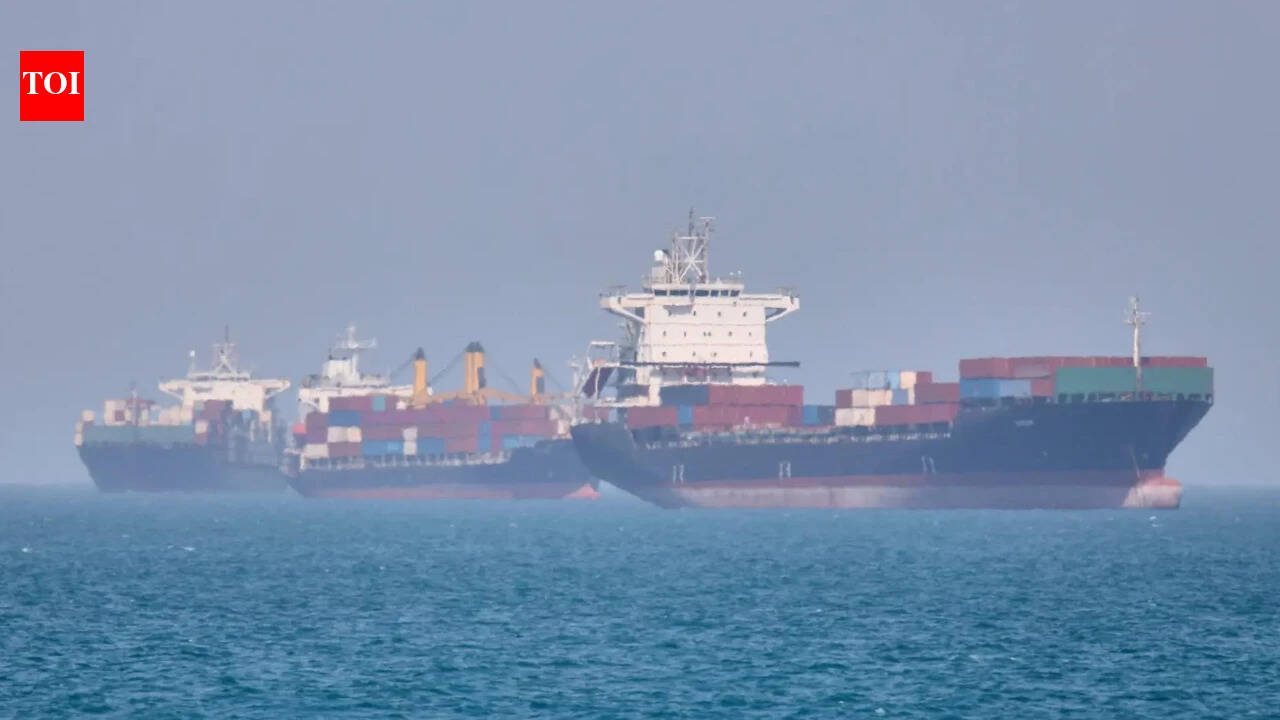

Exclusion Zone and Naval Standoff
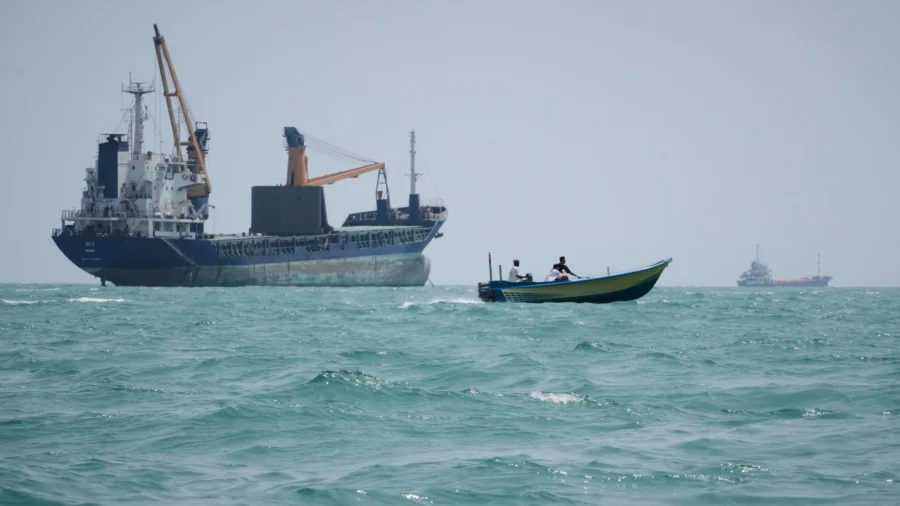
The confrontation escalated when Mohsen Rezaei, the new head of Iran's Supreme National Security Council on Sunday said Tehran plans to announce an "exclusion zone” outside the Strait of Hormuz aimed at vessels it believes are attempting to transit the waterway. According to statements delivered to state broadcasters, the zone will begin from the line of the U.S. naval blockade, extend toward the Strait of Hormuz, and from this side continue into the Persian Gulf,
as reported by Yahoo News.
Under the proposed framework, any ship that enters this area with the intention of passing through the Strait of Hormuz and is identified will be placed on our sanctions list. However, precise geographic coordinates remain unverified, and Tehran has not detailed how it intends to enforce the measure against heavily armed commercial and military escorts.
This political maneuver follows a sharp military exchange over the weekend. Following Iranian ballistic missile attacks targeting U.S. Warships — described by military experts as a dangerous escalation beyond previous strikes on commercial vessels — the U.S. Military retaliated by striking three Iranian oil tankers. Separately, Iran earlier Sunday said it struck an unmanned U.S. Vessel trying to enter the Strait of Hormuz, a claim that the U.S. Military dismissed as a "total lie," according to The Times of India.
Market Projections and Energy Flows
Financial markets have reacted swiftly to the renewed hostilities. Brent Crude traded at over $97 per barrel, while the U.S. Benchmark, WTI Crude, was above $92 a barrel.
"Events over the last few days do suggest that the risk of shipping disruptions broadening and intensifying is an important one."
Daan Struyven, co-head of global commodities research at Goldman Sachs, via Oilprice.com
In gas and fuels, “the supply shocks are bigger than in the crude market,” the expert said. The broader market vulnerability is rooted in a conflict that began Feb. 28 with U.S. And Israeli strikes.
| Metric / Indicator | Reported Status | Attribution |
|---|---|---|
| Brent Crude Price | Over $97 per barrel (early Monday trading) | Oilprice.com / Bloomberg TV |
| WTI Crude Price | Above $92 per barrel | Oilprice.com |
| U.S. Naval Blockade Scale | Over 20 warships supporting; 92 commercial ships redirected; 3 disabled | U.S. Military / Associated Press |
| Average Strait Oil Flow | 9 million barrels per day (~two-thirds of pre-conflict levels) | U.S. Energy Secretary Chris Wright |
| Iranian Oil Trade Claim | 1 million to 1.5 million barrels sold daily | Mohsen Rezaei, Supreme National Security Council |
Contrasting the bleak market outlook, U.S. Energy Secretary Chris Wright offered a more stable assessment of physical throughput. On Sunday, U.S. Energy Secretary Chris Wright said that on average, 9 million barrels of oil a day are getting through the strait, which should help to relieve pressure on energy prices. Wright told CNN that with oil also flowing through pipelines in the region, “we're probably two-thirds or more of preconflict flows.” Wright acknowledged that these numbers rely entirely on U.S. Naval escorts, expressing expectation that international partners will eventually contribute to patrol efforts.
Meanwhile, Iran's Rezaei in his interview with state TV claimed that "every day we are selling one million, one and a half million (barrels), as if Iran's oil production and trade are continuing as usual.”
Diplomatic Breakdown and Regional Fallout
Efforts to de-escalate through dialogue have stalled. Rezaei voiced sharp distrust regarding the collapse of a mid-June memorandum of understanding between Washington and Tehran, which unraveled within days amid mutual accusations of non-compliance.
“We had trusted our friends in Pakistan, Qatar or Oman, thinking that since they had stepped in as mediators, one of a mediator's responsibilities is that if one side violates the agreement, they should stop them,” Rezaei said. He emphasized that Tehran is no longer willing to engage without binding external guarantees.
This diplomatic impasse runs parallel to a dual-pronged U.S. Strategy combining naval enforcement, featuring over 20 warships that have redirected 92 commercial vessels and disabled three, with targeted financial actions against foreign institutions handling Iranian capital. At least five people were killed earlier in the week during a U.S. Bombardment that returned attention to the area where a school was hit in the war's opening strikes.
As maritime tensions peak, attention turns to the impending implementation of Tehran's exclusion zone. The coming days will determine whether regional enforcement measures disrupt the remaining energy corridors or force a recalibration of naval escorts in the Persian Gulf.
Archypedia is dedicated to independent, evidence-backed reporting. This briefing was synthesized from primary source reporting, corroborated across independent newsrooms, and verified against our Editorial Standards.
Transparency record
Evidence behind this report
This report synthesizes 5 distinct sources. Open the source ledger below to compare the underlying coverage.
Prepared under the Archypedia Editorial Policy by the Samir Haddad editorial desk profile. AI-assisted tools may support drafting and verification; public accountability remains with Archypedia. Report an error.