Supreme Court rejects birthright citizenship ban and upholds trans sports laws
The Supreme Court preserved birthright citizenship under the 14th Amendment while upholding state-level bans on transgender athletes in female sports.
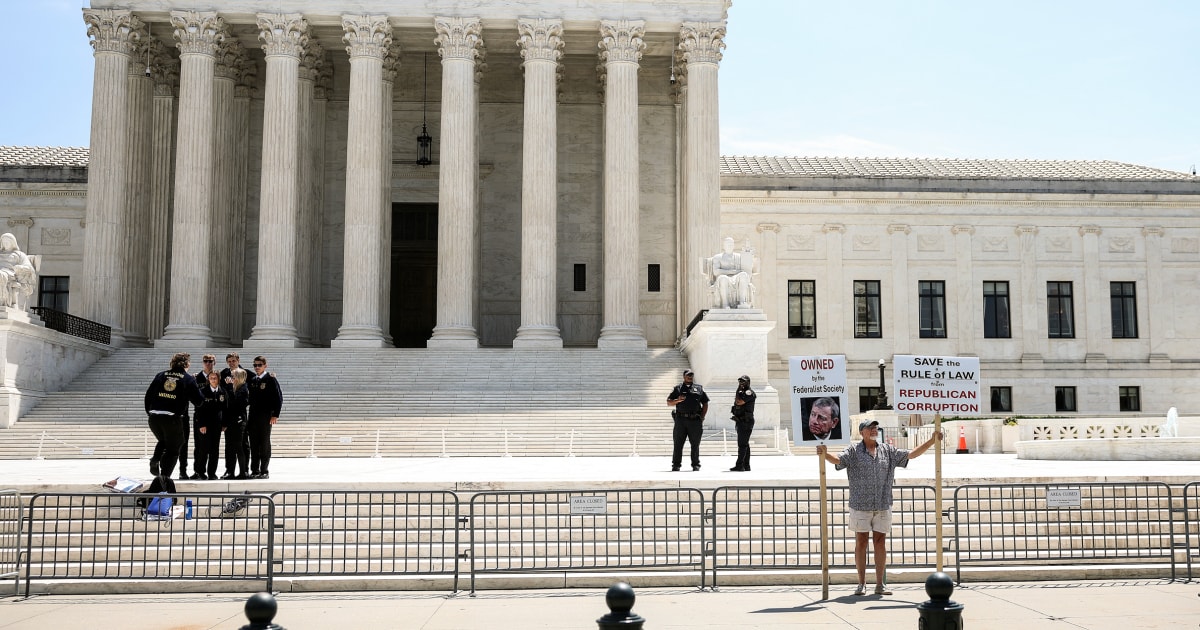
The U.S. Supreme Court delivered a pair of high-profile rulings on Tuesday, June 30, 2026, marking the final day of its current term. In a decisive rejection of presidential authority, the court blocked an executive order by President Donald Trump that sought to end birthright citizenship. Conversely, the court upheld state-level bans on transgender athletes competing in girls’ and women’s sports, solidifying a complex and often polarizing end to the judicial year.
Birthright Citizenship Ruling
The court’s decision to strike down the birthright citizenship order effectively preserved the status quo of the 14th Amendment. Chief Justice John Roberts, writing for a 5-4 majority, affirmed that children born on U.S. Soil remain citizens regardless of the immigration status of their parents. The court relied on the historical interpretation of the Constitution’s Citizenship Clause and the 1898 ruling in United States v. Wong Kim Ark, which established that birthright citizenship applies to virtually everyone born within the country’s territory.
Related YouTube video

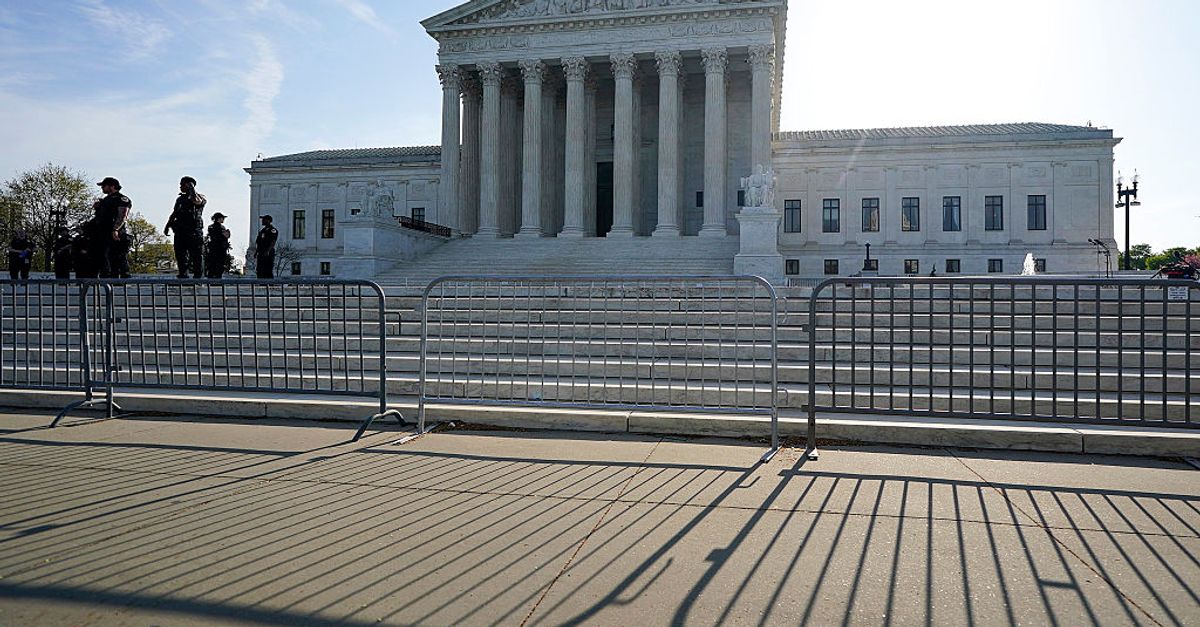
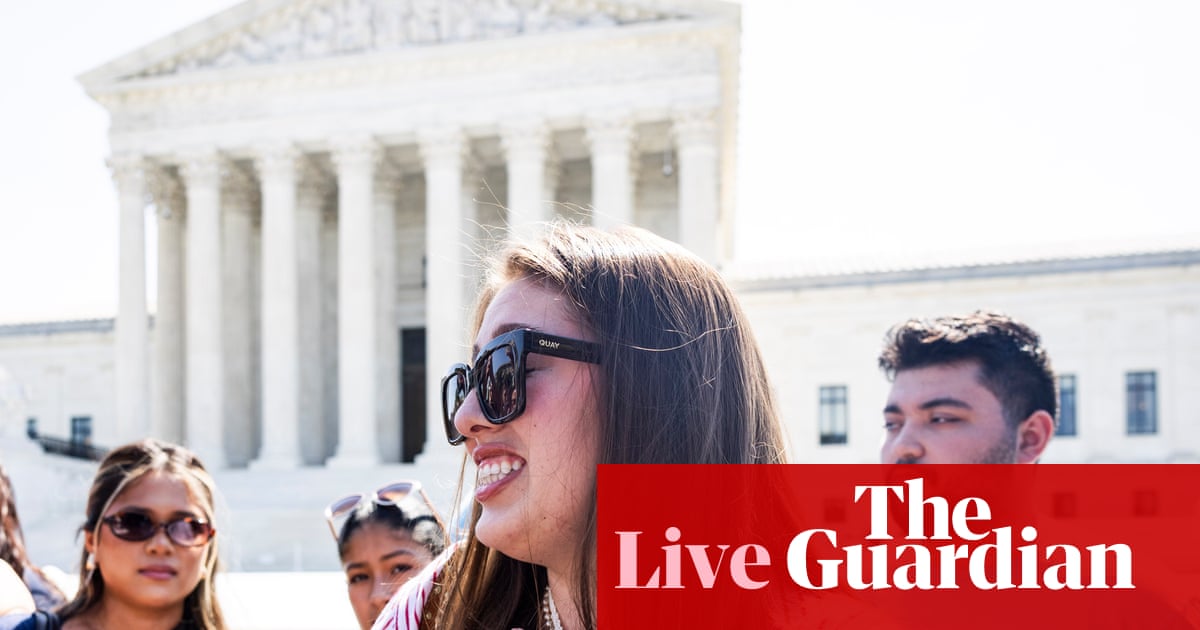
The executive order, signed by Trump on January 20, 2025, would have denied citizenship to infants born to parents who were in the country illegally or held temporary legal status. In his opinion, Roberts emphasized that the framers of the Fourteenth Amendment extended that promise to every free-born person in this land
and concluded that there was scant evidence
to support the administration’s attempt to revise that long-standing constitutional guarantee.
Justice Brett Kavanaugh joined the majority but provided a separate concurrence, grounding his vote in existing federal statute rather than the constitutional argument favored by the rest of the majority. Justices Clarence Thomas, Samuel Alito, and Neil Gorsuch dissented. Thomas argued that the court’s decision was a departure from the historical intent of the 14th Amendment and represented a move toward using the clause for political projects
not supported by the Reconstruction Congress.
Transgender Sports Legislation
In a separate 6-3 ruling, the court sided with the states of Idaho and West Virginia, upholding laws that prohibit transgender students from participating in female athletic programs. The decision enables states to enforce policies requiring that sports teams designated for females, women, or girls should not be open to students of the male sex.
Justice Sonia Sotomayor issued a vigorous dissent, highlighting the personal impact on plaintiffs such as B.P.J. She wrote that the court’s decision to avoid deeper judicial scrutiny of the equal protection implications was serious
and argued that the ruling effectively bars students from participation regardless of individual circumstances.
Broader Implications
The court also ruled on campaign finance, striking down long-standing restrictions on how national political party committees coordinate spending with candidates. The 6-3 vote, authored by Kavanaugh, determined that such limits violate the First Amendment. Justice Elena Kagan dissented, warning that the move would reopen doors to quid pro quo corruption
by allowing massive, coordinated financial influxes into specific political campaigns.
Key Developments of the Term
- Birthright Citizenship: Trump’s executive order declared unconstitutional.
- Transgender Sports: State bans upheld; the court declined to override policies in West Virginia and Idaho.
- Campaign Finance: Coordination limits on political parties struck down as unconstitutional.
- Judicial Conduct: The court officially refuted reports of Justice Alito’s retirement.
As the court adjourns for the summer recess, officials indicated that the next term, beginning in October, will address challenges to state laws banning semiautomatic rifles in Connecticut and Illinois. Meanwhile, the administration faces a renewed legislative landscape regarding immigration, with House Speaker Mike Johnson noting that Congress would need to address the challenges of birth tourism
following the court’s refusal to permit unilateral executive action on the matter.
How significant is this development?
Contribute your assessment to the aggregated reader intelligence ledger.
Archypedia is dedicated to independent, evidence-backed reporting. This briefing was synthesized from primary source reporting, corroborated across independent newsrooms, and verified against our Editorial Standards.
Transparency record
Evidence behind this report
This report synthesizes 8 distinct sources. Open the source ledger below to compare the underlying coverage.
- nbcnews.com
- apnews.com
- usatoday.com
- independent.co.uk
- scotusblog.com
- theguardian.com
- naacpldf.org
- foxnews.com
Prepared under the Archypedia Editorial Policy by the Samir Haddad editorial desk profile. AI-assisted tools may support drafting and verification; public accountability remains with Archypedia. Report an error.

