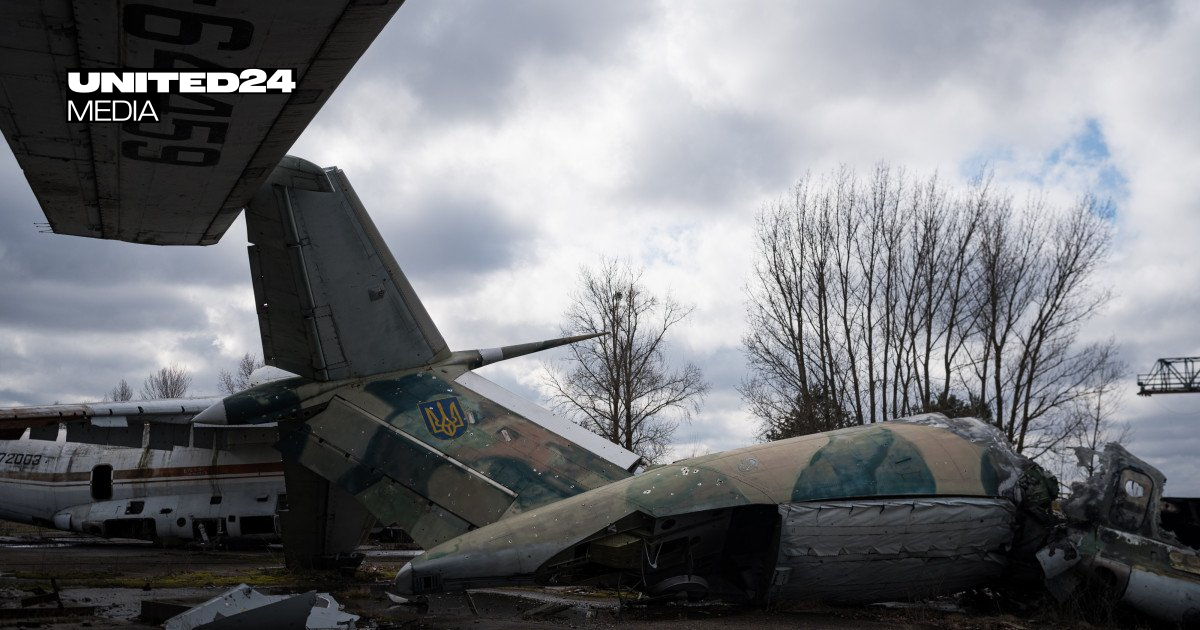
Russia says UK will pay for supplying drones to Ukraine
British-manufactured drones used by Ukrainian forces to strike Russian territory have triggered a direct diplomatic collision between London and Moscow.
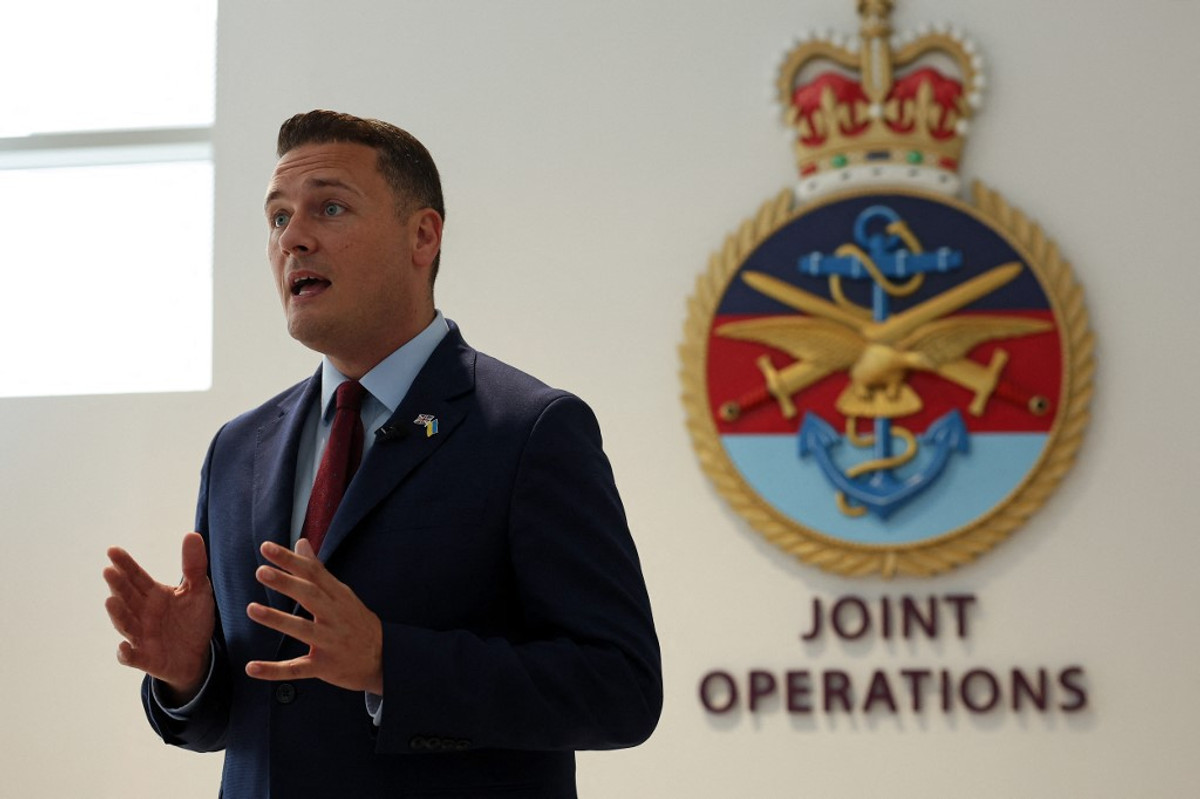
A direct diplomatic collision has erupted between London and Moscow following official confirmation that British-manufactured unmanned aircraft have struck targets deep inside Russian territory. The escalation prompted the Russian Embassy in London to issue a formal warning that the United Kingdom is acting as a co-perpetrator in cross-border attacks and will pay a higher price for its involvement, according to statements reported by the Bbc.
In swift defiance of Moscow’s warnings, the UK Ministry of Defence countered that Britain stands shoulder to shoulder with Kyiv against what it terms an illegal invasion. A UK spokesperson affirmed that the government remains resolute in providing the military equipment necessary for Ukrainian defense, as detailed by the Kyiv Post.
Related YouTube video
The diplomatic friction centers on the deployment of long-range hardware produced by British defense firms over the past six months. Among the systems identified is the jet-powered Nyan drone—a lightweight carbon-fibre aircraft with a 2.9-metre wingspan built by Callen-Lenz, a subsidiary of BAE Systems. Launched via a pneumatic catapult, these platforms carry an estimated 20-kilogram payload over an operational radius of roughly 150 miles, according to reporting by International Business Times. Ukrainian forces have used these systems alongside weaponry from a second, confidential British aerospace firm to strike oil refineries in Volgograd and Yaroslavl, as well as fuel depots in the Kamensky District of the Rostov Region.
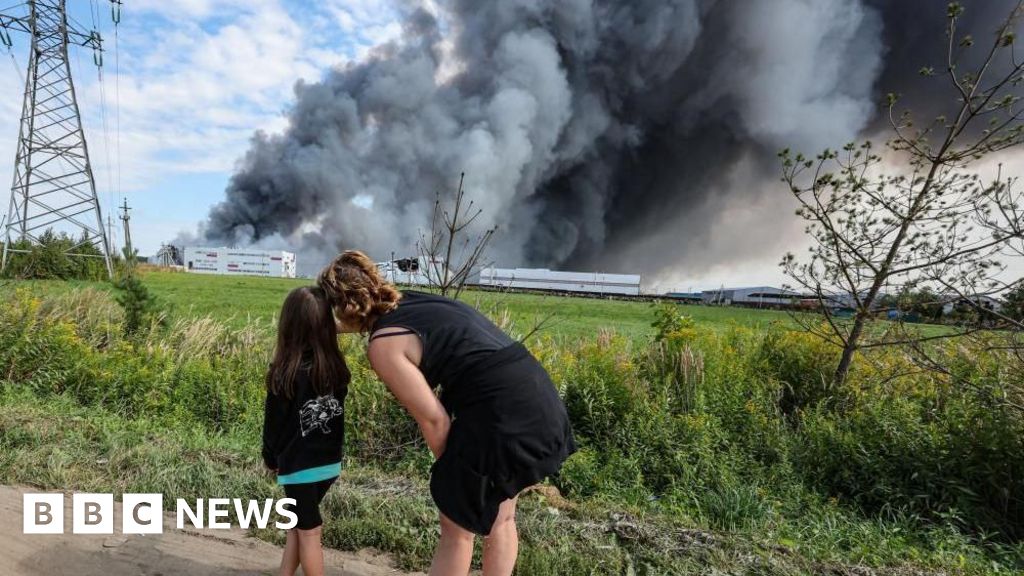
This tactical deployment coincides with an unprecedented volume of cross-border aerial exchanges. Russian officials reported that Ukraine launched approximately 822 drones in a single weekend night, with 600 targeting Moscow in what regional authorities described as one of the most massive aerial assaults in recent memory. A subsequent wave involved roughly 620 drones directed toward the Russian capital, where air defenses destroyed more than 180 units while several individuals sustained injuries. Industrial hubs have increasingly borne the brunt of these operations, including a logistics complex and warehouse operated by the e-commerce retailer Wildberries at the Koledino Industrial Park near Podolsk, which suffered a fire and minor structural damage. Russian state assessments cited by international outlets estimate that ongoing deep strikes have inflicted more than £35 billion in economic damage.
Retaliatory strikes by Russian forces have simultaneously pounded Ukrainian settlements. In Zaporizhzhia, regional governor Ivan Fedorov reported that Russian forces launched 1,158 strikes across 59 settlements in a 24-hour window, leaving at least two people dead and four others injured. Separate overnight barrages across Ukraine killed at least seven individuals and wounded more than 39 others.
Moscow’s state apparatus has reacted sharply to the integration of British technology into these campaigns. Russian foreign ministry spokeswoman Maria Zakharova condemned the use of UK components and configurations in attacks on Russian soil. Meanwhile, commentators on state television have explicitly called for retaliatory measures against Western infrastructure, invoking experimental systems such as the Poseidon underwater nuclear drone, as noted by International Business Times.
Despite these warnings and accusations from Moscow that London is deliberately opting for an escalation of the crisis, Downing Street shows no sign of altering its assistance schedule. British defense commitments remain anchored by past pledges to deliver over 150,000 drones by the end of 2026, alongside a broader financial support package totaling £16 billion since the full-scale invasion began in February 2022.
Observers are closely monitoring whether Moscow transitions its televised threats and diplomatic warnings into concrete retaliatory actions against Western infrastructure, or if London's long-term equipment delivery schedule proceeds unaffected.
Escalating Aerial Campaigns and Industrial Toll
The tactical integration of British-supplied hardware into Ukrainian operations follows a broader pattern of escalation involving long-range unmanned systems across the region. According to reporting by the BBC, Ukrainian forces used weekend barrages to launch approximately 822 drones in a single night, directing roughly 600 toward Moscow in what regional authorities characterized as one of the most massive aerial assaults of the conflict. A subsequent wave involved approximately 620 drones targeted at the Russian capital, overwhelming air defenses and resulting in injuries to several individuals as detailed by Daily Times.
Industrial infrastructure inside Russia has borne the brunt of these multi-day aerial campaigns, with retail and energy nodes sustaining heavy operational disruption.
- Warehouses and logistics complexes operated by the online retailer Wildberries at the Koledino Industrial Park near Podolsk suffered fires and minor structural damage, as reported by regional governor Andrey Vorobyov via Telegram.
- Ukrainian officials state that seven out of ten of the largest Wildberries logistics centres have now been "disabled".
- Cross-border deep strikes have inflicted more than £35bn in economic damage across Russian districts, according to international assessments cited by the International Business Times.
Concurrently, Russian forces have maintained relentless retaliatory bombardments against Ukrainian population centers. In the Zaporizhzhia region alone, regional governor Ivan Fedorov reported a total of 1,158 strikes across 59 settlements within a 24-hour window, leaving at least two people dead and four others injured. Separate overnight barrages across the country killed at least seven individuals and injured more than 39 others, compounding the humanitarian toll as both capitals expand their long-range operational reach.
Observers tracking the diplomatic fallout note that the next step depends heavily on whether Moscow translates its televised threats and official warnings into concrete retaliatory actions against Western infrastructure, or whether Downing Street proceeds unhindered with its long-term equipment delivery schedule.
How significant is this development?
Contribute your assessment to the aggregated reader intelligence ledger.
Archypedia is dedicated to independent, evidence-backed reporting. This briefing was synthesized from primary source reporting, corroborated across independent newsrooms, and verified against our Editorial Standards.
Transparency record
Evidence behind this report
This report synthesizes 6 distinct sources. Open the source ledger below to compare the underlying coverage.
Prepared under the Archypedia Editorial Policy by the Samir Haddad editorial desk profile. AI-assisted tools may support drafting and verification; public accountability remains with Archypedia. Report an error.