Russia strikes Kyiv airports ahead of planned visit by US envoys
Russia targeted Boryspil and Zhulyany airports after Ukraine offered to suspend aerial strikes to facilitate the arrival of a US diplomatic delegation.
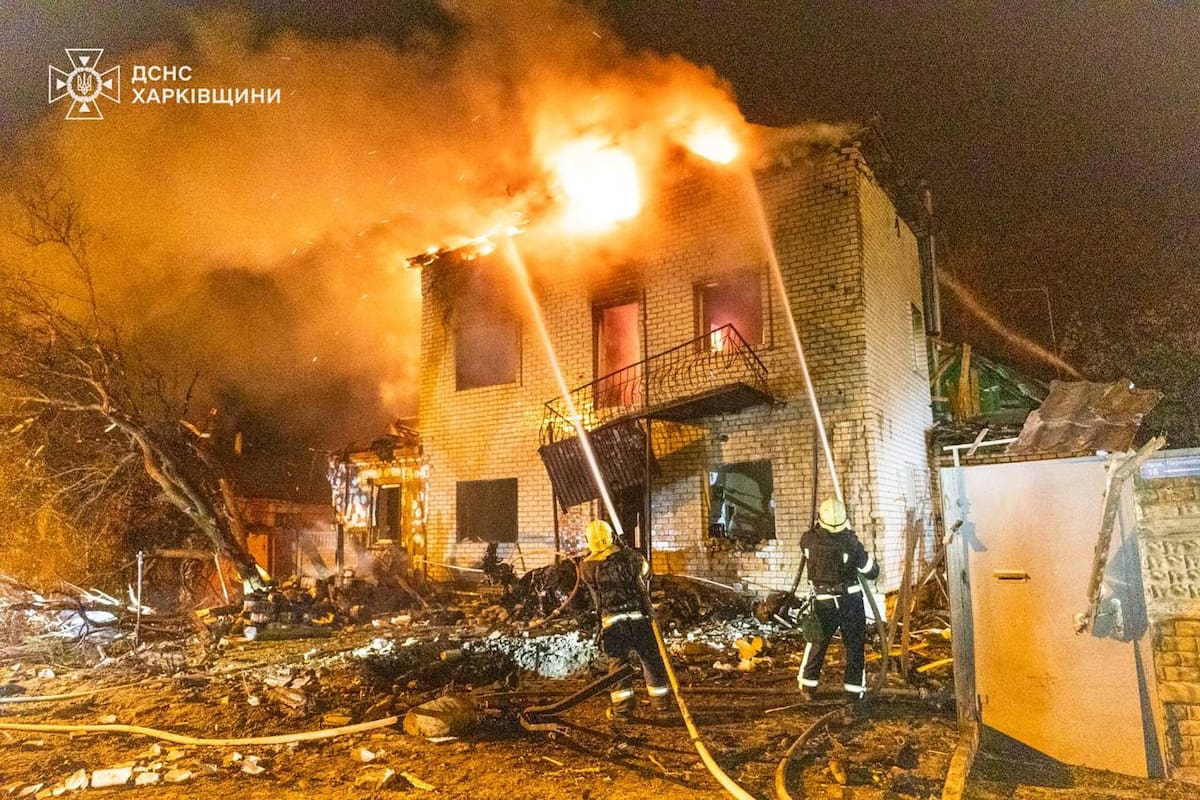
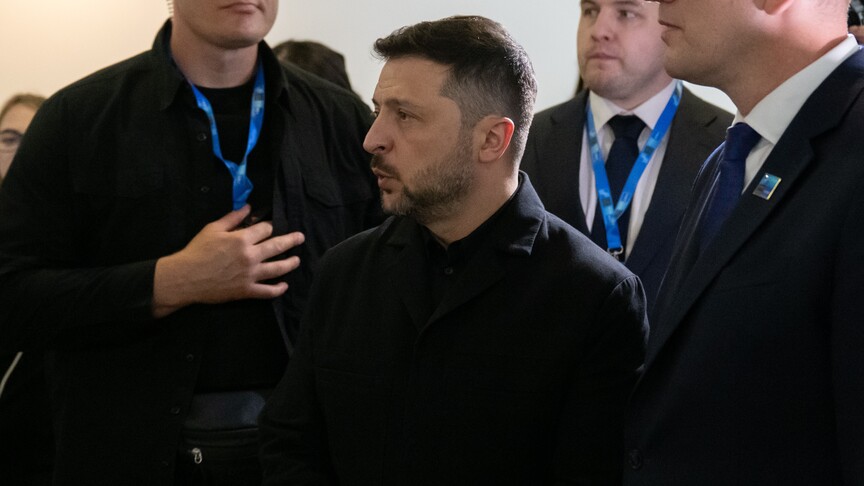
President Volodymyr Zelenskyy had offered to suspend Ukrainian aerial strikes against Russia to ensure the safe passage of a high-level American diplomatic delegation. Overnight on September 5, Russia responded by launching a wave of ballistic missiles and 167 drones, specifically targeting the airports in Kyiv and Boryspil.
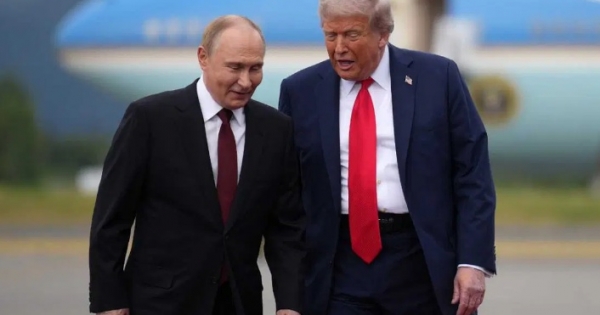
The strikes occurred as Steve Witkoff, special envoy for US President Donald Trump, and Jared Kushner, the US President's son-in-law, were reportedly preparing to fly from Moscow to Kyiv. Zelenskyy described the attacks as demonstrative
and deliberate
, asserting they were a direct reaction to the logistical preparations for the envoys to land at either Kyiv International Airport or Boryspil International Airport.
Related YouTube video
Diplomatic Logistics and Russian Rebuttal
The timing of the strikes highlights a sharp contrast in the envoys' engagement with the warring parties. According to Anadolu Agency, Witkoff and Kushner have made several trips to Moscow since US-mediated talks began, including a meeting with Vladimir Putin at the Kremlin on January 22. However, this weekend marked their first attempted visit to Kyiv.
To facilitate the arrival of the delegation on Sunday, September 6, Ukraine had proposed a temporary ceasefire. Kyrylo Budanov, Head of the Presidential Office, told Suspilne that Kyiv offered to halt both hostilities along the front line and long-range strikes, a proposal sent directly to Putin. While Moscow did not respond to the offer, the Russian military targeted the very infrastructure being discussed for the envoys' arrival.
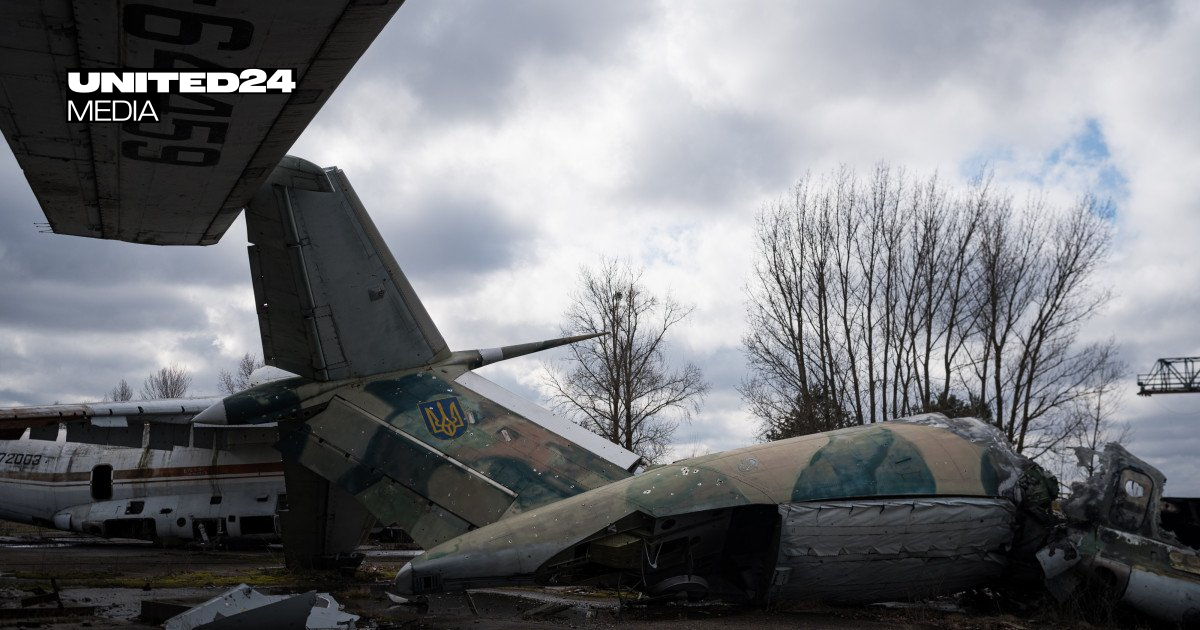
At Zhulyany airport in the city, a drone hit two old Soviet-era aircraft. A Ukrainian MP noted that while the envoys were close to agreeing on a landing at Boryspil, the strikes shifted the logistical calculus. Zelenskyy characterized the use of Russian-Iranian Shahed drones as a response to American diplomacy
.
Human and Industrial Cost of the Overnight Wave
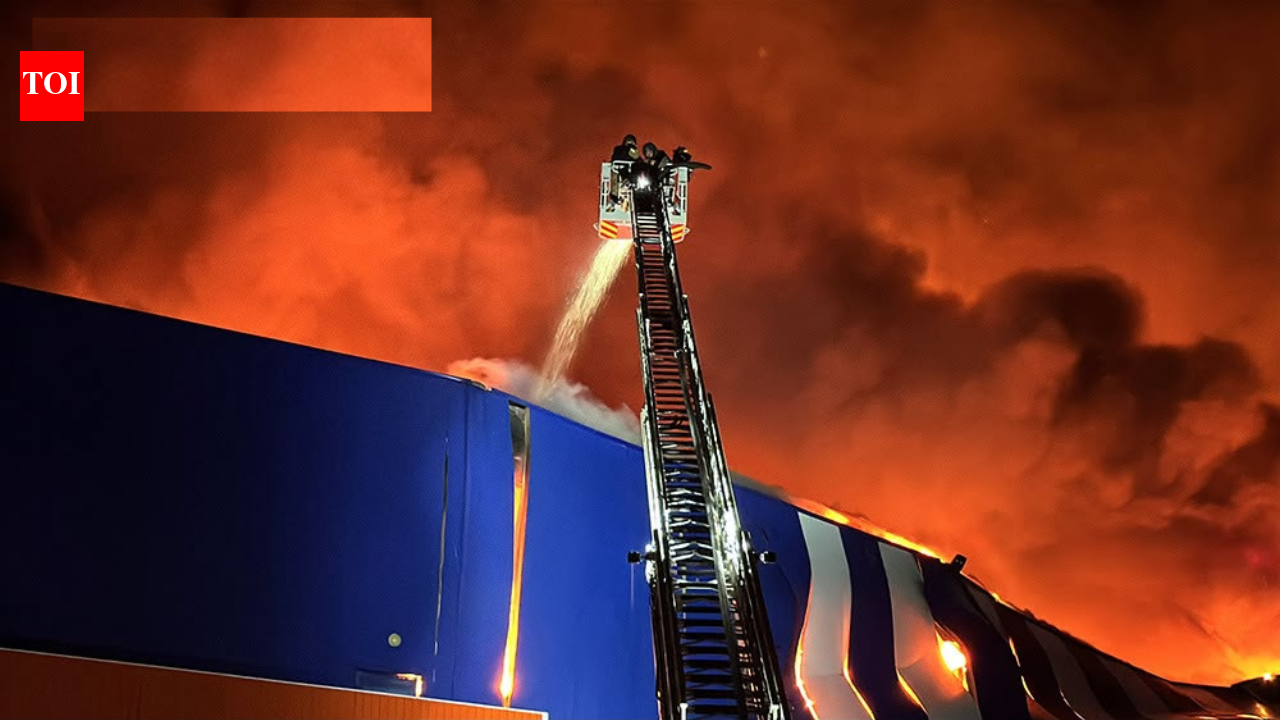
The airport strikes were part of a larger coordinated assault across multiple Ukrainian regions. The Ukrainian Air Force reported that Russia deployed 167 attack drones — including Geran, decoy, and jet-powered Shahed-type aircraft — alongside ballistic missiles launched from the Rostov and Voronezh regions. Ukrainian defenses suppressed or shot down 128 of the drones.
The human toll was concentrated in several cities, with reports of casualties and infrastructure damage:
| Location | Impact/Casualties | Details |
|---|---|---|
| Kamianske (Dnipropetrovsk) | 4-5 killed, 5 wounded | Strike on a civilian industrial/metallurgical plant |
| Mykolaiv | 2 wounded | Drone strike on a shopping mall; victims include a 72-year-old man and a 17-year-old girl |
| Sumy | Damage reported | Drone strike on shopping centers |
| Kherson, Boryspil, Kharkiv | Property damage | Residential buildings hit |
A specific point of contention has emerged regarding the strike in the Dnipro region. The Russian Defence Ministry claimed its forces hit two metallurgical plants that served as major suppliers of metal products for Ukraine’s military production
. However, the steel producer Metinvest, reporting via The Moscow Times, stated the Kamet Steel plant produced pig iron and steel exclusively for civilian purposes
and that the attack forced a total halt to operations.
Implications for Airspace Operations
The strikes have fundamentally altered the immediate security environment for diplomatic travel. Ukraine's airspace has remained closed since the full-scale invasion began in February 2022, making any planned flight for US envoys a high-risk exception requiring mutual restraint.
Zelenskyy maintained that Ukraine remains interested in peace and poses no threat to the American delegation. However, he explicitly linked the Russian strikes to a change in Ukrainian military behavior. He warned that because Russian airspace has become dangerous because of our drones and missiles in the sky,
Kyiv will now adjust its operations in that airspace starting next week.
The immediate focus remains on whether the visit by Witkoff and Kushner will proceed as scheduled on September 6, and under what security guarantees, given that Russia has now targeted the primary points of entry for the delegation.
Russian Aerial Strategy and Diplomatic Barriers
The logistical friction surrounding the visit of Steve Witkoff and Jared Kushner is underscored by a stark disparity in their access to the belligerents. While the two envoys have made several trips to Moscow since US-mediated talks began, including a meeting with Vladimir Putin at the Kremlin on January 22, they have never visited Kyiv, according to Anadolu Agency and the Saudi Gazette.
The overnight assault on September 5 disrupted a fragile arrangement. To ensure the delegation's safe arrival on Sunday, September 6, Zelenskyy had offered on Friday to ensure the normal functioning of Russian airspace
and suspend all Ukrainian airstrikes. This effort to revive peace talks was met with a wave of 167 drones, approximately half of which were jet-powered, and ballistic missiles.
The scale of the attack suggests a broader strategic objective than mere sabotage. While the Ukrainian Air Force successfully suppressed or shot down 128 drones, the remaining strikes targeted both military-adjacent infrastructure and civilian centers. In Mykolaiv, the strike on a shopping mall wounded a 17-year-old girl and a 72-year-old man, as reported by the Times of India.
The Russian Ministry of Defence maintains that its targets in the Dnipropetrovsk region were metallurgical plants acting as major suppliers of metal products for Ukraine’s military production
. This contrasts with the account from Metinvest, which described the Kamet Steel plant as a civilian asset whose total operational halt now impacts the production of pig iron and steel.
With the airport strikes having shifted the landing calculus for the US delegation, Zelenskyy has signaled a military pivot. He warned that because Russian airspace is now dangerous because of our drones and missiles in the sky,
the next step for Kyiv is to adjust its operations in that airspace starting next week.
Archypedia is dedicated to independent, evidence-backed reporting. This briefing was synthesized from primary source reporting, corroborated across independent newsrooms, and verified against our Editorial Standards.
Transparency record
Evidence behind this report
This report synthesizes 6 distinct sources. Open the source ledger below to compare the underlying coverage.
- united24media.com
- timesofindia.indiatimes.com
- themoscowtimes.com
- aa.com.tr
- saudigazette.com.sa
- yahoo.com
Prepared under the Archypedia Editorial Policy by the Samir Haddad editorial desk profile. AI-assisted tools may support drafting and verification; public accountability remains with Archypedia. Report an error.