Drone Strikes Hit Saudi Arabia’s Vital East
Twin blows to energy infrastructure and maritime security have pushed crude prices above $100 a barrel while displacing over 46,000 people in Yemen.

CAIRO — Saudi Arabia shut down its vital East-West oil pipeline on Friday, taking its primary bypass around the choked Strait of Hormuz offline just a day after drone strikes hit its pumping infrastructure, according to Cbc and ctvnews.ca. Simultaneously, Yemen's Iranian-backed Houthi rebels seized Mayun Island at the southern entrance to the Red Sea, executing their largest territorial gains in years along the Bab el-Mandeb Strait, as reported by cbc.ca and ctvnews.ca. The twin blows have opened a severe new front in the regional conflict, compounding the squeeze on global energy markets as crude prices surge above $100 a barrel according to cbc.ca.
The sudden escalation deepens the economic pressure on Riyadh as its alternative shipping routes face mounting jeopardy. Before the precautionary shutdown ordered by the Saudi Ministry of Energy, the pipeline had been carrying more than 5 million barrels per day toward Yanbu on the Red Sea out of a total pumping capacity of approximately 7 million bpd, according to Oilprice and cbc.ca. With the Strait of Hormuz severely disrupted by Iranian activity, the kingdom's efforts to reroute crude through the Red Sea and onward to the Mediterranean have encountered fierce resistance from Houthi forces, who struck a Saudi vessel in the northern Red Sea in late August and declared a blockade on shipping.
Related YouTube video
Pipeline Damage and Satellite Verification
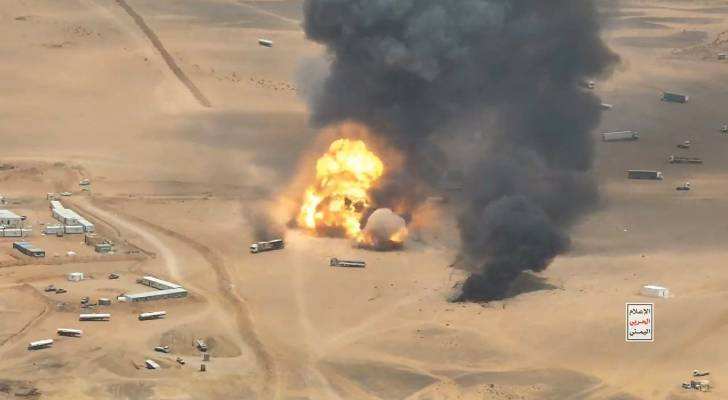
The physical toll on Saudi Arabia's energy network became visible as satellite data and intelligence assessments traced the aftermath of Thursday's drone assault. According to Oilprice, NASA FIRMS detected multiple large fires near the pipeline corridor, while Sentinel-3 imagery revealed a massive plume of black smoke stretching across western Saudi Arabia. An initial U.S. Assessment cited by CNN via oilprice.com confirmed that projectiles struck pumping stations situated alongside the pipeline trunk.
Satellite imagery obtained by CNN and reported by oilprice.com showed extensive fire damage at a pumping station near Al Mesba'ah, alongside a separate fire and thick black smoke at a station near Al Dhekra. Industry analysts noted that while confirmation of damage to the physical pipeline trunk remains pending, repairing targeted pumping infrastructure could take considerably less time than fixing a fully ruptured line. The facility was built in the 1980s to secure oil exports against regional disruptions according to Cbc and Ctvnews.
Geopolitical Friction and Iraqi Launch Points
Diplomatic friction spiked as regional governments assigned blame for the cross-border strikes. One U.S. Official stated that the attacking drones originated from Iraq, a finding echoed by foreign ministries in Bahrain and Saudi Arabia, as noted by oilprice.com, cbc.ca, and aljazeera.com. In response to the security threat, Baghdad ordered the precautionary closure of the Shalamcheh border crossing with Iran, according to aljazeera.com.
In a statement carried by the state-run Saudi Press Agency, Riyadh declared it would not immediately respond in order to give the Iraqi government an opportunity to take the necessary measures, as reported by cbc.ca and Ctvnews. This restraint contrasts sharply with joint U.S. And Saudi airstrikes conducted against Iraqi militias in July following similar incidents. Regional officials told The Associated Press that the Houthis helped the Iraqi militias plan and execute the attacks according to cbc.ca and ctvnews.ca.
| Infrastructure / Asset | Status / Impact |
|---|---|
| East-West Oil Pipeline | Shut down as a precautionary measure following drone strikes on pumping stations near Al Mesba'ah and Al Dhekra. |
| Mayun Island (Perim) | Seized by Houthi forces in the Bab el-Mandeb Strait, choking Red Sea shipping routes. |
| Shalamcheh Border Crossing | Closed by Iraqi authorities following the pipeline attack. |
| Mokha Airport | Struck by Saudi air forces after Houthi forces captured the port city. |
Humanitarian Crisis and the Collapse of Yemen's Truce
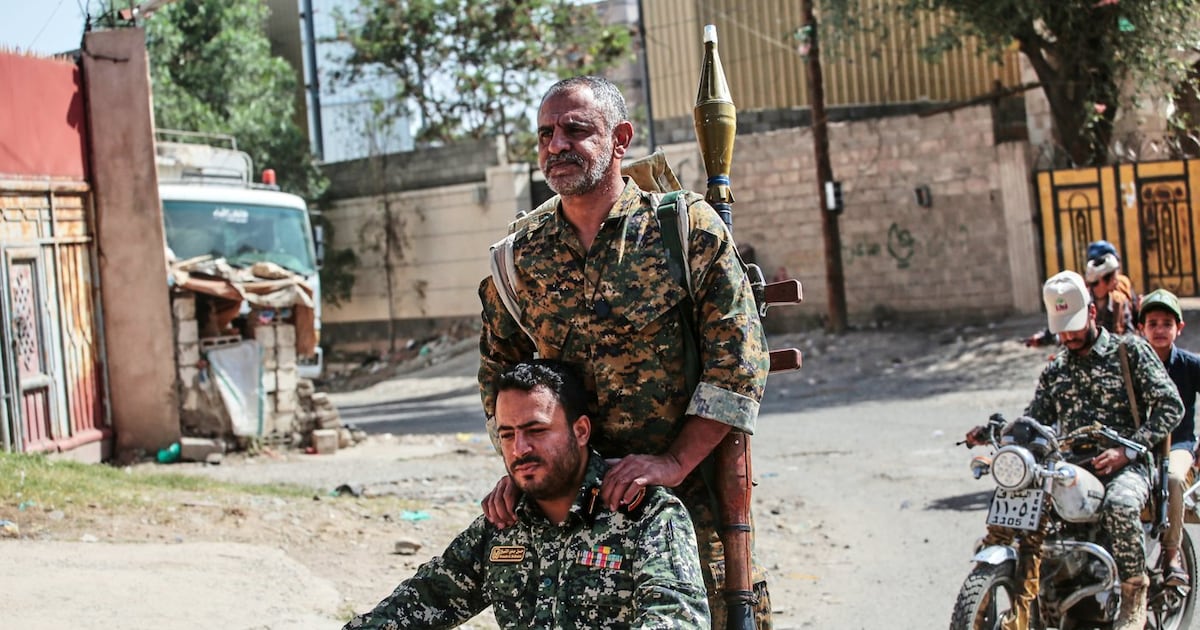
While energy markets react to the maritime chokehold, the renewed fighting has dismantled a fragile truce that largely held Yemen's civil war in check since 2022 according to cbc.ca and ctvnews.ca. The U.N. Migration agency reported that the surge in hostilities displaced more than 46,000 people in a single week. Abdusattor Esoev, mission chief in Yemen for the International Organization for Migration, stated that fleeing residents left with whatever they can grab
and described palpable fear among the population.
Medical infrastructure has buckled under the strain as staff evacuate the violence. Lou Cormack, Yemen coordinator for Doctors Without Borders, emphasized that the organization prioritized keeping the hospital in Mokha operational even after most local staff fled. With 40 million citizens at stake in the Arab world's poorest nation, humanitarian agencies warned that the renewed hostilities push vulnerable populations closer to famine, compounding a conflict that has already claimed 150,000 lives according to cbc.ca and ctvnews.ca.
Frequently Asked Questions
Why did Saudi Arabia shut down the East-West pipeline?
Saudi Arabia closed the pipeline as a precautionary measure after drone strikes hit multiple pumping stations near Al Mesba'ah and Al Dhekra, causing visible fire damage captured by satellite imagery.
Where did the drones used in the pipeline attack originate?
U.S. Officials and regional governments, including Bahrain and Saudi Arabia, stated that the drones were launched from Iraqi territory, prompting Baghdad to order an investigation and close a major border crossing.
Broader Regional Spillover and Diplomatic Maneuvers
The security fallout prompted precautionary measures across the kingdom, with Saudi Arabia's Civil Defence issuing an advisory reporting that the danger had passed in Sharurah Governorate, urging residents via X to avoid gathering or filming and to dial 998 in an emergency, as reported by Aljazeera. International condemnation followed, including a statement from the Mecca-based Muslim World League, whose Secretary-General Mohammed bin Abdulkarim al-Issa characterized the cross-border drone incursions from Iraq as a violation of religious values and international law according to Aljazeera.
These security developments coincided with broader diplomatic positioning, as Iranian Foreign Minister Abbas Araghchi noted on social media that he and his Saudi counterpart spoke regarding efforts to restore stability, according to cbc.ca and ctvnews.ca. Iranian officials are scheduled to meet with representatives of Gulf states in Oman to discuss the next steps for opening the Strait of Hormuz. Iranian Foreign Ministry spokesperson Esmaeil Baghaei framed the talks around a collective regional approach, emphasizing that regional issues should be resolved by local actors. According to aljazeera.com, Tehran and Muscat have already established an understanding regarding a temporary shipping route, short-term demining operations, and traffic management in the strait, with littoral Gulf Cooperation Council countries expected to participate.
Diplomatic channels are set to test whether Iraq's government can successfully curb militant launch points from its territory, while the immediate question remains whether Riyadh will exhaust its diplomatic restraint or abandon it to retaliate against the cross-border aggression, as outlined by reporting from oilprice.com, aljazeera.com, cbc.ca, and ctvnews.ca.
Archypedia is dedicated to independent, evidence-backed reporting. This briefing was synthesized from primary source reporting, corroborated across independent newsrooms, and verified against our Editorial Standards.
Transparency record
Evidence behind this report
This report synthesizes 4 distinct sources. Open the source ledger below to compare the underlying coverage.
Prepared under the Archypedia Editorial Policy by the Samir Haddad editorial desk profile. AI-assisted tools may support drafting and verification; public accountability remains with Archypedia. Report an error.