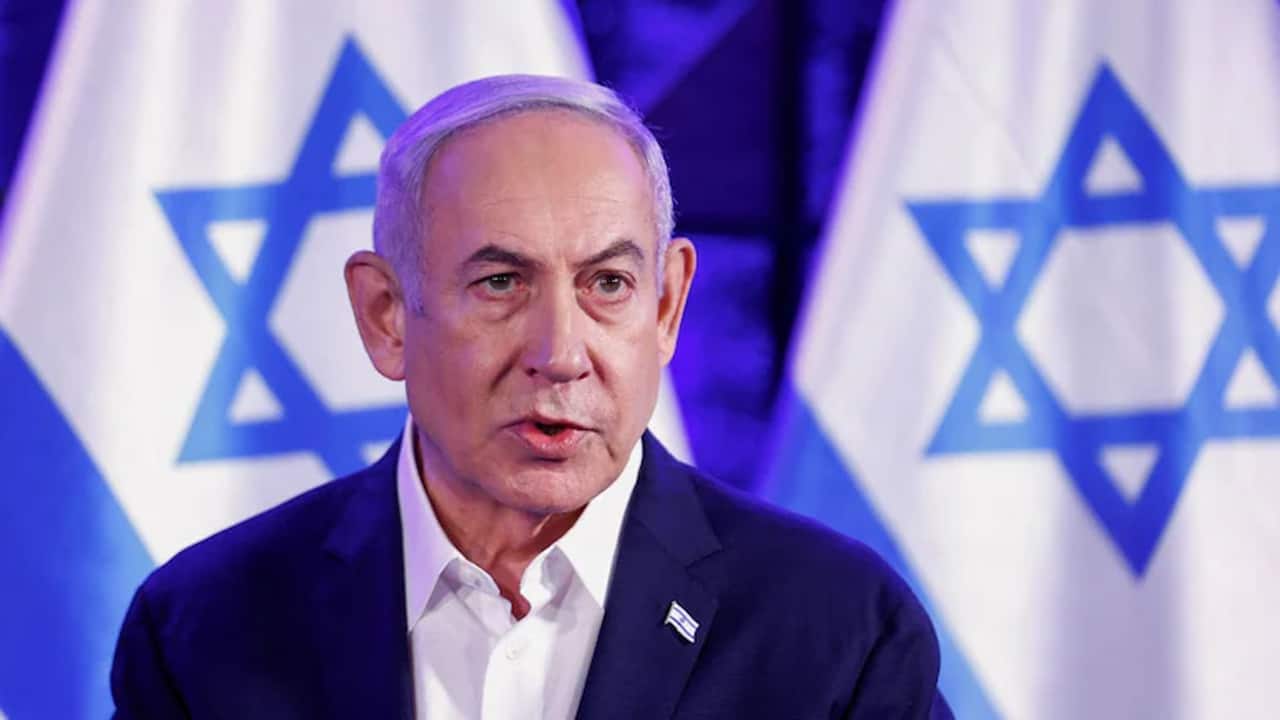
Hamas dissolves Gaza government in move toward UN-backed administration
Hamas has announced the dissolution of its government in Gaza to facilitate a transition to a UN-backed technocratic committee per a ceasefire deal. Concerns remain over whether this administrative shift will address critical security and disarmament requirements.

Hamas announced the dissolution of its government in Gaza on Monday, July 6, 2026, and is preparing to transfer power to a technical committee backed by the United Nations as part of a U.S.-brokered ceasefire deal. The move is intended to facilitate a transfer of power to a technocratic group known as the National Committee for the Administration of Gaza.
The administrative restructuring occurs nine months after the ceasefire agreement was signed between Israel and Hamas. While the group described the announcement as a commitment to Gaza’s reconstruction after years of war, the transition remains shrouded in uncertainty. The declaration, delivered by lower-level officials including Ismail al-Thawabta, the general director of the Hamas-run Government Media Office, did not include commitments regarding disarmament or the relinquishing of security control.
Related YouTube video


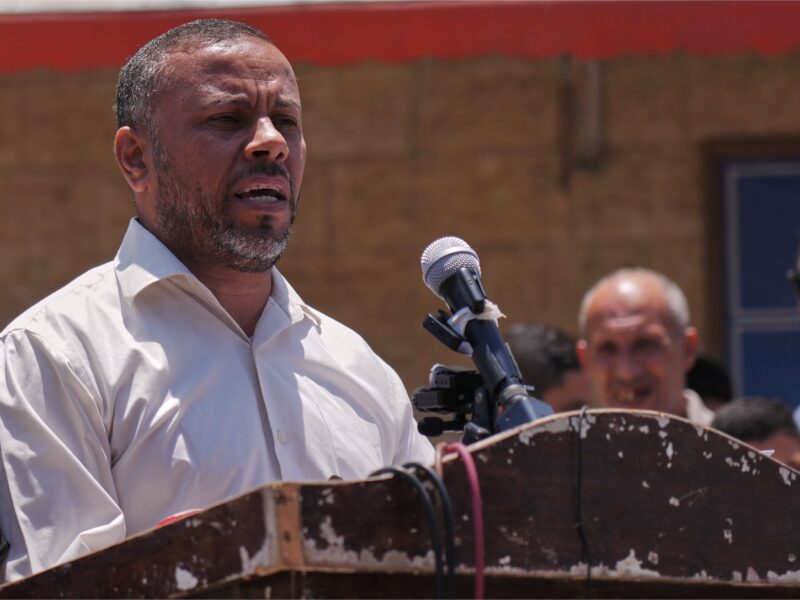
At a press conference held in the courtyard of Al-Aqsa Hospital in Deir al-Balah, al-Thawabta stated that only technical and professional staff would continue to manage the daily affairs of the enclave. He added that personnel currently working in service provision are considered state employees and are prepared to operate under the new committee. Hamas spokesperson Hazem Qassem characterized the decision as a positive step forward on the path to implement the ceasefire deal
.
The Board of Peace and the Path Ahead
The transition is supervised by the Board of Peace, an entity led by President Donald Trump that was formed to oversee the reconstruction and governance of Gaza. Following Monday's announcement, the Board issued a statement on X emphasizing that it would evaluate the situation based on actions rather than promises. The Board maintains that the technocratic committee must ultimately exert control over all weapons in Gaza to adhere to the requirements of the ceasefire.
The National Committee for the Administration of Gaza is chaired by Ali Shaath, a Gaza-born engineer and former Palestinian Authority official. Based in Cairo, the committee has been tasked with restoring civilian services. However, Shaath noted that for the organization to function effectively, a single legal framework and a unified security apparatus must be established. Andreas Krieg of King’s College London, expressed skepticism regarding the announcement, suggesting that the dissolution of an administrative body does not equate to the surrender of power. Hamas was never just an institution. Its power rests not only in offices, salaries and municipal administration, but in weapons, internal security networks, social penetration, tunnel infrastructure, patronage, coercion and the idea that armed resistance remains legitimate,
Krieg stated.
Regional Reaction and Ongoing Violence
Israeli Foreign Minister Gideon Saar publicly dismissed the announcement, asserting that the restructuring is a maneuver to circumvent the disarmament requirements of the ceasefire agreement. As long as Hamas retains its weapons, any civilian government will of course operate as Hamas dictates,
Saar wrote on X.
Despite the ceasefire that took effect on October 10, hostilities persist. On Monday, July 6, 2026, health officials reported that Israeli strikes killed at least five people, including three in Khan Younis and two in Gaza City. The Israeli military stated that these strikes targeted specific militants, including a member of Palestinian Islamic Jihad. Since the ceasefire began, five Israeli soldiers have been killed during various shooting incidents in the region.
Status of the Transition
The current impasse in peace negotiations centers on the second phase of the ceasefire, which demands the disarmament of Hamas and the broader reconstruction of the Gaza Strip. The group has consistently insisted on the completion of the first phase before beginning discussions on its military arsenal.
| Key Entity | Stated Position/Role |
|---|---|
| Board of Peace | Demands control of all weapons to ensure stability. |
| National Committee (NCAG) | Seeks a single legal and security framework. |
| Hamas | Claims transition is for reconstruction; remains silent on disarmament. |
| Israel | Dismisses the move as a tactic to avoid disarmament. |
As the region navigates this shift, international observers are watching for whether the National Committee for the Administration of Gaza will receive the necessary resources to assume full authority. While the administrative change is technically underway, the fundamental question of who controls the security of the enclave remains unresolved. Future developments will likely hinge on whether the committee can move beyond administrative oversight to establish actual control over security networks and armaments on the ground.
How significant is this development?
Contribute your assessment to the aggregated reader intelligence ledger.
Archypedia is dedicated to independent, evidence-backed reporting. This briefing was synthesized from primary source reporting, corroborated across independent newsrooms, and verified against our Editorial Standards.
Transparency record
Evidence behind this report
This report synthesizes 6 distinct sources. Open the source ledger below to compare the underlying coverage.
Prepared under the Archypedia Editorial Policy by the Samir Haddad editorial desk profile. AI-assisted tools may support drafting and verification; public accountability remains with Archypedia. Report an error.