Colombia Earthquake: Rescue Crews Search Rubble As Death Toll Rises To 254
Rescue workers in western Colombia are combing through collapsed concrete structures following a 7.4-magnitude earthquake that has left hundreds dead, thousands displaced, and hospitals overwhelmed.

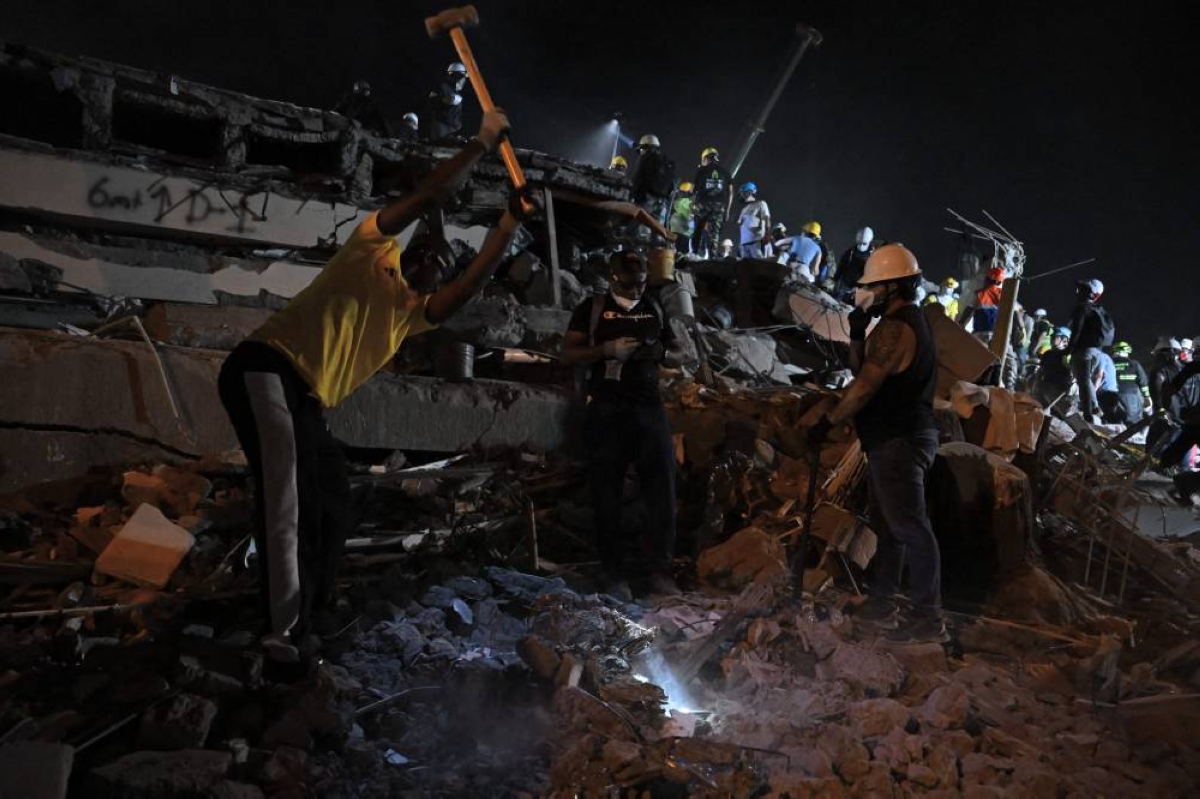
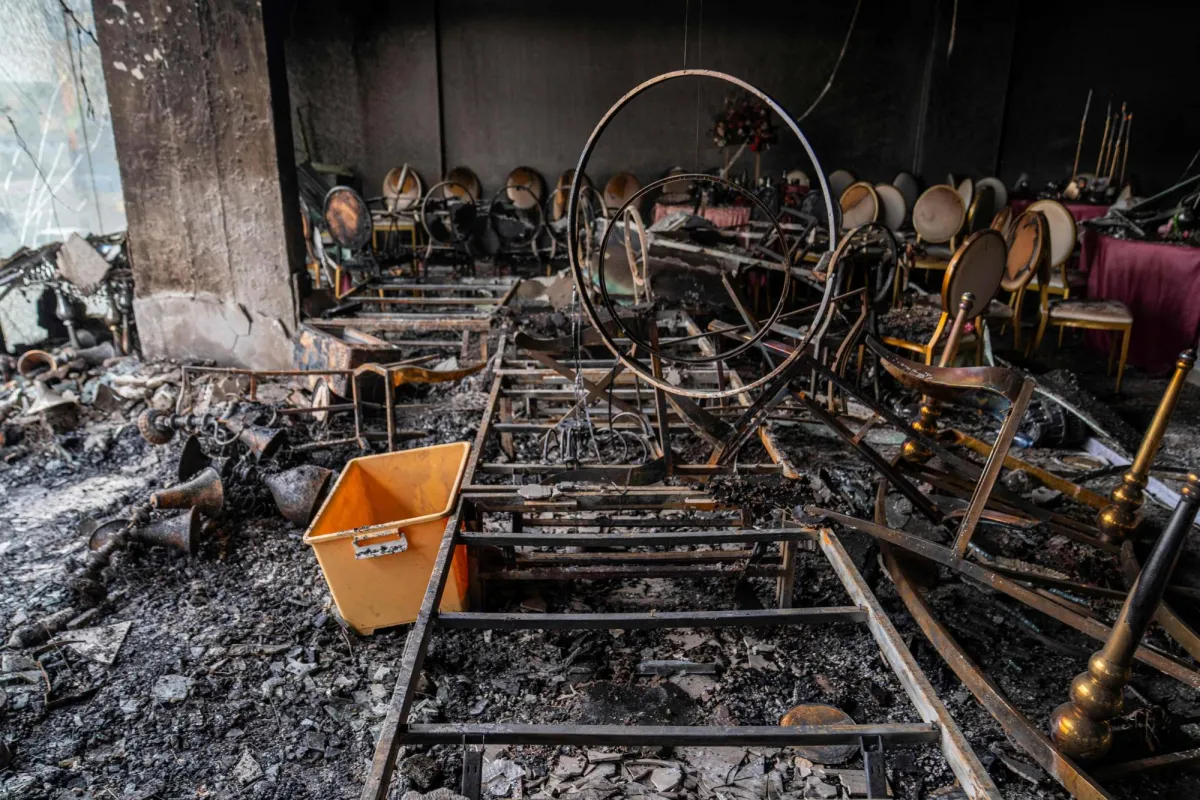
Rescue workers in western Colombia pressed their ears against mountains of shattered concrete, calling for absolute silence to catch the faint sound of breathing beneath the debris. As the vital 48-to-72-hour window for locating survivors narrowed on Wednesday, August 12, the disaster's heavy toll came into sharp focus following a 7.4-magnitude earthquake that struck the country's coffee-growing heartland early on Monday, August 10. According to separate reports from affected cities cited by Arise, the municipal death toll rose to at least 254 people, while President Abelardo de la Espriella's administration cited a figure of 181 dead alongside 2,595 injured according to SBS. Thousands remain displaced, and more than 100 aftershocks have rattled unstable structures since the initial tremor.
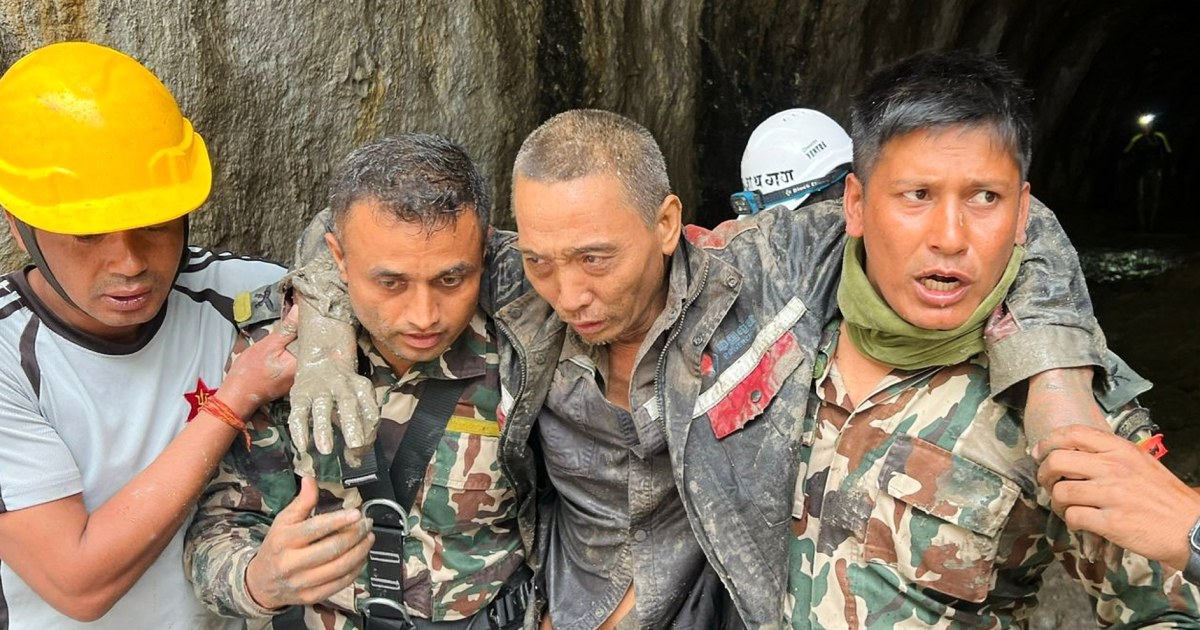
The violent shaking devastated urban centers across the region, heavily impacting Pereira and Cali, where municipal tallies recorded 101 and 95 deaths respectively reported the Otago Daily Times. In Cali, part of the Hospital Universitario del Valle collapsed, forcing medical staff to treat patients outdoors in a parking lot after upper floors housing internal medicine, neonatal, and pediatric services gave way and reduced the facility's bed capacity from 590 to 350 noted Tempo. Local health secretary German Escobar stated that Cali's morgue was entirely full, requiring authorities to retrieve bodies directly from the streets according to Odt. Amid the chaos, sparse moments of relief broke through; firefighters in Cali rescued a 35-year-old man nearly 24 hours after the quake, and crowds cheered as emergency teams pulled a 31-year-old woman named Diana Troncoso from the ruins of the Torres del Limonar apartment complex after a 16-hour operation reported the Times of India.
Related YouTube video
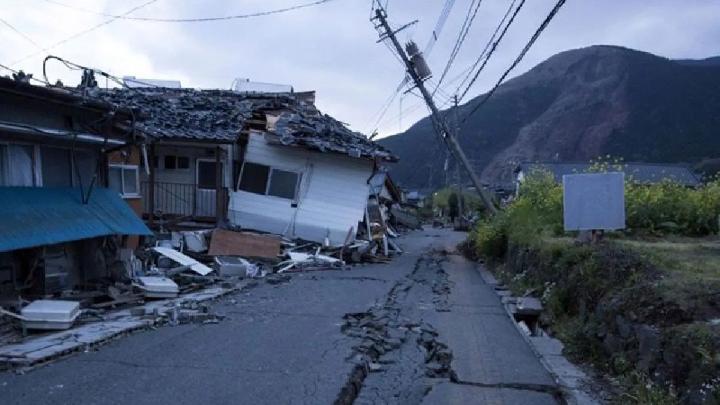
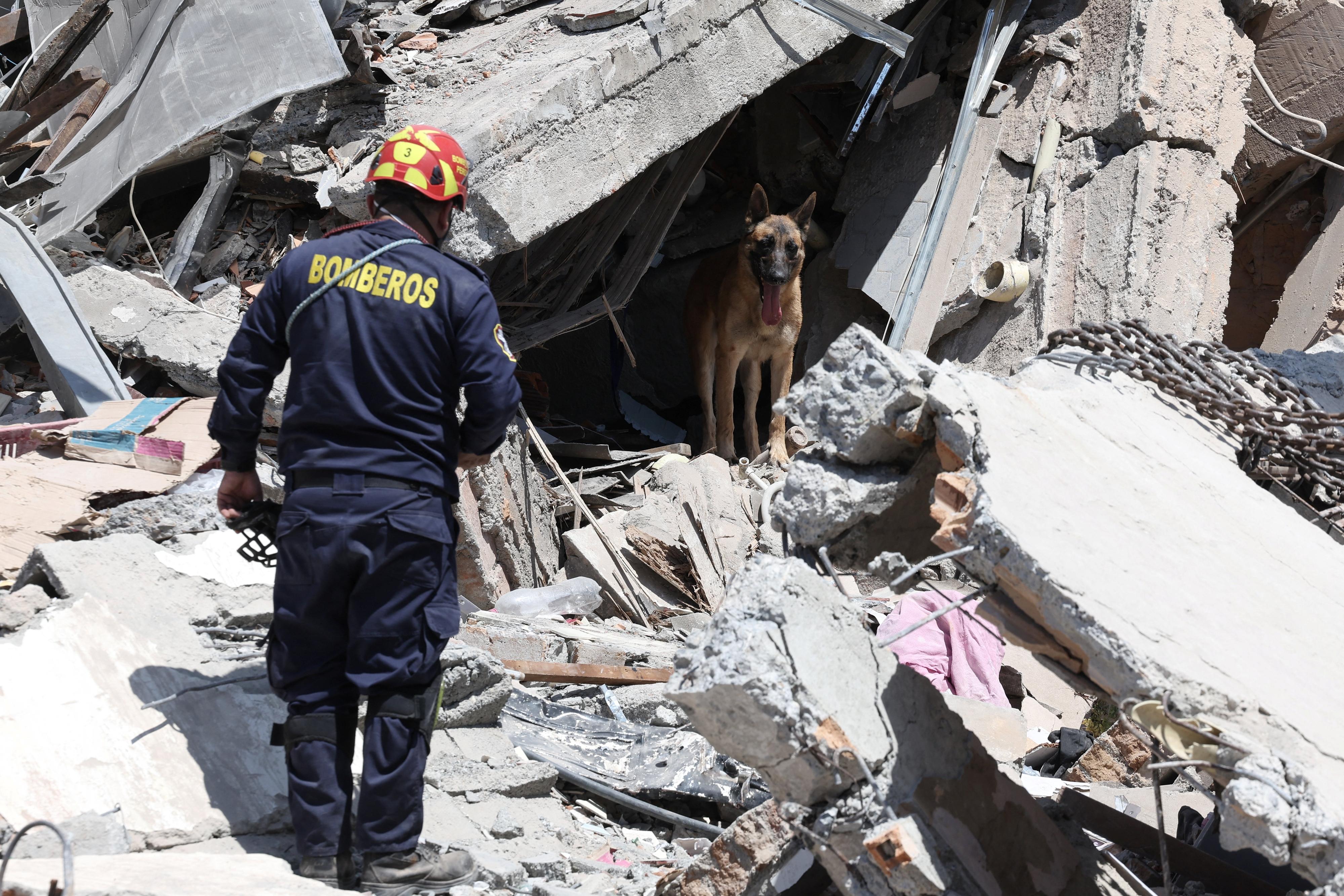
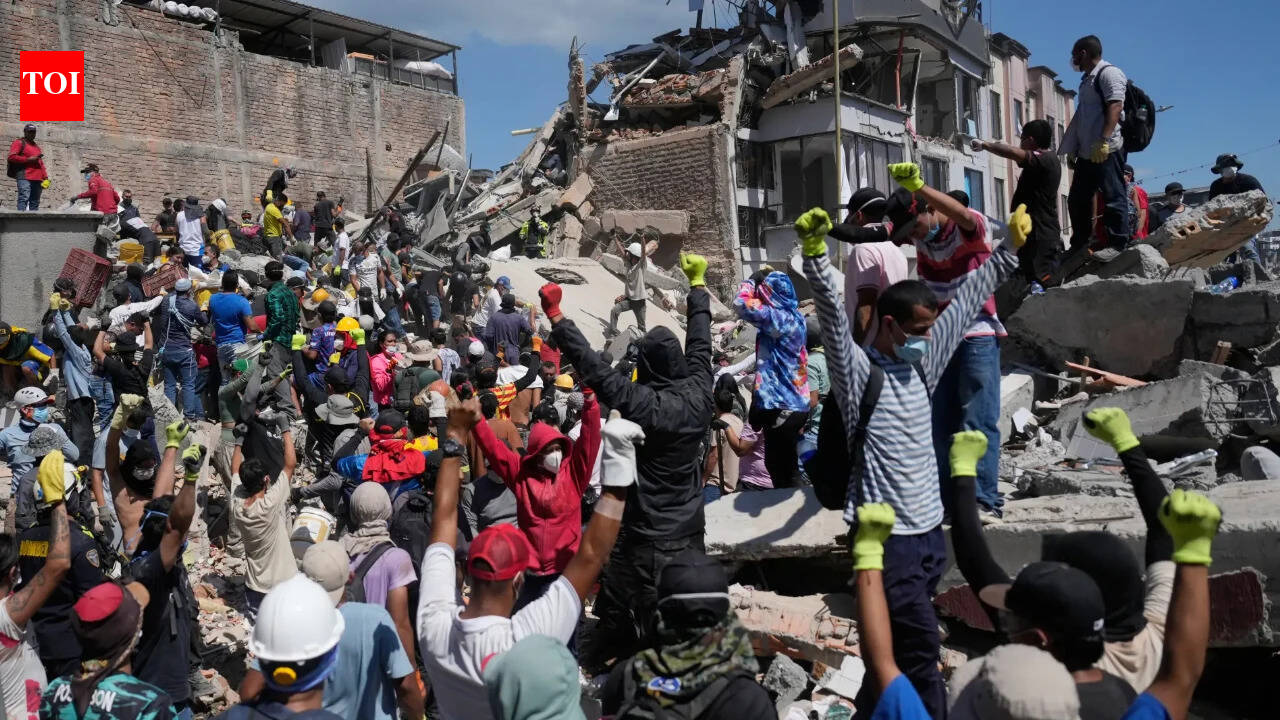
The human cost extended far beyond structural damage into residential neighborhoods and remote geography. Rosa Gonzalez described fleeing her guest house in Pereira with her husband and 10-month-old baby just as the building collapsed, leaving an elderly man feared dead on a terrace noted Arise. Social media influencer Jose Gallego, caught at Pereira airport when the quake struck, walked across the city for two hours through scenes he described as a nightmare reported ODT. In the forested Pacific-facing region of Chocó near the epicenter, Indigenous communities faced acute isolation. Andres Caicedo, a community leader in Sipi, told Caracol TV that residents lacked medical supplies, power, and water, noting that people were climbing trees just to catch internet signals according to Arise. Giovanni Rizzo of the Norwegian Refugee Council warned that the disaster compounded pre-existing poverty and civil conflict stated Sbs, though U.N. Resident coordinator María José Torres noted that existing humanitarian frameworks from the 2016 peace accord could help organizations distribute emergency aid more rapidly noted SBS.
Politically, the catastrophe arrived as an immediate test for President Abelardo de la Espriella, who assumed office just days prior reported the Times of India. De la Espriella visited affected zones, declared a state of emergency, and ordered three months of utility bill relief for households in Risaralda alongside rental subsidies for those who lost their homes noted Tempo, Times of India. International aid began arriving as the crisis deepened, with the United States pledging $15.5 million in emergency assistance reported Tempo, alongside readiness from Mexico and El Salvador to dispatch search personnel and hundreds of tons of supplies noted SBS.
Officials warned that establishing a definitive death toll and completing comprehensive structural damage assessments will take several days, hampered by severed communications, closed airports, and impassable highways reported Arise, ODT. As aftershocks continue to threaten fragile buildings across the coffee-growing region reported the Times of India, rescue crews maintain their watch over the rubble.
Regional Destruction and International Relief
The 7.4-magnitude tremor that struck at 7:34 a.m. On Monday, August 10, caused extensive damage across multiple urban centers, as reported by the Times of India. In Manizales, Mayor Jorge Eduardo Rojas noted that approximately 60 buildings suffered total or partial collapse, affecting about 2,000 people with that figure expected to rise. Meanwhile, international aid pledges expanded beyond the United States' $15.5 million commitment, as reported by Tempo. According to Sbs, Mexican authorities stated readiness to dispatch hundreds of search and health workers alongside tons of medical supplies, and Salvadoran President Nayib Bukele announced on X that El Salvador would dispatch two planes carrying 100 tons of aid.
- Cali: 95 deaths recorded by municipal tallies; Hospital Universitario del Valle capacity reduced from 590 to 350 beds after upper floors collapsed, as noted by Tempo and the Otago Daily Times.
- Pereira: 101 deaths recorded in municipal tallies, reported the Otago Daily Times, while Mayor Mauricio Salazar reported the city death toll above 70 alongside more than 50 people trapped in collapsed buildings, according to the Times of India.
- Manizales: About 60 buildings suffered total or partial collapse, with roughly 2,000 people affected according to Mayor Jorge Eduardo Rojas, cited by the Times of India.
- Casualties and Missing: President Abelardo de la Espriella cited 181 dead, 2,595 injured, and 195 missing, while civilian-run databases placed the number of missing closer to 4,000, reported by SBS.
As recovery efforts persist, the geological impact remains acute; Colombia's Geological Service recorded more than 70 aftershocks following the initial tremor, including a magnitude 3.8 aftershock, according to the Times of India. Officials from multiple agencies warn that completing damage assessments and establishing a final death toll will take several days amid ongoing infrastructure bottlenecks. With international rescue teams mobilizing and local communities continuing to dig through the wreckage, the next step involves coordinating the incoming distribution of foreign aid supplies to isolated areas like Chocó while managing the reconstruction of shattered municipal infrastructure.
How significant is this development?
Contribute your assessment to the aggregated reader intelligence ledger.
Archypedia is dedicated to independent, evidence-backed reporting. This briefing was synthesized from primary source reporting, corroborated across independent newsrooms, and verified against our Editorial Standards.
Transparency record
Evidence behind this report
This report synthesizes 5 distinct sources. Open the source ledger below to compare the underlying coverage.
Prepared under the Archypedia Editorial Policy by the Samir Haddad editorial desk profile. AI-assisted tools may support drafting and verification; public accountability remains with Archypedia. Report an error.