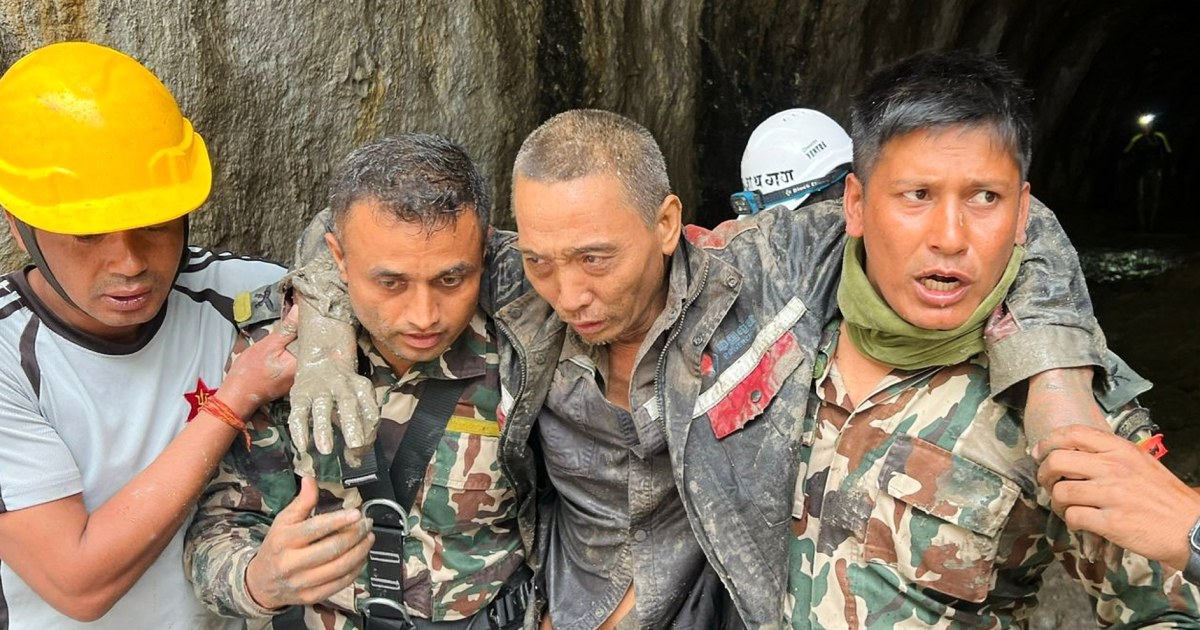
Kinshasa wedding party fire leaves at least 22 dead
Joint rescue teams in Nepal recovered two trapped survivors from mud-choked tunnels and homes ten days after catastrophic Himalayan floods.
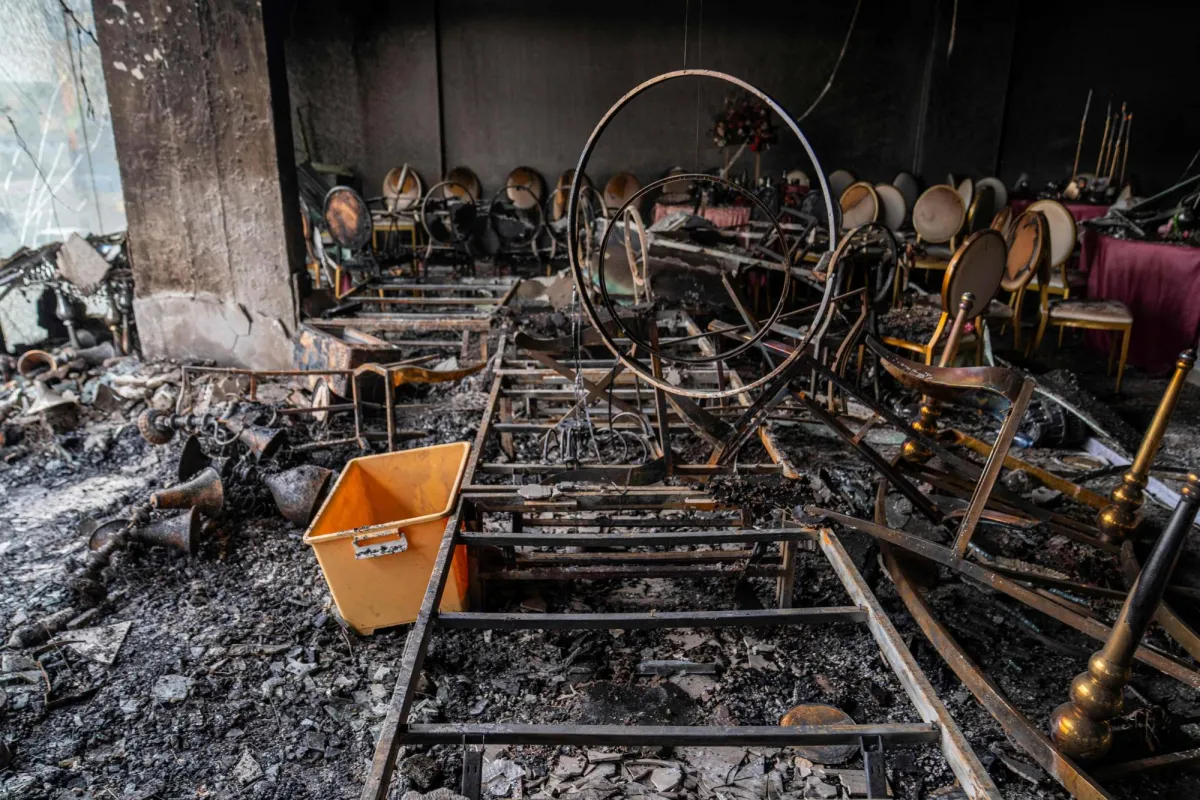
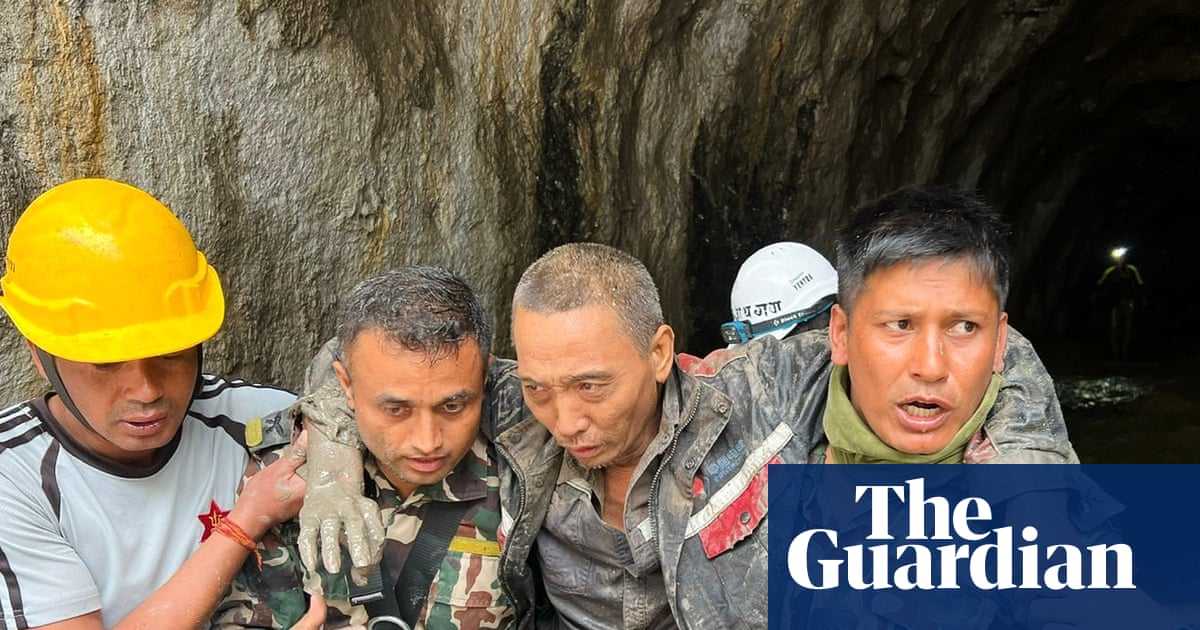
Buried deep within a subterranean tunnel at the Upper Trishuli-1 hydropower project, a Chinese worker identified as Luhaitao repeatedly shouted into the dark whenever he caught the faint, distant flash of searchlights, though his voice failed to reach the surface, according to audio shared by China Central Television cited by the Associated Press and the Canadian Broadcasting Corporation. Ten days after a catastrophic glacial and rock collapse triggered tsunami-like floods along the Nepal-Tibet border, joint teams of the Nepal Army and foreign specialists pulled him alive from 225 meters inside the sludge-choked conduit on Saturday, September 5, 2026. Hours later, in the devastated town of Nuwakot, armed police forces cleared thick mud from a submerged residential structure to unearth 64-year-old Chandika Kumari Shrestha, who had been trapped unconscious inside her home since the initial torrent struck, as reported by Agence France-Presse and Yahoo News New Zealand.
These simultaneous extraction operations offered a rare glimmer of hope amid grim statistics, pushing the verified tally of survivors found in subterranean spaces higher following the previous day's rescue of two Nepalese workers from a separate Trishuli River station tunnel. Yet international disaster experts caution that the window for locating other trapped individuals is rapidly closing, even as nearly 21,500 security personnel and specialized teams from India, China, South Korea, and the United States press forward with grueling round-the-clock searches across dozens of battered infrastructure sites, according to Associated Press and The Guardian coverage.
Related YouTube video

Anatomy of Subterranean Survival and Rescue
The mechanics of the prolonged entrapment exposed both the resilience of the survivors and the immense logistical hazards facing rescue crews. According to audio and accounts shared by China Central Television and reported by the Associated Press, Luhaitao described repeatedly calling out toward flashing rescue lights during his days in darkness before crews finally reached him.
"When they rescued me today, when they shone before my eyes, I couldn't believe it"
Luhaitao, hydropower worker, via China Central Television
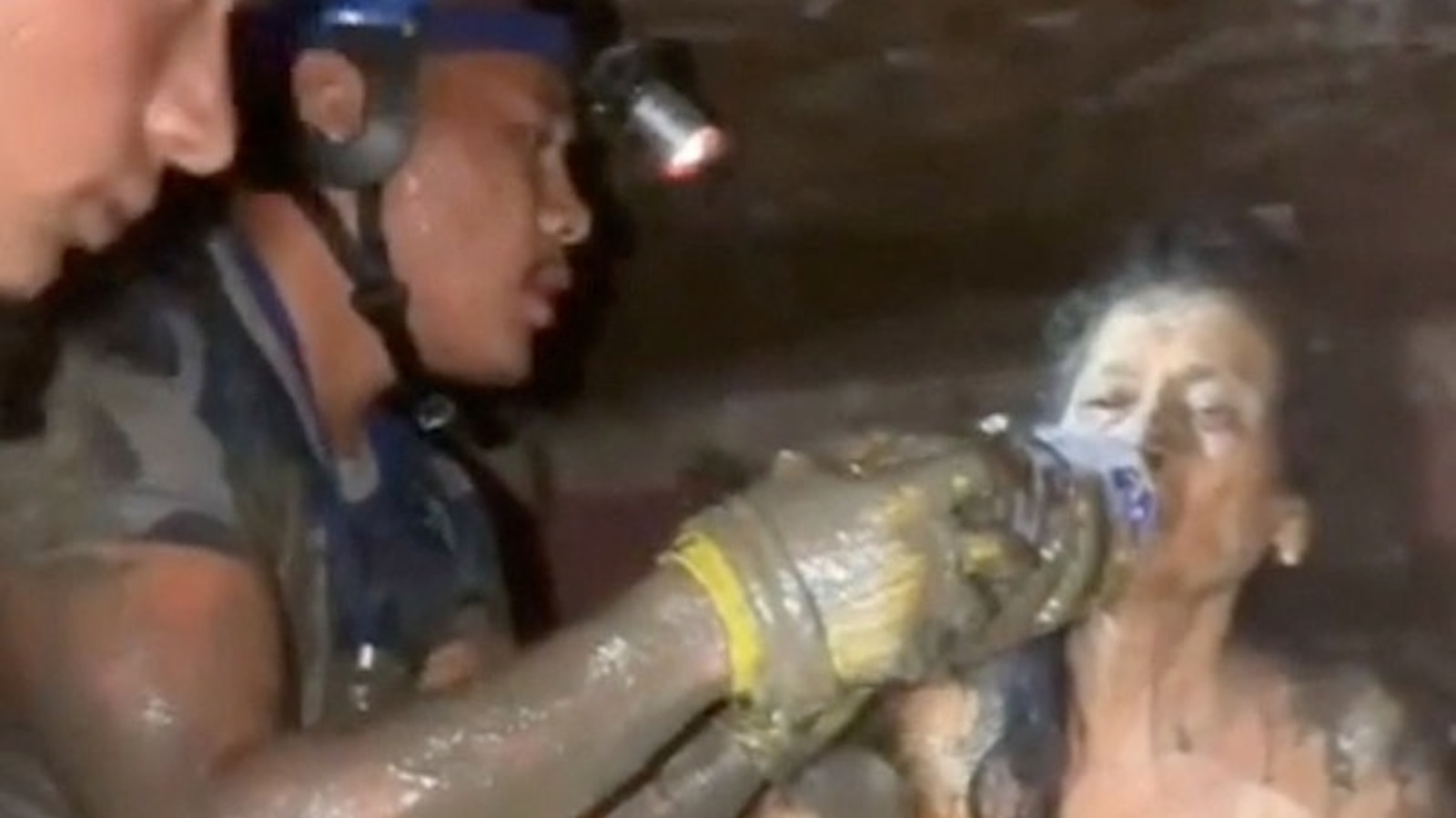
In Nuwakot, visuals released by Nepal's military and police captured the moment responders located Shrestha submerged in sludge, offering her bottled water before wrapping her in a grey blanket and airlifting her to an army barracks for initial treatment, as detailed by Agence France-Presse and Yahoo News New Zealand. Their recoveries followed the Friday rescue of Nepalese workers Sanjay Sah and Kabir Maharjan, who were found roughly 40 meters inside the Upper Trishuli-3A project tunnel where they had endured nine days trapped beneath collapsed slabs and heavy debris, according to The Independent.
| Affected Facility or Metric | Reported Figures / Details |
|---|---|
| Combined Casualties | At least 1,375 dead (1,344 in Nepal, 31 in China); over 5,500 missing, per Agence France-Presse and the Associated Press. |
| Hydropower Toll | 11 hydropower projects and 1 solar plant damaged; approximately 900 workers missing across sites, with 500 estimated trapped in tunnels, according to Yahoo News New Zealand and The Guardian. |
| Rasuwagadhi Project Impact | 93 missing, comprising 51 regular employees, 1 board member, 2 daily-wage workers, and 39 contractor personnel, per Yahoo News New Zealand. |
| Disaster Financial Assessment | Preliminary damage estimated at 387.54bn Nepalese rupees (£1.8bn) across infrastructure and basic services, according to Yahoo News New Zealand and The Independent. |
Hydropower Infrastructure and Engineering Coordination
Search operations have focused heavily on a dozen major hydropower stations along river corridors where flash floods pulverized installations and swept workers underground. At the Rasuwagadhi Hydropower Project alone, operating company records cited by Yahoo News New Zealand and The Independent indicate that 93 individuals remain unaccounted for, highlighting the vast workforce exposed to the sudden inundation.
To navigate the labyrinthine, silt-filled subterranean passages, more than 500 engineers have established a collaborative network via WhatsApp, supplying field rescue units with vital technical blueprints, plant layouts, and roster data for missing personnel, according to Yahoo News New Zealand. Concurrently, Kathmandu has formally requested advanced technical hardware, including high-capacity drones, LiDAR systems, ground-penetrating radar, heavy-duty drainage pumps, and modular Bailey bridges to restore access to isolated mountain communities, as reported by Yahoo News New Zealand and Agence France-Presse.
Humanitarian Toll and Recovery Operations
Beyond the immediate search zones, the societal fallout continues to widen. The United Nations Development Programme estimated that over 84,270 people across multiple municipalities have felt the direct impact of the disaster, while UNICEF warned that at least 22,000 children urgently require safe drinking water, sanitation support, and nutritional care, according to Yahoo News New Zealand and The Independent. Post-mortem units and forensic teams have collected DNA samples from hundreds of recovered bodies and relatives to identify the dead, nearly 500 of whom remain unnamed, per Yahoo News New Zealand.
As physical recovery efforts transition into broader rehabilitation phases, the government has designated the upcoming week as a national period of mourning, directing flags to fly at half-mast across state offices and diplomatic missions while securing additional stipends for mobilized civil servants and security personnel, according to Yahoo News New Zealand and Agence France-Presse.
Thousands of families remain camped outside military barracks and disaster coordination centers, waiting for definitive news on the thousands still missing as emergency responders clear the final accessible sections of debris-choked tunnels, as noted by the Associated Press and The Guardian.
Logistics and International Relief Deployments
The vast logistical hurdles of the disaster response have drawn specialized contingents and heavy hardware from across international borders. Search operations across the twelve damaged hydropower projects are bolstered by foreign specialists from India, China, South Korea, and the United States working in tandem with the Nepal Army and domestic police forces, according to The Guardian and the Canadian Broadcasting Corporation. Kathmandu has issued formal requests for advanced technical supplies, including high-capacity drones, LiDAR scanners, ground-penetrating radar, DNA-testing kits, and heavy-duty drainage pumps to clear obstructed subterranean conduits, per Yahoo News New Zealand and The Independent.
The human and material toll continues to strain public services while administrative preparations intensify for the upcoming commemorative period. Official figures compiled by Agence France-Presse and the Kathmandu Post indicate that provisional economic damage estimates have reached 387.54bn Nepalese rupees, encompassing wrecked infrastructure, collapsed bridges, and compromised energy facilities, according to Yahoo News New Zealand.
| Relief and Recovery Metric | Reported Figures and Details |
|---|---|
| Mobilized Security Personnel | Nearly 21,500 security personnel deployed across disaster zones, per Associated Press and The Guardian. |
| Total Rescued Individuals | 8,631 people rescued, with 3,655 accommodated in holding centers, according to Yahoo News New Zealand. |
| Unidentified Recovered Bodies | 501 bodies remain unidentified out of 1,344 total recovered in Nepal, per Yahoo News New Zealand. |
| Vulnerable Children Impact | 22,000 children require urgent water, sanitation, and hygiene support, with 2,600 facing severe wasting, according to Yahoo News New Zealand and The Independent. |
As recovery operations transition toward long-term reconstruction, the government has designated the upcoming week as a national period of mourning, ordering flags to fly at half-mast across state offices and diplomatic missions, per Yahoo News New Zealand. Humanitarian agencies, including UNICEF and the United Nations Development Programme, continue to log thousands of displaced residents and separated minors across multiple affected municipalities, according to Yahoo News New Zealand and The Independent. The next step for emergency coordination centers involves clearing the final debris-choked passages of the subterranean tunnels while forensic teams complete DNA profiling to identify the remaining unnamed victims.
Families wait outside military barracks and disaster coordination centers for word of more than 5,000 missing individuals ahead of Sunday, September 7, 2026, when national flags will fly at half-mast across state offices and diplomatic missions, according to Yahoo News New Zealand and Agence France-Presse.
Archypedia is dedicated to independent, evidence-backed reporting. This briefing was synthesized from primary source reporting, corroborated across independent newsrooms, and verified against our Editorial Standards.
Transparency record
Evidence behind this report
This report synthesizes 7 distinct sources. Open the source ledger below to compare the underlying coverage.
- apnews.com
- english.aawsat.com
- theguardian.com
- cbc.ca
- nz.news.yahoo.com
- abcnews.com
- independent.co.uk
Prepared under the Archypedia Editorial Policy by the Samir Haddad editorial desk profile. AI-assisted tools may support drafting and verification; public accountability remains with Archypedia. Report an error.