Nepal holds a day of mourning after floods kill at least 1,300 people
As the state observes a day of mourning, relatives of missing hydropower workers clash with the military over the pace of rescues in the Trishuli river valley.

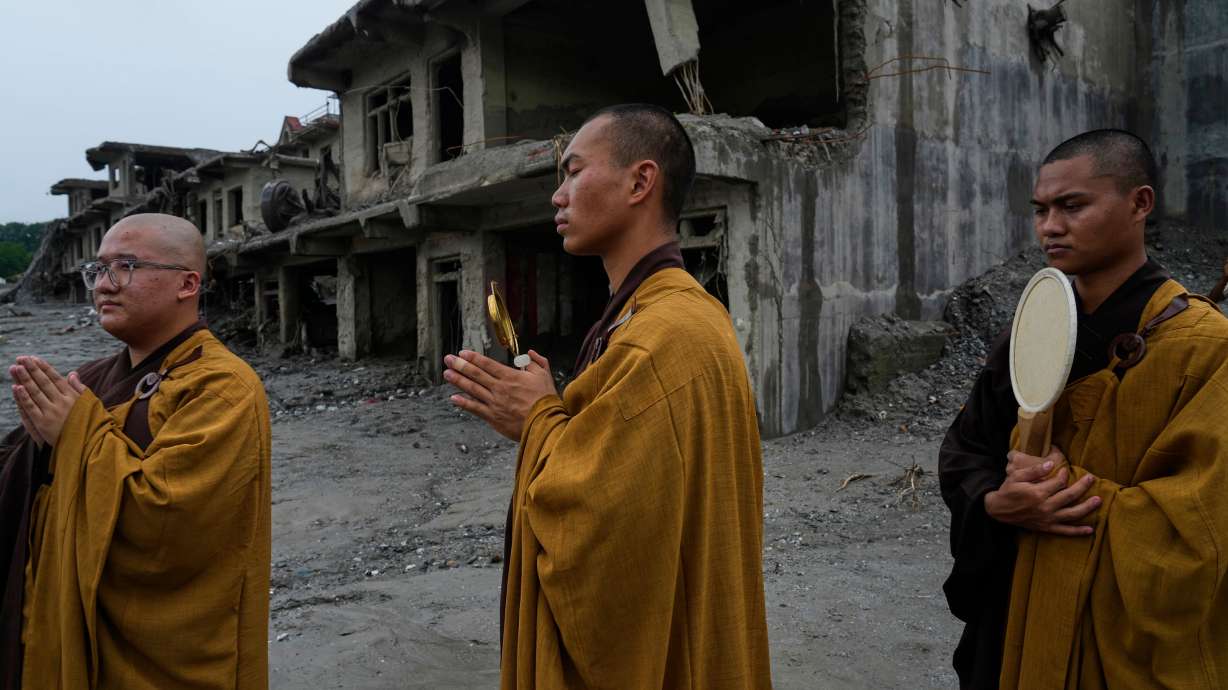
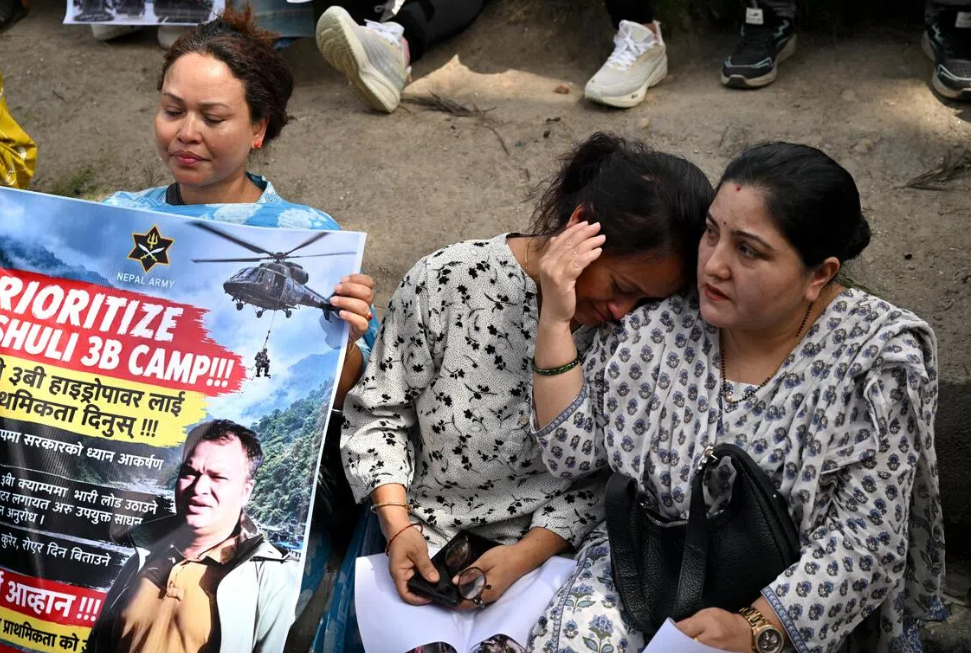
KATHMANDU — In the Maitighar Mandala neighborhood on Monday, September 7, families of missing hydropower workers held photographs of husbands and brothers against a backdrop of state-mandated silence. As government offices lowered flags to half-staff for an official day of mourning, these relatives faced a spiritual and emotional deadlock: the 13th day since the August 26 floods marks the traditional conclusion of the Hindu mourning period, yet many refuse to stop searching for survivors.
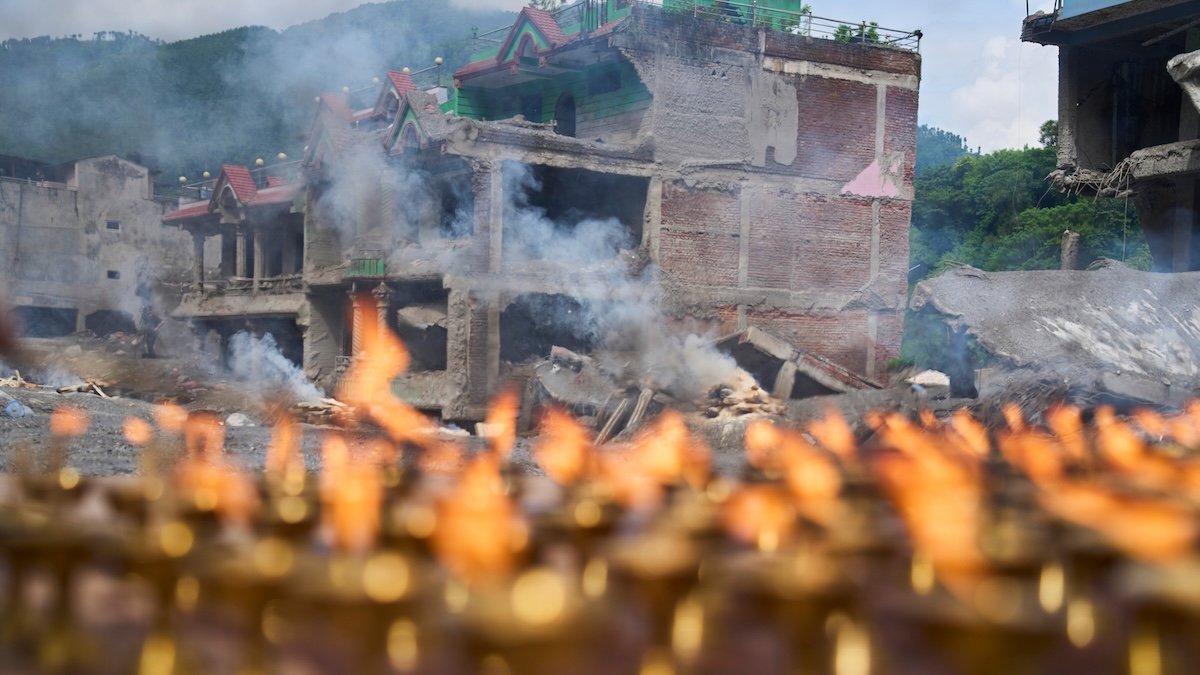
While some families performed symbolic cremations to provide spiritual release for the souls of the departed, others used the day to protest what they describe as a failure of urgency. For the families of geologists and engineers buried in the Trishuli river valley, the ritual of final funeral rites collided with the conviction that their loved ones are still alive, trapped beneath layers of silt and mud.
Related YouTube video
The Glacial Collapse and the Buried
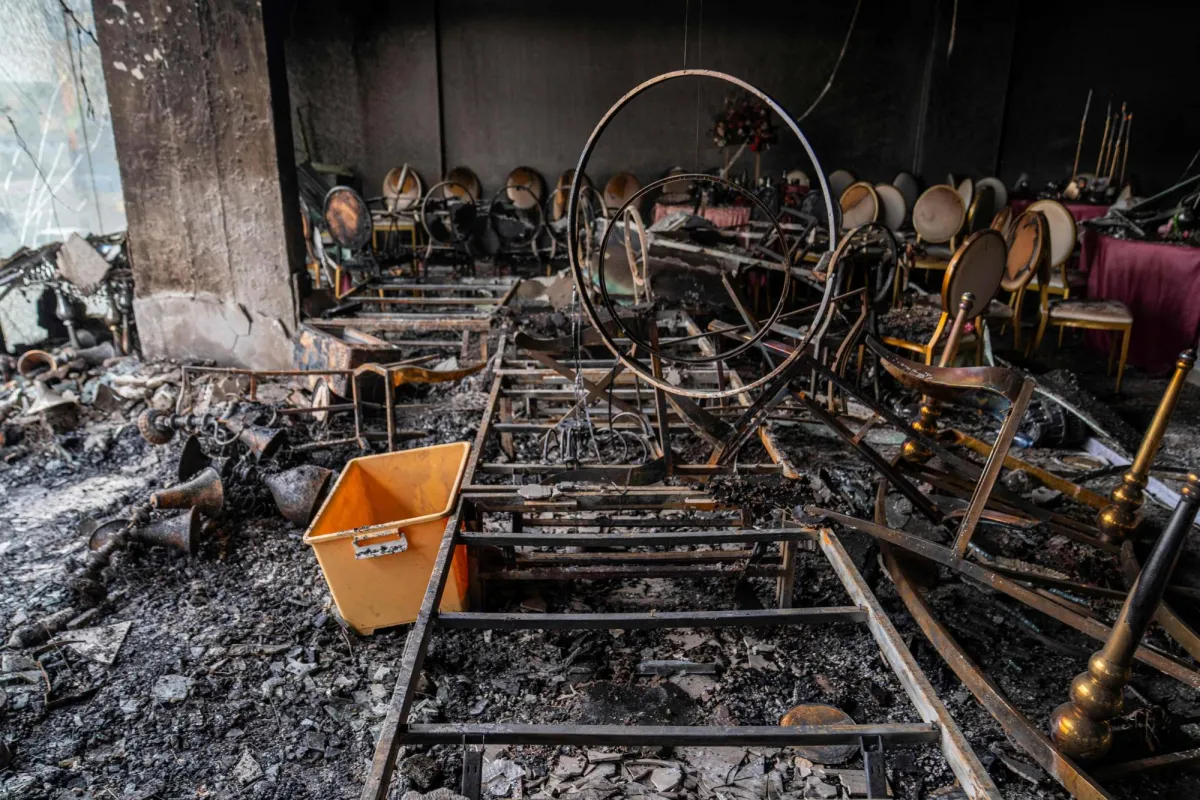
The catastrophe was triggered on August 26 when a glacier collapsed, unleashing flash floods that tore through riverside villages and buried critical infrastructure. In the Trishuli valley, the disaster targeted run-of-the-river cascade hydropower projects, turning subterranean workspaces into tombs of debris, according to reports from Ksl and thestar.com.my.
At one specific site, the floods completely buried a 2.5-story project office. The surges did more than destroy surface buildings; they filled tunnels with silt and mud, trapping workers who had been deployed to these projects for months.
| Category | Verified Figure/Detail |
|---|---|
| Total Death Toll (Nepal & Tibet/China) | At least 1,300 |
| Total Missing | Some 5,000 |
| Missing Hydropower Workers | About 900 |
| Estimated Trapped in Tunnels | Roughly 500 |
| Affected Hydro Projects | 12 |
Tensions at Trishuli 3B
The Trishuli 3B hydropower project has become a primary flashpoint for family anger, with at least 50 people suspected to be trapped in a single tunnel. Sumana Chhetri Amatay, 50, whose husband Sumesh Amatay served as a senior geologist at the plant, questioned why the army was not prioritizing rescues inside the tunnel, stating, My husband might still be alive inside, trapped – he could be saved
via Thestar.
The human cost extends to entire family units. Sagar Poudel is searching for his 37-year-old cousin, engineer Somnath Poudel, who is suspected to be in the 3B tunnel. Somnath’s wife and two-year-old twin daughters were in the project’s riverside staff quarters; Poudel told thestar.com.my that the mother and children are unlikely to have survived under the mud, but he maintains that his cousin may still be alive.
Other protesters allege a systemic lack of equipment. Mahesh Prasad Shrestha, whose brother Niraj Shrestha, a 52-year-old engineer, is missing, claimed authorities only deployed a small excavator via helicopter around the sixth or seventh day. He argued that the government should have requested big helicopters from China or India to fly in equipment, as reported by ksl.com.
The Military's Logistical Defense
During a September 7 press conference held by the National Disaster Risk Reduction and Management Authority, Brigadier General Subash Jung Thapa defended the operational pace. According to thestar.com.my, Thapa identified three specific hurdles that prevented a more aggressive rescue:
- Ground Instability: Heavy equipment and excavators frequently sank into thick sludge.
- Geography: The narrow valley topography made helicopter flights challenging, limiting the army to dropping only light excavators.
- Internal Silt: Silt inside the tunnels has blocked manual rescue teams from reaching trapped workers.
Families have countered these explanations, alleging that while Trishuli 3B was neglected, larger excavators and equipment were sent to other hydropower tunnels.
The Evidence of Survival
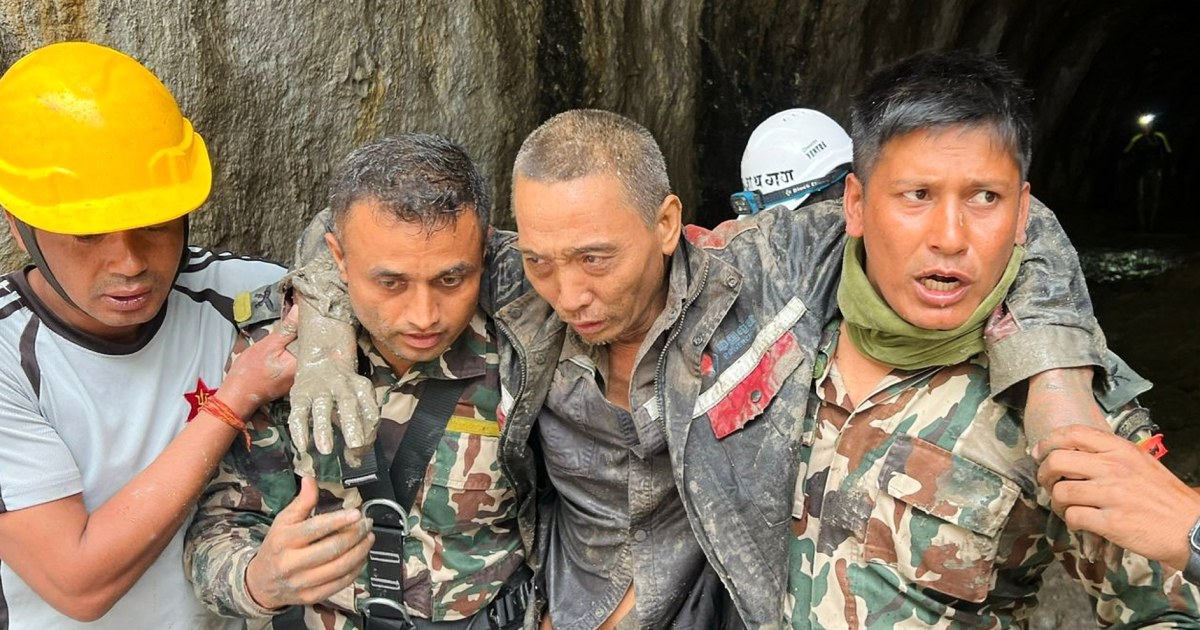
The refusal of families to accept the 13-day spiritual deadline is rooted in documented survival against the odds. According to devdiscourse.com, workers Kabir Maharjan and Sanjay Sah were rescued after nine days trapped in a tunnel. Maharjan survived by sipping muddy water and drifting in and out of consciousness in total darkness within an air-filled chamber.
Other survivors have emerged later in the timeline: two workers from the Upper Trishuli 3A project were rescued on the 10th day, and 64-year-old Chandrika Shashtra was found in Betrawati Bazar on the 11th day. These rescues have transformed the 13-day mourning milestone from a point of closure into a point of conflict.
Frequently Asked Questions
Why are families performing funerals if they believe relatives are alive?
In predominantly Hindu Nepal, mourning periods last 13 days. Rituals are held on the final day to pray for the souls of the departed. Some families perform symbolic cremations to provide spiritual release for the soul, even when a body has not been recovered, according to ksl.com.
What is the current plan to reach the trapped workers in tunnel 3B?
Brigadier General Subash Jung Thapa stated that the team has found a way to access the inside of the 3B tunnel through the 3A tunnel.
Who is assisting in the search and rescue operations?
Specialized rescue teams from India, China, South Korea, and the United States have been searching through debris, damaged structures, and tunnels, according to ksl.com.
The military now asserts that the ground is becoming harder and more stable, which will allow for the deployment of heavier excavating machinery. Brigadier General Thapa has promised that teams will reach the 3B tunnel soon and will work faster to rescue the missing.
Archypedia is dedicated to independent, evidence-backed reporting. This briefing was synthesized from primary source reporting, corroborated across independent newsrooms, and verified against our Editorial Standards.
Transparency record
Evidence behind this report
This report synthesizes 4 distinct sources. Open the source ledger below to compare the underlying coverage.
Prepared under the Archypedia Editorial Policy by the Samir Haddad editorial desk profile. AI-assisted tools may support drafting and verification; public accountability remains with Archypedia. Report an error.