Apple lobbies US government to purchase chips from blacklisted Chinese firm
Apple is seeking to procure memory chips from ChangXin Memory Technologies as it faces rising component costs, drawing scrutiny over the firm's military ties.
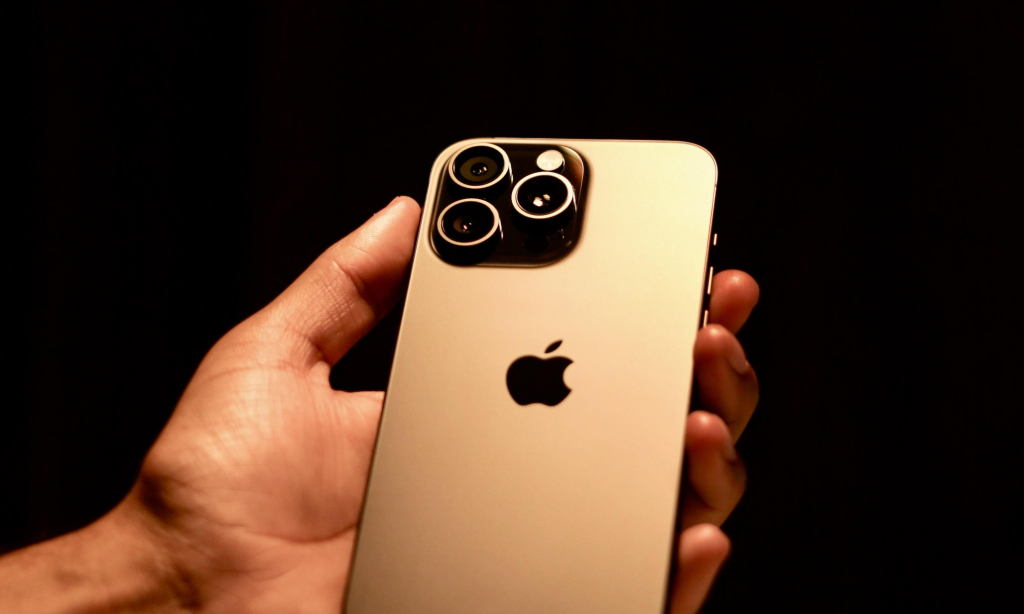
Apple has initiated a targeted lobbying campaign within the Trump administration, seeking official clearance to procure memory chips from ChangXin Memory Technologies (CXMT). This maneuver represents a significant escalation in the company's efforts to mitigate the financial strain caused by a persistent global memory shortage that has forced widespread price hikes across its hardware lineup.
The core of the dispute involves CXMT’s status on the Pentagon’s 1260H list, a designation identifying entities alleged to have ties to the Chinese People’s Liberation Army. While current regulations do not impose a total trade ban on companies appearing on the 1260H list, the designation creates severe reputational and political risks for American firms. Apple’s lobbying effort, which reportedly began more than a month ago, aims to secure guarantees that CXMT will not be moved to the more restrictive Department of Commerce "Entity List."
Related media


The Catalyst: A "Hundred-Year Flood"
The urgency of this lobbying push follows a series of public disclosures regarding the company's financial exposure to the memory market. Apple announced price increases for several product lines, including MacBook and iPad models. Apple CEO Tim Cook has described the current market conditions as a "hundred-year flood," noting that the company can no longer absorb rising component costs alone.
The price volatility is largely attributed to the redirection of global semiconductor manufacturing capacity toward high-bandwidth memory (HBM) required for AI data centers. As primary suppliers like Micron, Samsung, and SK Hynix prioritize these higher-margin products, the availability of commodity DRAM for consumer electronics has plummeted, triggering sharp cost increases.
Regulatory and Political Hurdles
Apple’s strategy faces intense scrutiny from members of Congress who view any partnership with Chinese military-linked firms as a threat to national security. John Moolenaar, Republican chair of the House China Committee, has publicly cautioned against the proposal, stating that it would be a grave mistake
for Apple to assist in China’s dominance of critical supply chains.
This is not Apple’s first encounter with such political friction. In 2022, the company faced significant legislative warnings when it considered sourcing memory from YMTC, another Chinese manufacturer.
Regulatory Status Comparison
| Designation | Agency | Impact on Apple |
|---|---|---|
| 1260H List | Department of Defense | Prohibits government contracting; creates significant reputational and political risk. |
| Entity List | Department of Commerce | Requires export licenses that are likely to be denied; blocks trade. |
What to Watch Next
- Regulatory Decision: The administration has not provided a timeline for a decision on Apple's waiver request.
- Legislative Response: Continued public opposition from Congress may complicate the administration's decision, as lawmakers emphasize the need for secure, domestic, or allied-based supply chains.
- Supply Chain Shifts: Market observers are tracking whether other hardware manufacturers follow Apple's lead in lobbying for access to Chinese-manufactured DRAM to offset AI-driven memory costs.
- Leadership Transition: Internal structural changes at Apple are expected in September 2026, when John Ternus is set to take over the baton from CEO Tim Cook, a transition that coincides with ongoing efforts to stabilize the company's supply chain strategy.
For now, Apple, the White House, and CXMT remain silent on the status of the ongoing negotiations.
How significant is this development?
Contribute your assessment to the aggregated reader intelligence ledger.
Archypedia is dedicated to independent, evidence-backed reporting. This briefing was synthesized from primary source reporting, corroborated across independent newsrooms, and verified against our Editorial Standards.
Transparency record
Evidence behind this report
This report synthesizes 12 distinct sources. Open the source ledger below to compare the underlying coverage.
- appleinsider.com
- finance.yahoo.com
- theverge.com
- cio.economictimes.indiatimes.com
- 9to5mac.com
- scramnews.com
- tomshardware.com
- startupfortune.com
- republicworld.com
- engadget.com
- fortune.com
- thenextweb.com
Prepared under the Archypedia Editorial Policy by the Elena Voss editorial desk profile. AI-assisted tools may support drafting and verification; public accountability remains with Archypedia. Report an error.