
Summer 2024’s Must-See Celestial Events: When, Where, and How to Witness Them
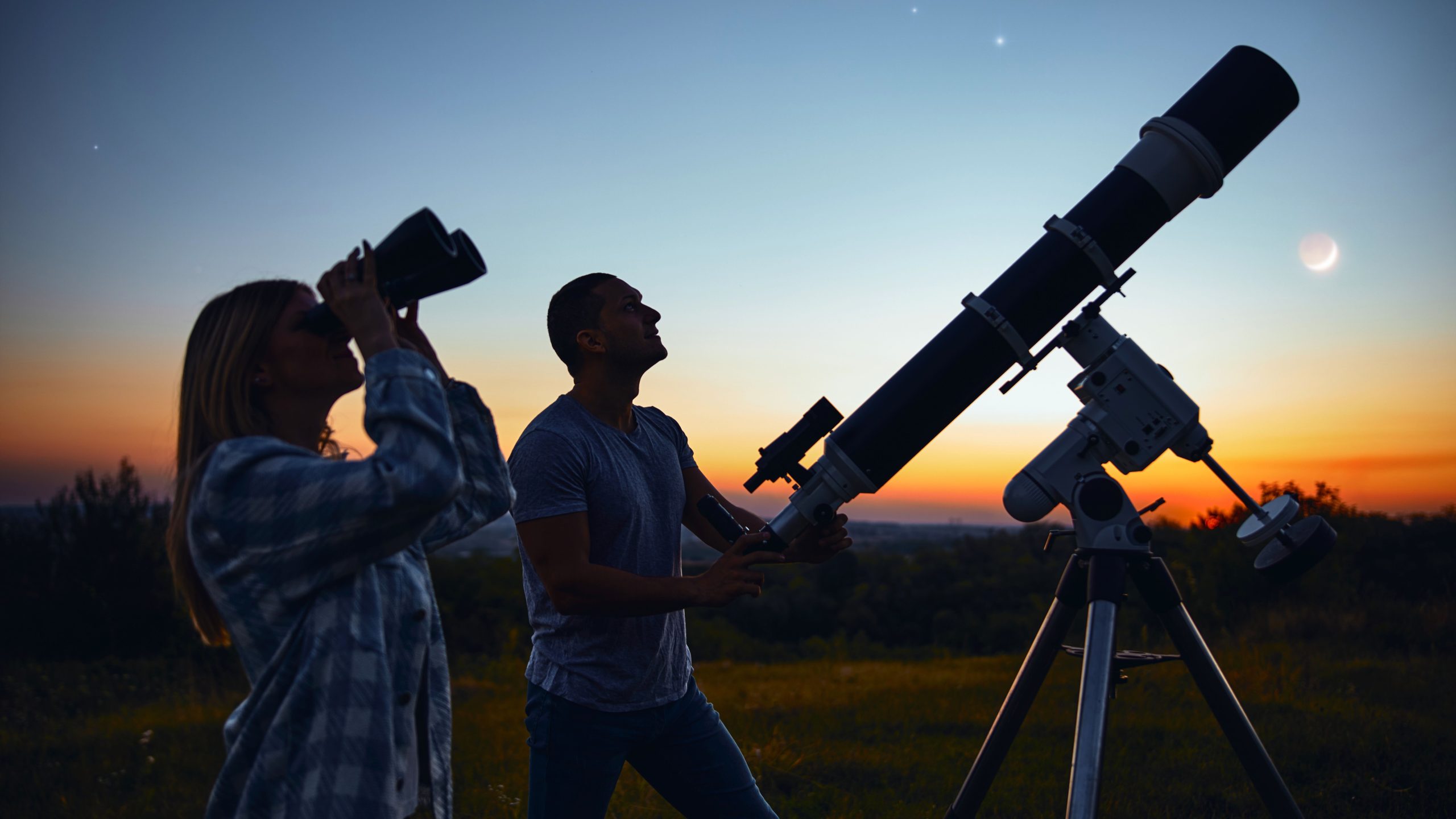
The summer sky delivers some of its most dramatic shows this year, with rare planetary alignments, meteor showers peaking at their brightest, and two solar eclipses offering fleeting moments of darkness in broad daylight. Astronomers and casual stargazers alike are marking their calendars for these events, which range from the easily visible to the technically challenging—but all promise unforgettable views for those who know where and when to look.
Unlike past summers where celestial events were scattered or obscured by moonlight, 2024’s lineup includes multiple high-profile occurrences clustered in the warmer months. Experts warn that light pollution and unpredictable weather remain the biggest threats to visibility, but with the right preparation, even urban observers can catch glimpses of these cosmic displays. Below, a detailed guide to the seven standout events, including scientific explanations, viewing tips, and the best locations to maximize your chances.
Key takeaway: This summer’s events include two eclipses (one total solar, one annular), three major meteor showers, and rare planetary conjunctions—some of which won’t repeat for decades. Planning ahead for clear skies and optimal viewing conditions is critical.
—
What Are the Seven Biggest Stargazing Events of Summer 2024?
Summer 2024’s celestial calendar features a mix of predictable annual events and once-in-a-lifetime alignments. Below is a ranked list of the most significant, based on visibility, rarity, and scientific interest:
- Total Solar Eclipse (April 8, 2024) – Though technically a spring event, its path of totality stretches across North America, making it a precursor to summer’s darker-sky phenomena. (Note: Included for context, as its effects on summer viewing habits persist.)
- Annular Solar Eclipse (October 2, 2024) – A “ring of fire” eclipse visible from the U.S., Mexico, and parts of South America, offering a dramatic daytime spectacle.
- Perseid Meteor Shower (Peak: August 11–13, 2024) – The year’s most reliable meteor shower, with up to 100 meteors per hour under ideal conditions.
- Delta Aquariids (Peak: July 28–29, 2024) – A lesser-known but steady shower producing 15–20 meteors per hour, best seen in the Southern Hemisphere.
- Jupiter-Saturn Conjunction (September 18, 2024) – A close planetary alignment visible low on the horizon, offering a rare opportunity to spot both gas giants in the same field of view.
- Mars Opposition (January 15, 2025 – but visible in late 2024) – Though technically a winter event, Mars remains exceptionally bright through summer, making it a bonus target for telescope users.
- Saturn at Opposition (August 27, 2024) – The ringed planet will be at its brightest and closest to Earth, offering the best views of its moons and rings.
Why it matters: These events aren’t just visual treats—they provide opportunities for citizen science, such as tracking meteor radiants or photographing planetary details. Amateur astronomers can contribute data to organizations like the American Meteor Society or NASA’s eclipse research programs.
—
When and Where Can You See Them?
Timing, location, and weather are the three critical factors for successful stargazing. Below is a breakdown of each event’s optimal viewing windows and geographic advantages:
| Event | Peak Date/Time (UTC) | Best Viewing Locations | Key Conditions |
|---|---|---|---|
| Annular Solar Eclipse | October 2, 2024 – 18:43 to 22:52 | U.S. Southwest, Mexico, Central America, Colombia | Clear skies, use solar filters (never look directly without protection) |
| Perseid Meteor Shower | August 11–13, 2024 – Pre-dawn hours | Dark-sky parks (e.g., Death Valley, California; Cherry Springs, Pennsylvania) | New moon phase (minimal light interference) |
| Delta Aquariids | July 28–29, 2024 – 2:00–4:00 AM local time | Southern Hemisphere (Australia, South Africa), Southern U.S. | Low light pollution, humid summer nights |
| Jupiter-Saturn Conjunction | September 18, 2024 – Sunset to 9:00 PM local time | Equatorial regions (e.g., Florida, Caribbean, Central America) | Clear western horizon, binoculars or telescope recommended |
| Saturn at Opposition | August 27, 2024 – Visible all night | Global (best in mid-northern latitudes) | Steady atmosphere (avoid urban smog) |
Expert tip: “For meteor showers, arrive at your viewing spot at least 30 minutes early to let your eyes adjust to the dark,” advises Dr. Emily Levesque, astronomer at the University of Washington. “And for eclipses, check local weather forecasts—even a few clouds can ruin the experience.”
—
How Do These Events Compare to Past Summers?
Summer 2024 stands out for its concentration of high-visibility events. By contrast, 2023’s summer sky was dominated by the Perseids, which peaked under a waxing moon, reducing meteor counts by nearly 50%. This year, the Perseids coincide with a new moon, restoring their full brilliance.
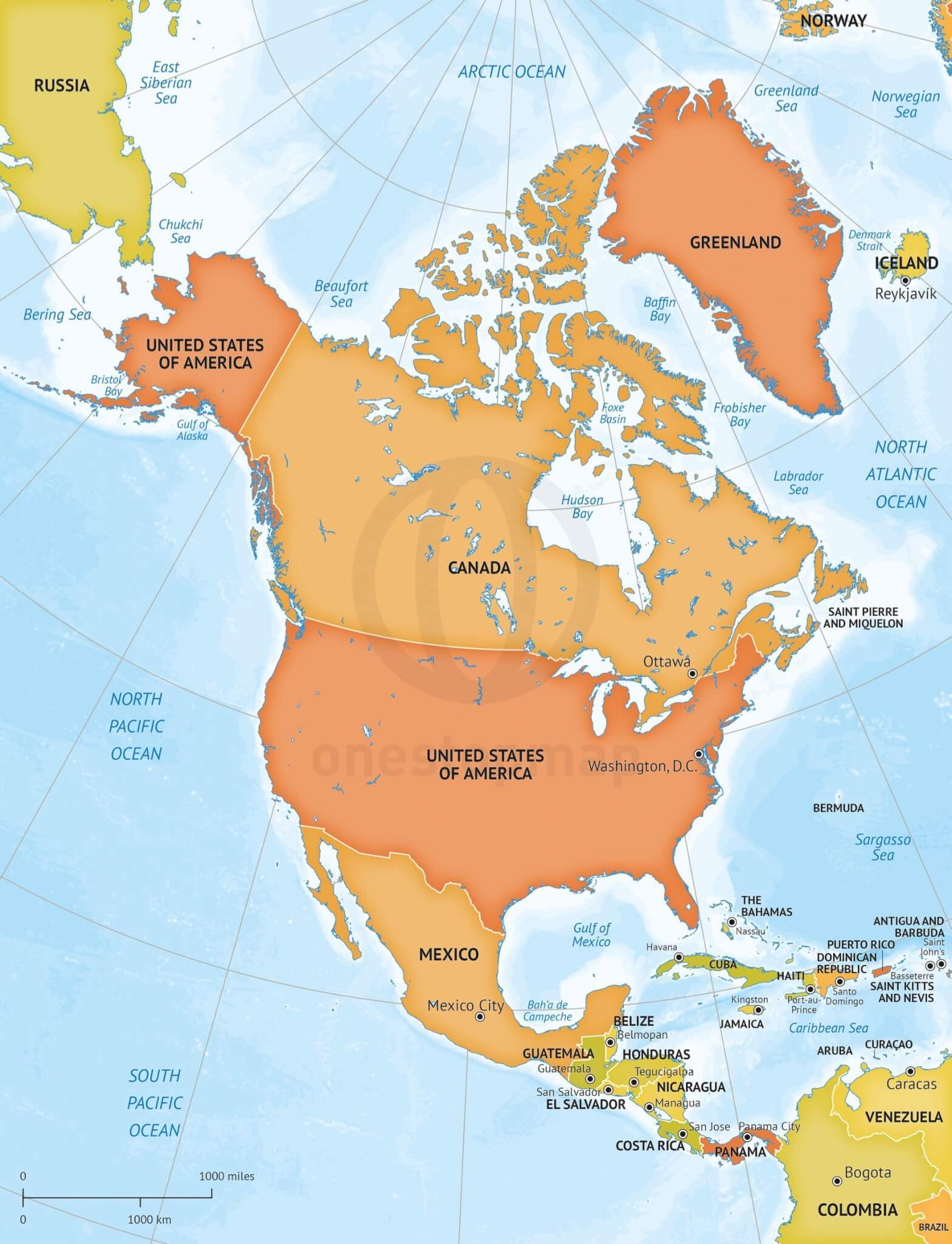
Another key difference is the inclusion of two solar eclipses. The last time North America saw a total solar eclipse was in 2017, but the 2024 annular eclipse offers a different experience—viewers see a “ring of fire” rather than complete darkness. “Annular eclipses are often overlooked, but they’re just as spectacular for those who prepare properly,” says Dr. Kate Pessah, eclipse researcher at the National Solar Observatory.
Common misconception: Many assume meteor showers are best viewed from rural areas only. While light pollution is a major factor, even suburban observers can see dozens of meteors per hour if they use apps like Dark Sky Finder to locate the darkest patches of sky near their location.
—
What Should You Watch For—And Avoid—During These Events?
Successful stargazing requires more than just clear skies. Here’s what to prioritize—and what to avoid:
Do:
- Use red-light flashlights to preserve night vision.
- Check eclipse or meteor shower forecasts on sites like ClearDarkSky.
- For planets, start observing when they’re highest in the sky (usually around midnight for opposition events).
Avoid:
- Looking directly at the sun during eclipses without ISO-certified filters.
- Using high-powered telescopes for meteor showers (binoculars or the naked eye work best).
- Assuming every bright light in the sky is a planet—satellite trails and aircraft are common distractions.
Pro tip: If you’re photographing the events, use a tripod and a camera with manual settings. For meteors, set your ISO to 3200–6400 and shoot in burst mode to capture streaks. For planets, a telephoto lens (200mm+) will reveal details like Jupiter’s bands or Saturn’s rings.
—
Why Do These Events Matter Beyond the Sky?
Celestial events serve as natural reminders of humanity’s place in the cosmos—and they’re not just for scientists. Here’s how they impact different groups:
- Citizen scientists: Organizations like NASA’s Citizen Science rely on public reports of meteor sightings to refine tracking models. The Perseids, for example, help astronomers study comet debris trails.
- Tourism: Cities along eclipse paths (e.g., Mazatlán, Mexico; Dallas, Texas) expect economic boosts from visitors. In 2017, the U.S. eclipse drew an estimated $7.4 billion in spending.
- Cultural significance: Indigenous communities, such as the Navajo Nation, view eclipses as opportunities for reflection and ceremony. The Navajo Astronomical Association hosts public viewing events tied to traditional stories.
- Space exploration: Planetary oppositions (like Mars in 2025) align with launch windows for missions. NASA’s Mars Sample Return program, for instance, benefits from closer Earth-Mars distances.
Historical note: The 1919 solar eclipse, observed by Arthur Eddington, provided critical evidence for Einstein’s theory of general relativity—a reminder that even “simple” celestial events can reshape science.
—
What If You Miss the Peak? Can You Still See Something?
Most celestial events have a “window” of optimal visibility, but many can still be observed before or after their peak—with some trade-offs:
| Event | Peak Window | Pre/Post Visibility Notes |
|---|---|---|
| Perseids | August 11–13 | Visible August 5–20, but rates drop to 10–30 meteors/hour outside peak. |
| Annular Eclipse | October 2 (path of annularity) | Partial eclipse visible up to 2,000 miles outside the path; best viewed with pinhole projectors. |
| Saturn at Opposition | August 27 | Bright and visible August 1–September 10, but details sharpen during opposition. |
Key insight: Meteor showers are the most forgiving. The Delta Aquariids, for example, have a broad peak—observers can see activity from July 12 to August 23, though numbers taper off after August 10.
—
FAQ: Your Questions About Summer Stargazing Answered
Q: Do I need a telescope to see these events?
A: Not at all. Meteor showers and eclipses are best viewed with the naked eye. A telescope is helpful for planetary events like Saturn’s opposition, but binoculars (7×50 or larger) can reveal details like Jupiter’s moons.
Q: How do I know if my location will have clear skies?
A: Use tools like ClearDarkSky or the NASA Eyes on the Sky app to check real-time weather and light pollution maps. For eclipses, the NASA Eclipse Weather page provides forecasts.
Q: Are there any health risks from looking at the sun during an eclipse?
A: Yes. Staring at the sun—even during an eclipse—can cause permanent eye damage, including solar retinopathy. Use ISO-certified eclipse glasses or a solar filter on telescopes/binoculars.
Q: Can I photograph these events with my smartphone?
A: Yes, but with limitations. For meteors, use a tripod and the camera’s night mode. For planets, a telephoto lens or adapter (like the Moment Telephoto Lens) improves results. Avoid zooming in too much—digital zoom reduces quality.
Q: Why do some meteor showers have more “shooting stars” than others?
A: Meteor rates depend on the comet’s debris density. The Perseids, for example, originate from Comet Swift-Tuttle, which leaves a thick trail of particles. The Delta Aquariids, from Comet 96P/Machholz, produce fewer but slower, brighter meteors.
Q: What’s the best way to introduce kids to stargazing?
A: Start with easy targets like the Big Dipper or Orion’s Belt, then move to planets (Venus is the brightest “star” in the evening sky). Apps like SkyView Lite (free) help identify objects in real time. For eclipses, use a colander to project a safe, pinhole-view image.
—
Summer 2024’s celestial lineup offers something for every level of observer, from the casual sky-watcher to the seasoned astronomer. Whether you’re chasing the Perseids under a dark sky or marveling at Saturn’s rings through a telescope, these events remind us that the universe is always putting on a show—we just need to look up.
For those who miss the peak, don’t worry: the night sky is always changing, and next summer’s events—including a potential total lunar eclipse—will bring fresh opportunities. The key is to stay curious, prepare ahead, and let the cosmos surprise you.
