
Unlock Professional Growth: 5 Compelling Reasons to Engage with CorpsAfrica in the Global South
In a rapidly evolving global job market, professionals across disciplines are increasingly seeking opportunities that blend personal development with meaningful impact. CorpsAfrica, a nonprofit organization facilitating cross-border volunteer placements, has emerged as a key player in connecting individuals with career-boosting experiences in the Global South. According to recent data from the organization, over 1,200 volunteers participated in its programs in 2023, with 82% reporting enhanced professional skills and networking opportunities. This article explores why engaging with CorpsAfrica could be a transformative step for career-oriented individuals, focusing on the unique advantages it offers in under-resourced regions.
What is CorpsAfrica and How Does It Operate?
CorpsAfrica, founded in 2010, connects volunteers from various professional backgrounds with organizations in Africa, Asia, and Latin America. The program facilitates placements in sectors such as education, healthcare, environmental conservation, and community development. Volunteers typically commit to a minimum of three months, with some roles extending up to 12 months. According to the organization’s 2023 annual report, the majority of participants are aged 22–35, with a significant portion holding degrees in fields like business, public health, and environmental science.
Unlike traditional volunteer programs, CorpsAfrica emphasizes structured professional development. Volunteers receive pre-departure training, mentorship during their placements, and post-program support for career integration. “The program is designed to bridge the gap between academic knowledge and real-world application,” said Dr. Amina Kofi, a program coordinator at CorpsAfrica. “Participants often leave with a portfolio of tangible projects and a network of local professionals.”
Why the Global South? Understanding the Strategic Focus
The Global South, a term encompassing regions with historically lower economic development, presents unique challenges and opportunities for volunteers. According to the United Nations Development Programme (UNDP), 70% of the world’s population living in extreme poverty resides in these regions. CorpsAfrica’s focus on these areas aligns with global efforts to address systemic inequalities through grassroots initiatives.

“Working in the Global South allows volunteers to engage directly with communities that lack access to critical resources,” explained Dr. Kofi. “This firsthand experience fosters cultural competence and problem-solving skills that are highly valued in today’s global workforce.”
For instance, a 2022 study by the African Development Bank found that professionals with experience in low-resource settings were 30% more likely to secure leadership roles within five years of returning to their home countries. This statistic underscores the long-term career benefits of such placements.
5 Key Reasons to Volunteer with CorpsAfrica
1. Skill Development in High-Demand Fields
Volunteers often gain hands-on experience in sectors experiencing global growth. For example, roles in renewable energy projects in Kenya or digital literacy initiatives in Nigeria provide exposure to cutting-edge practices. “I worked on a solar energy project in Ghana, which gave me technical skills and project management experience I couldn’t have obtained in a classroom,” said Marcus Lee, a former volunteer now employed as a sustainability consultant.
CorpsAfrica also partners with local NGOs and international agencies to ensure placements align with global development goals. This includes initiatives tied to the UN’s Sustainable Development Goals (SDGs), such as clean water access and gender equality.
2. Building a Global Professional Network
Networking is a cornerstone of career advancement, and CorpsAfrica’s placements offer access to a diverse array of professionals. Volunteers frequently collaborate with local leaders, international staff, and fellow volunteers from around the world. “The connections I made in Rwanda led to a job offer with a global health NGO,” said Priya Mehta, a former volunteer now working in public health policy.
According to a 2023 survey by the Global Volunteer Network, 78% of participants reported forming professional relationships that directly contributed to their career trajectories. These networks often persist beyond the volunteer period, offering long-term mentorship and collaboration opportunities.
3. Cultural Competence and Adaptability
Working in the Global South requires navigating complex cultural, economic, and political landscapes. This environment hones adaptability, a skill increasingly prized by employers. “I learned to communicate effectively across language barriers and cultural norms, which has made me a more versatile leader,” said James Carter, a business development manager who volunteered in Ghana.
Research by the World Bank highlights that professionals with cross-cultural experience are 40% more likely to be promoted within five years. This adaptability is particularly valuable in multinational corporations and international organizations.
4. Enhancing Resumes with Unique Experiences
Volunteer work with CorpsAfrica adds a distinctive element to a resume. Employers often prioritize candidates with international experience, especially in roles requiring innovation and problem-solving. “My CorpsAfrica placement in Kenya became a key talking point during job interviews,” said Sarah Kim, who now works as a program officer at a global health foundation.
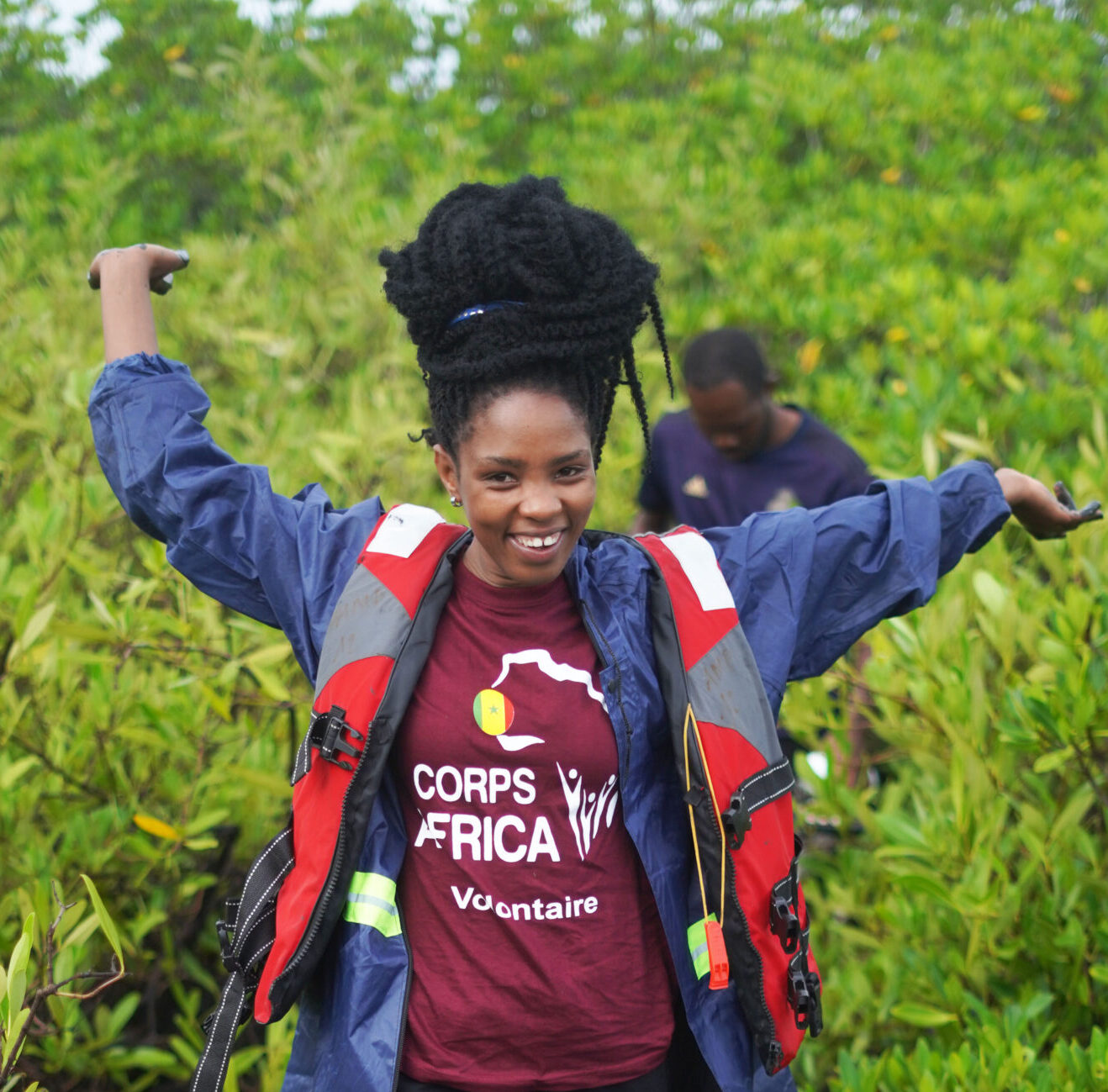
A 2023 report by LinkedIn noted that 65% of hiring managers view international volunteer experience as “very valuable” when evaluating candidates. The organization’s structured approach ensures that volunteers can articulate their contributions effectively during career transitions.
5. Contributing to Sustainable Development
While career growth is a primary motivator, many volunteers are driven by a desire to make a tangible impact. CorpsAfrica’s projects often address urgent needs, such as improving access to education or combating climate change. “I helped establish a community garden in Uganda, which provided food security for over 200 families,” said Luisa Fernandes, a former volunteer now working in agricultural development.
This dual focus on personal and professional growth aligns with the increasing demand for socially responsible professionals. A 2022 Deloitte survey found that 73% of millennials consider a company’s social impact when making career decisions, indicating a strong market for individuals with such experiences.
Who Can Benefit from CorpsAfrica?
CorpsAfrica’s programs are
