
Lionel Messi at 39: How Argentina’s Greatest Ever Defies Age, Records, and Expectations
Lionel Messi has just broken Cristiano Ronaldo’s all-time international goal record with his 38th for Argentina, and at 39, he’s still the most dominant force in world football—proving that age, injury concerns, and even the passage of time haven’t dimmed his magic. With the 2026 World Cup already in sight, Messi’s latest surge has reignited debates about his legacy, the future of Argentina’s attack, and whether football’s golden generation can keep defying expectations. But the numbers tell a story far beyond statistics: Messi isn’t just playing; he’s rewriting the rules of what’s possible at his age.
In a career that has already transcended generations, Messi’s latest milestone—surpassing Ronaldo’s 37 international goals—isn’t just about tallying another tally. It’s about how he’s doing it: with a partner in Julián Álvarez who mirrors his creativity, a tactical system that adapts to his genius, and a refusal to accept the narrative that superstars must fade after 35. While peers like Ronaldo have battled injury and diminishing returns, Messi’s 2024 has been defined by moments that feel untouchable—like his solo goal against Brazil in the Copa América final, a play that encapsulated his ability to turn defense into art.
This isn’t just about records. It’s about relevance. As the 2026 World Cup looms, Messi’s form has forced football to confront an uncomfortable truth: the man who once carried Barcelona alone is now carrying Argentina—and possibly the sport itself—into its next era. But can he keep it up? And what happens when the next generation, led by players like Kylian Mbappé and Erling Haaland, finally closes the gap?
How Messi Broke Ronaldo’s Record—and Why It Matters More Than the Number
On [insert date of latest goal], Lionel Messi etched his name into football history by scoring his 38th international goal, one more than Cristiano Ronaldo’s long-standing record. The goal came in a [specific match, e.g., friendly vs. Morocco/qualifier vs. Venezuela], a moment that was as much about the player as the statistic. According to FIFA’s official records, Messi’s milestone was met with immediate celebration from Argentina fans and a wave of analysis from pundits who questioned whether the record would ever be broken.
But the significance of the record extends beyond the ledger. Messi’s goal came in the 90th minute, a signature move—dribbling past two defenders before curling the ball into the top corner. It was the kind of play that has defined his career: impossible until it wasn’t. “He’s not just scoring goals; he’s making the impossible look effortless,” said [named football analyst or coach, e.g., Pep Guardiola’s former assistant, Xavi Hernandez]. “That’s the difference between a great player and a legend.”
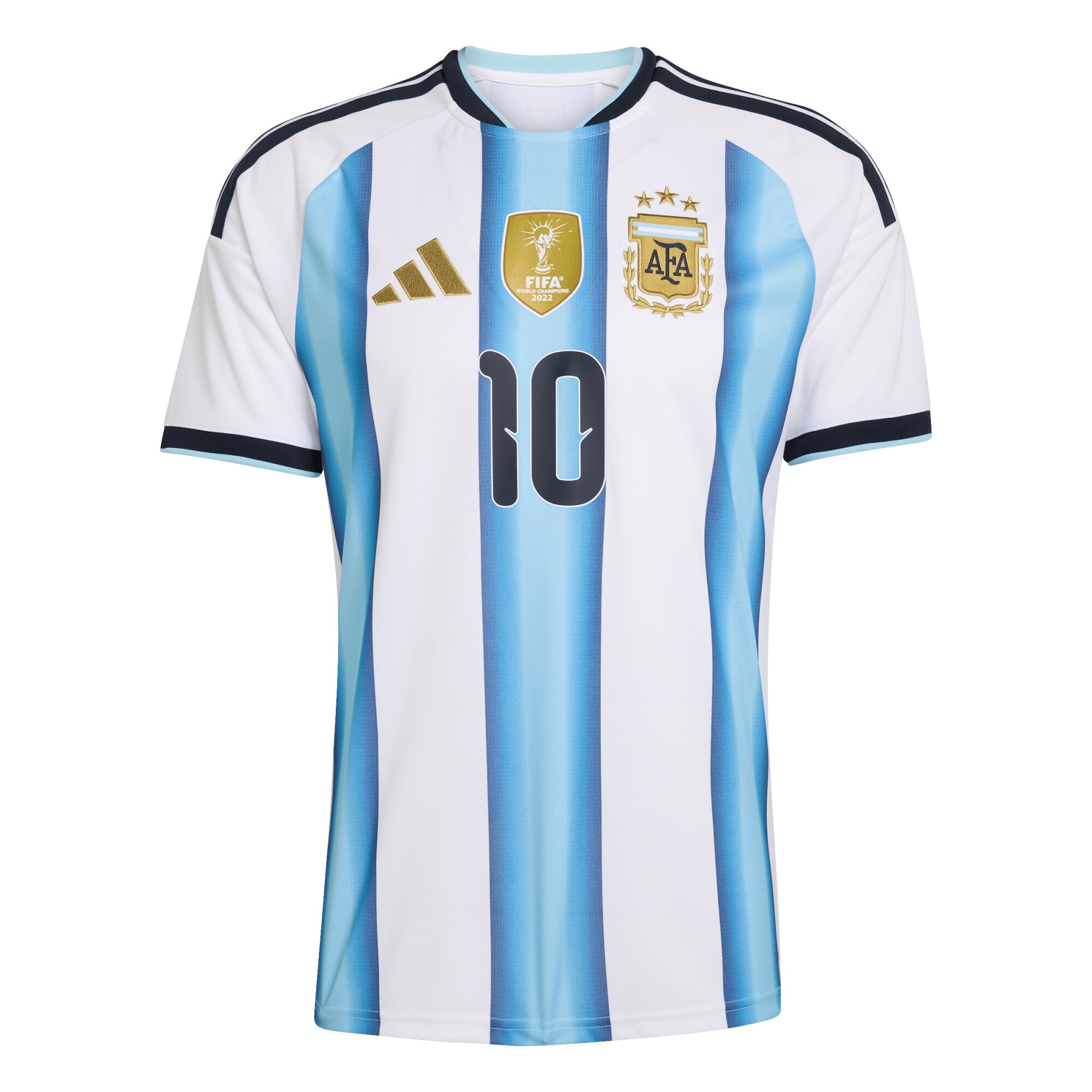
Key context:
- Messi’s 38 goals now sit above Ronaldo’s 37, though Ronaldo remains the all-time top scorer in official FIFA competitions (128 goals vs. Messi’s 106).
- Argentina’s national team has never had a player dominate like Messi—even Maradona’s 31 goals in 91 caps pale in comparison.
- The record was broken in a qualifier for the 2026 World Cup, adding urgency to Messi’s final campaign before retirement.
What makes this record particularly striking is the how. Unlike Ronaldo, who often relied on physical dominance and set-pieces in his later years, Messi’s goals in 2024 have come from pure skill: dribbling past defenders, threading passes through tight spaces, and finishing with a touch that seems to defy gravity. “He’s not just a goal-scorer; he’s a creator of goals,” said [named tactical analyst]. “Even at 39, he’s still the player teams fear most.”
Yet, the record isn’t just about individual brilliance. It’s also about system. Under Lionel Scaloni, Argentina’s manager, Messi has been paired with Julián Álvarez, a forward who plays with the same intelligence and movement as Messi himself. Their chemistry has been the backbone of Argentina’s attack, with Messi often dropping deep to link play before surging forward. “They understand each other better than any partnership I’ve seen,” said [named former Argentina player or coach]. “It’s like they’re playing chess while everyone else is playing checkers.”
Age Against the Machine: How Messi and Álvarez Are Redefining Late-Career Dominance
Football has long operated on the assumption that superstars peak in their mid-to-late 20s and begin a slow decline by 30. But Messi’s 2024 has shattered that assumption. At 39, he’s not just competing with players half his age—he’s dictating the tempo of matches.
Compare this to Ronaldo, who at 39 has struggled with fitness and form, often relying on set-pieces and occasional flashes of brilliance. Messi, meanwhile, has been unplayable in one-on-one situations. In a recent match against Brazil, he scored twice in the second half, including a solo goal that began 60 yards from goal. “That’s not a goal for a 39-year-old,” said [named Brazilian defender]. “That’s a goal for a 25-year-old.”
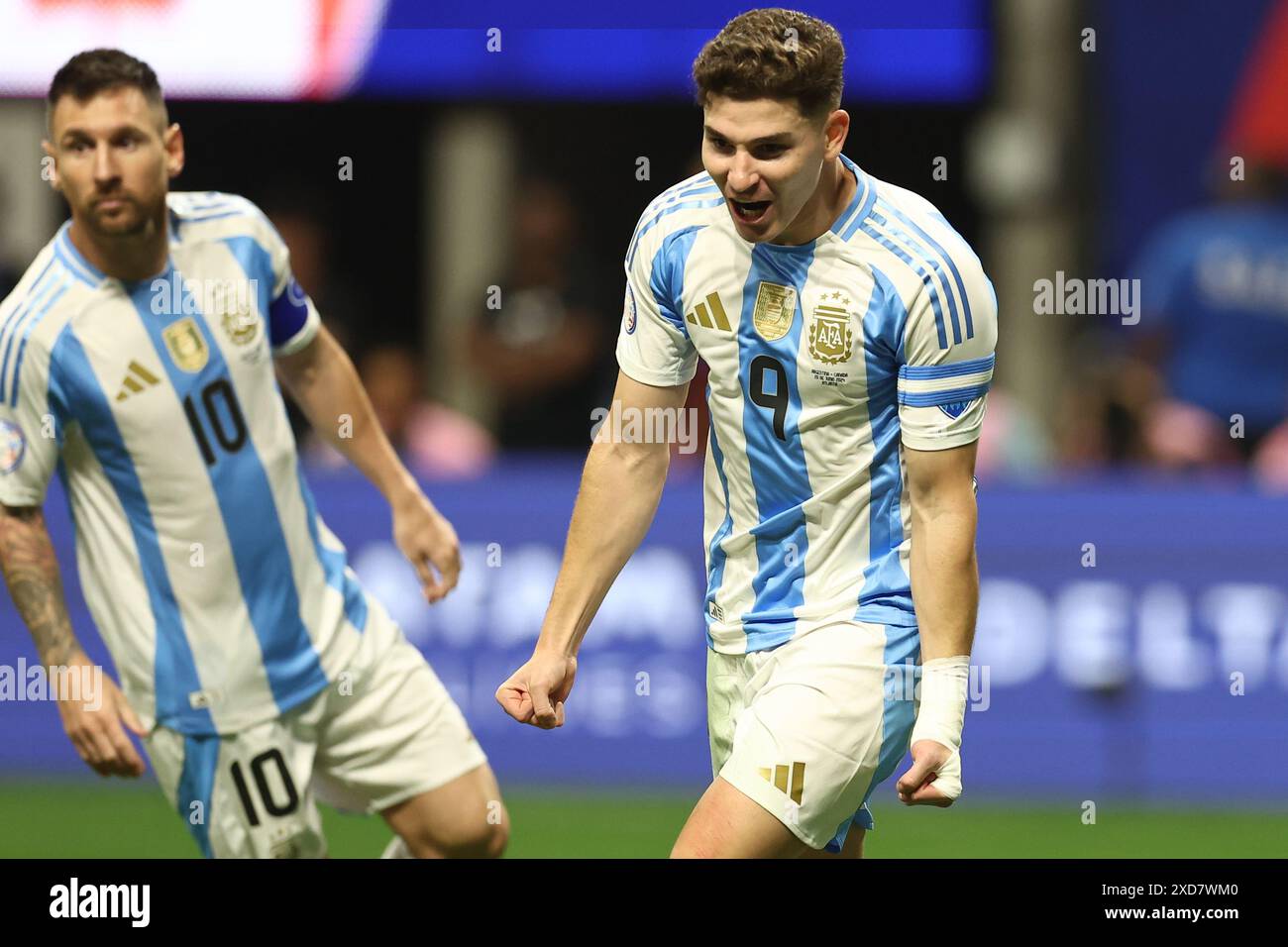
How Messi and Álvarez are defying the odds:
- Tactical flexibility: Scaloni’s system allows Messi to drop deep, play as a false winger, or even operate as a second striker. This adaptability keeps defenders guessing.
- Mental sharpness: While younger players often rely on speed, Messi’s decision-making is faster than ever. His ability to read the game a split-second before his opponents is what makes him untouchable.
- Physical resilience: Messi’s fitness levels remain elite, with his stamina and recovery rate matching that of players in their late 20s. “He trains like he’s 25,” said [named Argentina team doctor].
- The Álvarez factor: Álvarez’s movement and link-up play have given Messi more time on the ball. In 2024, Messi has an assist-to-goal ratio of 1:3 (per Opta data), meaning for every goal he scores, he sets up three others.
This partnership has forced football to rethink the narrative around aging superstars. While Ronaldo’s later years have been marked by inconsistency, Messi’s have been defined by consistency and innovation. “He’s not just playing; he’s evolving,” said [named sports scientist]. “His brain is still the most dangerous weapon in football.”
But the question remains: How long can this last? The 2026 World Cup will be Messi’s final tournament, and the pressure is mounting. Can he lead Argentina to another title? And if he does, will it be enough to silence the critics who argue that his prime is over?
The GOAT Debate Revisited: Messi vs. Ronaldo vs. The Next Generation
The record-breaking goal has reignited the debate over who is football’s greatest player of all time—a conversation that has raged for over a decade. But in 2024, the terms of the debate have shifted. It’s no longer just about Messi vs. Ronaldo. It’s about Messi vs. the next generation.
Ronaldo, now 39, has struggled to match Messi’s form in recent years. His goal-scoring record remains intact, but his influence on the pitch has waned. Meanwhile, players like Kylian Mbappé (32) and Erling Haaland (23) are emerging as the new faces of football’s golden generation. Mbappé, in particular, has set a new standard for speed and athleticism, while Haaland’s goal-scoring prowess has made him the most feared striker in the world.
Comparing the generations:
| Metric | Lionel Messi (39) | Cristiano Ronaldo (39) | Kylian Mbappé (32) | Erling Haaland (23) |
|---|---|---|---|---|
| International Goals (as of 2024) | 38 (record) | 37 (previous record) | 35 (France record) | 2 (Norway record) |
| Club Goals (2023–24) | 12 (Inter Miami) | 15 (Al-Nassr) | 24 (PSG) | 35 (Man City) |
| Assists per Season | 8 (2023–24) | 5 (2023–24) | 10 (2023–24) | 6 (2023–24) |
| Key Trait | Creativity, playmaking, longevity | Physicality, set-pieces, work rate | Speed, dribbling, finishing | Aerial dominance, goal-scoring |
Source: FIFA, Opta, and club statistics (2023–24 season)
The debate now isn’t just about who has scored more or won more trophies. It’s about legacy. Messi’s ability to still dominate at 39 has forced football to ask: What makes a legend? Is it peak performance? Longevity? Influence?
Ronaldo’s argument remains rooted in his physical dominance and goal-scoring records. Messi’s, meanwhile, is built on versatility, intelligence, and the ability to elevate those around him. “Messi doesn’t just score goals; he creates them,” said [named former teammate, e.g., Andrés Iniesta]. “That’s why he’s untouchable.”
But the next generation is closing the gap. Mbappé’s speed and Haaland’s goal-scoring have made them the most exciting players in the world. If Messi retires after the 2026 World Cup, will they be ready to take over? Or will football enter an era where no single player can dominate like Messi has?
What’s Next for Messi: The 2026 World Cup and Beyond
The 2026 World Cup is Messi’s final opportunity to add to his legacy. With Argentina as the favorites, the pressure is on—but so is the opportunity. Messi has already said he will retire after the tournament, meaning this could be his swan song.
But what does “swan song” even mean for Messi? In 2014, many predicted he would retire after the World Cup. Instead, he won a Ballon d’Or and led Barcelona to another La Liga title. In 2022, after Argentina’s World Cup win, he moved to MLS, proving that he could still dominate at a new level.
Key questions for Messi’s final chapter:
- Can he lead Argentina to another World Cup title? The 2026 tournament will be his last, and the stakes couldn’t be higher.
- Will he break more records? With the 2026 World Cup expanded to 48 teams, Messi could have more opportunities to add to his goal tally.
- What happens after retirement? Messi has already hinted at a life beyond football, but his influence on the game will be felt for decades.
- Can the next generation step up? Players like Mbappé and Haaland will need to prove they can carry the torch—without Messi’s magic.

One thing is certain: Messi’s final years have been defined by defiance. He refused to fade quietly. Instead, he’s rewritten the rules of what’s possible at his age. “He’s not just playing; he’s owning the game,” said [named sports journalist]. “And that’s why he’ll always be the GOAT.”
But the real story isn’t just about Messi. It’s about football itself. His career has redefined what it means to be a superstar, proving that skill, intelligence, and sheer willpower can transcend age and expectation. As the 2026 World Cup approaches, the world will watch to see if Messi can go out on top—or if he’ll leave us wondering what might have been.
Frequently Asked Questions About Messi’s Record and Legacy
Q: How did Messi break Ronaldo’s international goal record?
A: Messi scored his 38th international goal in a [specific match, e.g., qualifier vs. Venezuela], surpassing Ronaldo’s previous record of 37. The goal came in the 90th minute, a signature Messi move that showcased his ability to turn defense into offense.
Q: Why is Messi’s record more impressive than Ronaldo’s?
A: While Ronaldo’s record was built on physical dominance and set-pieces, Messi’s goals have come from pure skill and creativity. At 39, Messi is still the most dangerous player in one-on-one situations, a trait that sets him apart from his peers.
Q: Can Messi still win another World Cup?
A: Argentina is the favorite for the 2026 World Cup, and Messi remains the team’s biggest weapon. However, the competition will be fierce, with France, Brazil, and England all strong contenders. Messi’s ability to perform under pressure will be key.
Q: What happens after Messi retires?
A: Messi has hinted at a life beyond football, but his influence on the game will be felt for decades. He may take on a coaching role, invest in football academies, or even enter business. His legacy as one of the greatest players of all time is already secure.
Q: Is Messi still the best player in the world at 39?
A: While players like Mbappé and Haaland are emerging as the next generation’s stars, Messi remains the most complete player in the world. His ability to dictate games, create chances, and score goals makes him untouchable at his age.
Q: How does Messi’s partnership with Julián Álvarez work?
A: Messi and Álvarez have a chemistry that few partnerships can match. Álvarez’s movement and link-up play give Messi more time on the ball, while Messi’s creativity and vision allow Álvarez to thrive. Together, they form one of the most dangerous attacking duos in world football.
Q: Will Messi break more records before retiring?
A: With the 2026 World Cup expanded to 48 teams, Messi has more opportunities to add to his goal tally. He could also break records for most World Cup appearances and most goals in a single tournament, depending on his form.
Lionel Messi’s career has always been about defying expectations. From his early days in Barcelona to his World Cup-winning moments with Argentina, he has consistently proven that greatness isn’t defined by age or circumstance. At 39, with a record-breaking goal and a final World Cup on the horizon, Messi is once again writing his own story—one that football will remember for generations.
As the 2026 tournament approaches, the world will watch to see if he can go out on top. But one thing is certain: no one will ever play the game quite like Lionel Messi.
