/i.s3.glbimg.com/v1/AUTH_da025474c0c44edd99332dddb09cabe8/internal_photos/bs/2023/Z/0/lGWwN9QhOhz7BYknLxHQ/105154618-commuters-get-into-a-bus-in-sao-paulo-brazil-on-november-28-2023-during-a-strike-called-by.jpg "105154618-commuters-get-into-a-bus-in-sao-paulo-brazil-on-november-28-2023-during-a-strike-called-by.jpg")
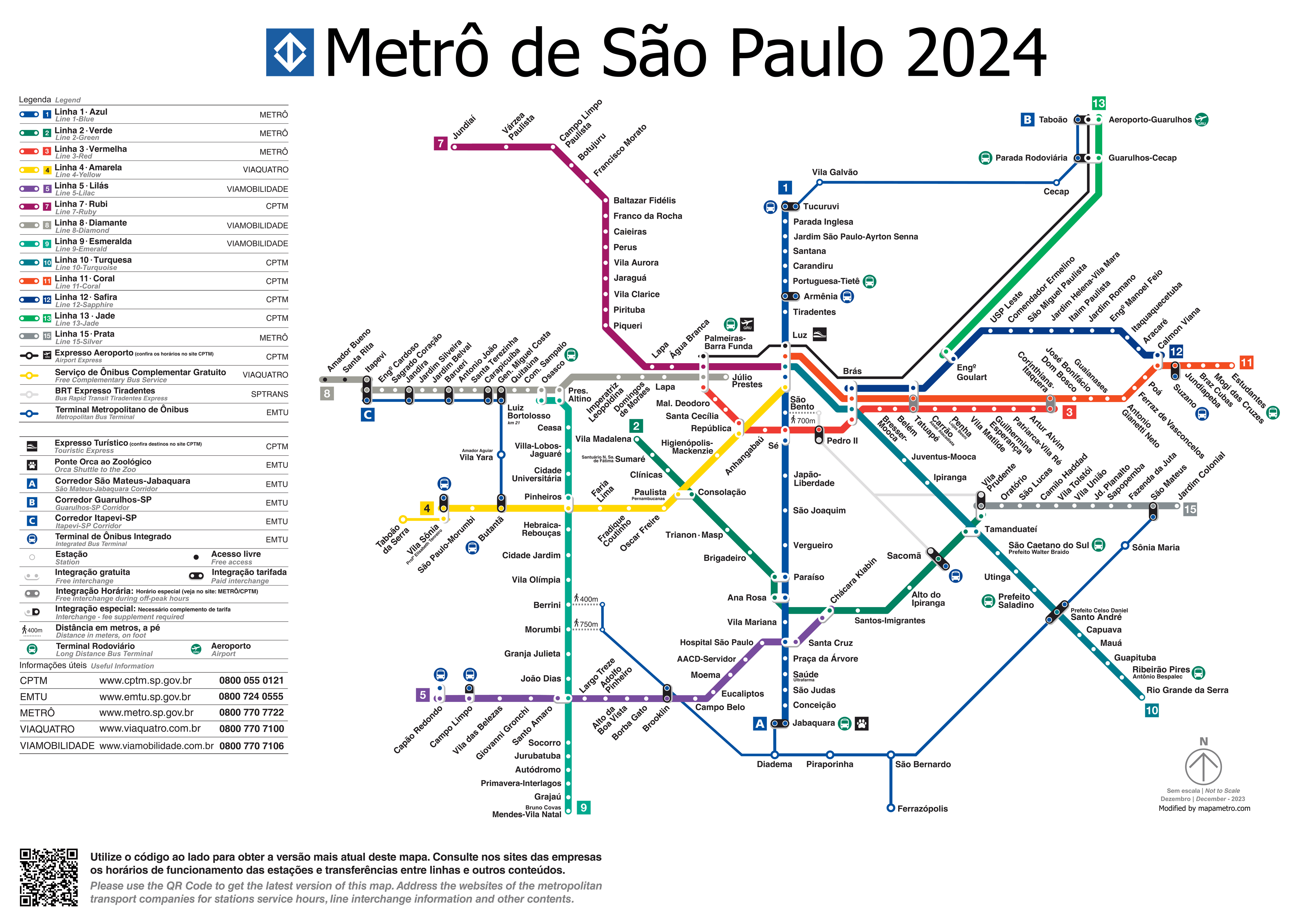
Organized crime gangs in São Paulo that have long dominated the city’s bus system are now targeting the digital ticketing infrastructure of the Metrô and CPTM, according to local media reports. The move marks a shift from physical control of public transit to potential cyber and operational disruption of automated fare collection systems, raising concerns over the vulnerability of urban transit technology to criminal infiltration.
Why Are Crime Groups Moving Into Digital Transit Systems?
The gangs, known for controlling bus routes through extortion and violence, are reportedly attempting to gain influence over the Metrô—São Paulo’s subway system—and the CPTM, a commuter rail network. According to reports, their strategy involves infiltrating the ticketing systems, which rely on digital payment terminals and automated validation gates. Unlike traditional cash-based systems, these modern setups are connected to central databases, creating new attack vectors.
“The transition to digital ticketing has created blind spots that criminals can exploit,” said a security analyst with direct knowledge of São Paulo’s transit systems. “These systems are often built with efficiency in mind, not security. Now, gangs are leveraging that oversight.”
How Digital Ticketing Systems Work—and Where They’re Vulnerable
The Metrô and CPTM use a mix of contactless smart cards and mobile ticketing solutions, similar to systems deployed in cities like London and Tokyo. Each transaction is recorded in a central database, which can be queried for real-time fare validation. However, these systems also introduce risks:
- Centralized databases: A breach could allow fraudulent transactions or even system-wide disruptions.
- Third-party vendors: Many transit agencies outsource ticketing software to private firms, creating additional entry points for attackers.
- Legacy integration: Older mechanical turnstiles and digital systems often run on separate networks, making unified security harder to enforce.
In 2022, a similar incident in Rio de Janeiro saw organized groups tamper with electronic fare machines to siphon funds, demonstrating how digital systems can be weaponized. São Paulo’s transit authorities have not yet confirmed whether the current attempts involve direct hacking or more traditional methods like insider collusion.
What This Means for Urban Transit Security
The shift from physical to digital control reflects a broader trend: as cities modernize their infrastructure, criminals adapt their tactics. For São Paulo’s transit agencies, the immediate challenge is securing their ticketing systems against both external cyber threats and internal corruption. Long-term, the incident underscores the need for transit authorities to:
- Implement multi-factor authentication for administrative access to ticketing systems.
- Conduct regular penetration testing on digital fare collection networks.
- Establish real-time fraud detection to flag unusual transaction patterns.
Experts warn that without proactive measures, the cost of cybercrime in urban transit could soon surpass traditional physical theft. “This isn’t just about losing money—it’s about losing trust in the entire system,” said a cybersecurity researcher who has advised Latin American transit agencies.
What Happens Next?
São Paulo’s transit authorities have not disclosed specific security upgrades in response to the reports, but local media suggest they are reviewing contracts with third-party vendors responsible for ticketing software. The city’s public security secretary has pledged to “intensify surveillance” of transit-related cyber threats, though no concrete actions have been announced.
For now, the focus remains on containment. If successful, the gangs’ move could set a precedent for other cities where digital transit systems remain underprotected. The case also serves as a cautionary tale for urban planners: as technology replaces analog systems, so too do the methods of those who seek to exploit them.
