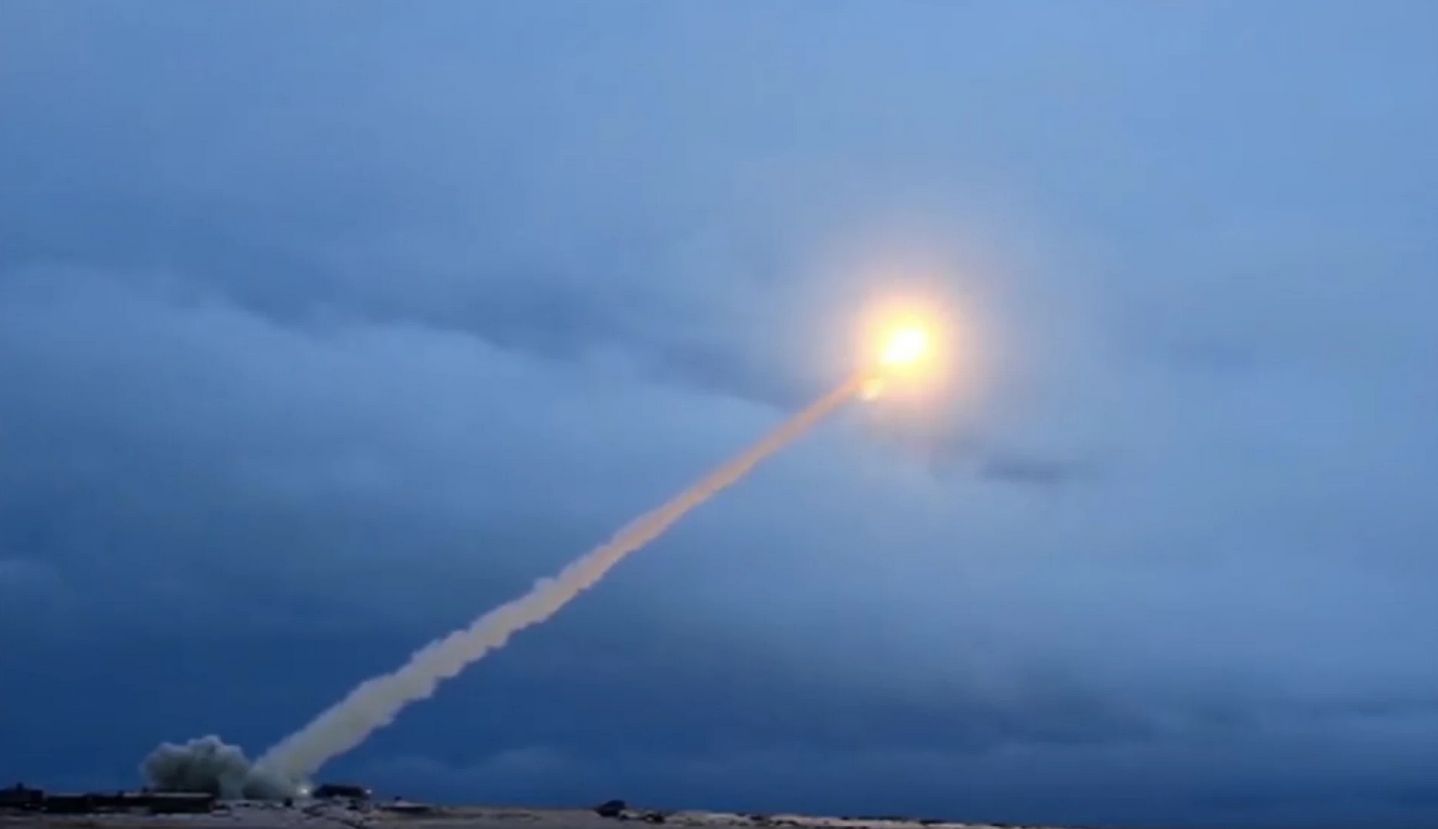
Russian defense officials have unveiled details about a nuclear-powered missile system, codenamed “Buriewiestnik,” which experts suggest could operate with “unlimited range” due to its onboard reactor, according to multiple reports. The development has sparked international scrutiny over its implications for global security and military technology.
The missile, described by Russian state media as a “strategic weapon,” is said to use a compact nuclear reactor to power its propulsion system, eliminating the need for traditional fuel. This design could theoretically allow the weapon to remain airborne for extended periods, according to analyses by researchers at the Massachusetts Institute of Technology (MIT).
Technical Overview
The Buriewiestnik’s core innovation lies in its nuclear reactor, which provides continuous energy for propulsion. Unlike conventional missiles that rely on chemical fuels, this system could enable prolonged flight, making interception significantly more challenging. Experts note that such a design would require advanced shielding to protect the warhead and ensure safe operation.
“A reactor-powered missile would fundamentally alter the calculus of deterrence,” said Dr. Elena Volkova, a defense analyst at the Institute for Strategic Studies. “The ability to loiter for extended periods changes how adversaries must plan their defenses.”
Global Reactions and Concerns
The announcement has drawn mixed responses from international defense experts. While some acknowledge the technological advancement, others question its practicality and safety. A report by the European Union’s Atomic Energy Agency highlighted risks associated with deploying a nuclear reactor in a military platform, including potential radiation leaks and environmental hazards.
“The concept is not new, but its implementation raises critical questions about control and accountability,” said Dr. Marcus Lee, a nuclear engineering professor at Stanford University. “Even with safeguards, the presence of a reactor in a weaponized system introduces unpredictable variables.”
U.S. officials have not publicly confirmed details about the Buriewiestnik but have emphasized the need for transparency in nuclear advancements. A statement from the Department of Defense noted, “Any development involving nuclear technology requires rigorous oversight to prevent escalation of global tensions.”
What This Means for Military Strategy
The potential deployment of reactor-powered missiles could shift the balance of power in strategic conflicts. Analysts suggest that such weapons might be used to target high-value assets with minimal risk of detection during transit. However, the long-term viability of the technology remains uncertain, with challenges in miniaturizing reactors and ensuring operational reliability.
“This isn’t just about range—it’s about redefining the boundaries of what’s possible in military logistics,” said Dr. Rajesh Patel, a defense technology expert at the University of Cambridge. “But the real test will be whether this system can be integrated into existing defense frameworks without creating new vulnerabilities.”
As the debate continues, the Buriewiestnik underscores the evolving nature of nuclear warfare and the urgent need for international dialogue on emerging technologies. The next steps will depend on how governments balance innovation with the imperative to prevent catastrophic misuse.
