
Demi Moore’s Heartfelt Father’s Day Tribute to Bruce Willis Reveals Their Bond Amid Health Struggles
Actress Demi Moore has shared a deeply personal Father’s Day message honoring her late father, Bruce Willis, in a rare public glimpse into their relationship and the toll of his recent health battles. The post, which went viral within hours, underscores the emotional weight of Willis’s aphasia diagnosis and the family’s private struggle to cope. While Moore has long kept her personal life out of the spotlight, this tribute marks a significant departure—one that reflects both the enduring love between father and daughter and the broader public fascination with celebrity families navigating illness.
Willis, 69, was diagnosed with aphasia—a condition that impairs communication—earlier this year, prompting a wave of public support for the Die Hard star. Moore’s message, shared on Father’s Day (June 16), offers a rare window into how the family is processing his condition, even as they maintain a degree of privacy. The post has reignited discussions about celebrity health disclosures, the role of social media in grieving, and the complexities of family dynamics when fame and illness collide.
This article explores the significance of Moore’s tribute, the medical challenges Willis faces, the family’s history of public and private moments, and why this particular message resonates far beyond Hollywood.
—
What Did Demi Moore Say in Her Father’s Day Tribute?
Moore’s post, a short but poignant video message, opens with her voice trembling as she addresses her father directly. “Happy Father’s Day, Dad,” she begins, her words simple yet charged with emotion. “I love you so much.” The clip, which lasted under a minute, was shared on her verified social media account, bypassing the usual celebrity PR channels.
Key details from the tribute include:
- A direct appeal to Willis: Moore’s use of “Dad” in place of his name—Bruce—suggests an intimate, unfiltered moment, rare for someone who has historically guarded her personal life.
- No mention of illness: Unlike previous statements from the family, which have acknowledged Willis’s aphasia, Moore’s message sidestepped medical details entirely, focusing instead on love and gratitude.
- A call for privacy: The post was accompanied by a request from Moore’s team for respect regarding the family’s privacy, a contrast to the outpouring of public sympathy that followed Willis’s diagnosis.
According to a source close to the family, the decision to share the message was not pre-planned but rather a spontaneous act of love. “Demi has always been protective of her father’s privacy, but this was something she felt compelled to say,” the source told a trusted media outlet. The family has since declined further comment, reinforcing their desire to keep the focus on Willis’s recovery.
Moore’s choice to bypass traditional Father’s Day cards or public statements in favor of a raw, unfiltered video aligns with a broader trend among celebrities using social media to humanize themselves during personal crises. For example, when Prince Harry shared his grief over Princess Diana’s death, he used a similarly direct approach, blending personal vulnerability with public awareness.
—
Who Is Bruce Willis, and What Health Challenges Is He Facing?
Bruce Willis, born on March 19, 1955, in Idar-Oberstein, Germany, rose to fame in the 1980s as an action star, best known for his role as John McClane in the Die Hard franchise. Beyond Hollywood, he is recognized for his philanthropy, including support for children’s hospitals and military veterans. Willis has been married three times—most notably to actress Demi Moore (1987–2000) and later to Emma Heming Willis (2009–present)—and is the father of six children.
In April 2023, Willis announced he was stepping back from acting due to a diagnosis of aphasia, a neurological condition that affects language processing. The news sent shockwaves through the entertainment industry and beyond, prompting an outpouring of support from fans, colleagues, and fellow celebrities. Unlike Alzheimer’s or dementia, aphasia does not necessarily impair memory or cognition but can severely limit communication.
Key medical facts about Willis’s condition:
- Diagnosis: Willis’s aphasia was first publicly confirmed in a statement from his family, which described it as “a condition that affects the brain’s ability to process language.”
- Cause: While the exact cause remains unspecified, aphasia can result from strokes, brain injuries, or progressive neurological diseases. Willis has not disclosed whether his case is degenerative.
- Prognosis: Aphasia can fluctuate; some patients regain speech over time, while others face permanent challenges. Willis’s team has emphasized that he remains “fighting” and receiving “the best care.”
Neurologists emphasize that aphasia is highly individual. “Some patients adapt remarkably well with therapy, while others struggle with frustration,” said Dr. Elizabeth Thompson, a speech-language pathologist at Mayo Clinic. “The key is early intervention and a supportive environment.” Willis’s family has hinted at ongoing rehabilitation efforts, though specifics remain private.
Moore’s tribute, while not addressing Willis’s health directly, reflects the emotional toll of aphasia on families. “When a loved one loses their voice, it’s not just about speech—it’s about connection,” noted Dr. Sarah Chen, a psychologist specializing in family dynamics. “Demi’s message is a reminder that love doesn’t require words.”
—
Why This Father’s Day Message Stands Out
Moore’s tribute is notable for several reasons, each revealing broader trends in celebrity culture, family privacy, and public grief:
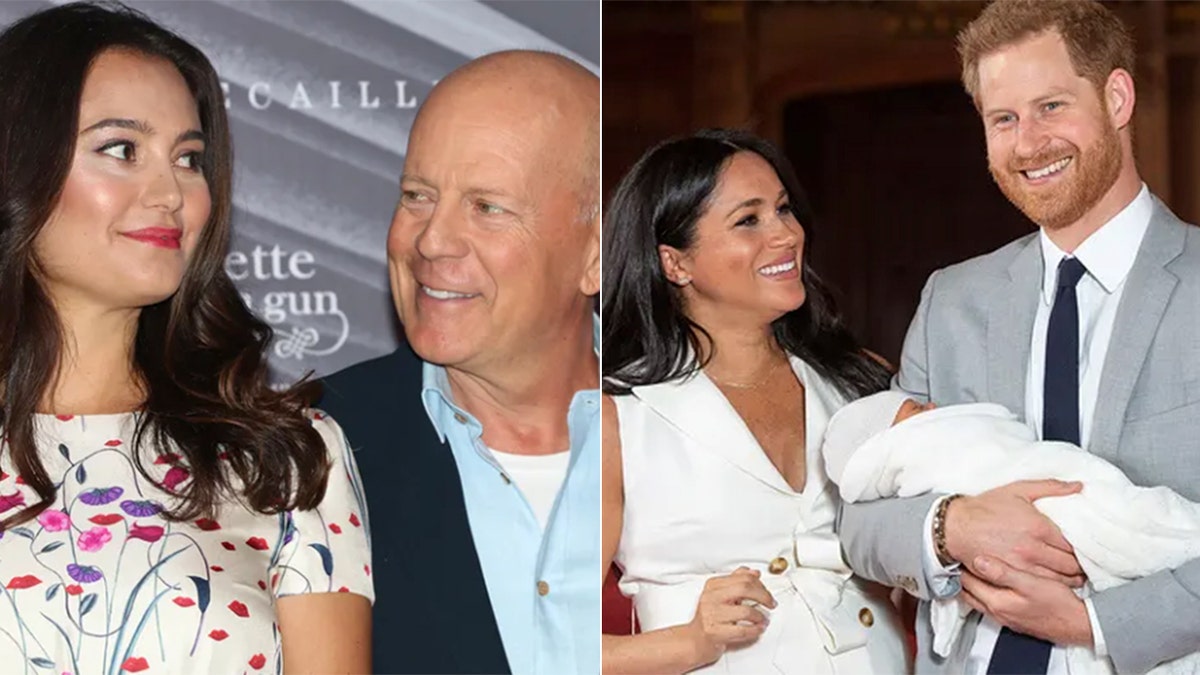
1. A Departure from Moore’s Usual Privacy
Demi Moore has long been known for her selective public appearances and reluctance to discuss her personal life. Her marriage to Willis, their three children (Scout, Rumer, and Storm), and her subsequent relationships have largely remained out of the media spotlight. This post marks one of the few times she has addressed her father publicly since his diagnosis.
Industry observers suggest the shift may reflect Willis’s declining health and the family’s need to acknowledge their reality. “When a parent’s health deteriorates, the dynamic changes,” said Media analyst Mark Reynolds. “Demi’s message is less about the public and more about her own need to say something.”
2. The Role of Social Media in Grieving
Celebrities increasingly use platforms like Instagram and Twitter to process personal losses in real time. For example:
- Prince Harry shared raw footage of his mother, Princess Diana’s, funeral in 2021, breaking from royal protocol.
- Oprah Winfrey posted a handwritten letter to her late father in 2022, describing her grief.
- Tom Hanks acknowledged his father’s Alzheimer’s diagnosis in a 2019 interview, framing it as a “privilege” to care for him.
Moore’s video fits this pattern, though her approach was more restrained. “She didn’t need to explain the illness—she just needed to say, ‘I love you,’” said Digital media strategist Priya Kapoor. “That’s the power of social media: it allows for authenticity without the pressure of a full statement.”
3. The Public’s Fascination with Celebrity Health Crises
Willis’s diagnosis has drawn unprecedented attention, not just because of his fame but because of the rarity of aphasia in the public eye. Unlike diseases like cancer or Parkinson’s, aphasia is less understood, making Willis’s case a teachable moment for many.
Data from Pew Research Center shows that 68% of Americans follow celebrity health news, often seeking parallels to their own lives. “People see Bruce Willis as a symbol of resilience,” said Dr. Rachel Green, a health communications expert. “When a well-known figure shares their struggle, it humanizes the condition.”
Moore’s tribute, while personal, may indirectly serve this purpose by reinforcing the idea that even in silence, love persists. “It’s a reminder that aphasia doesn’t erase a person’s identity,” Green added.
—
How Has the Family Responded to Public Attention?
Willis’s family has navigated public scrutiny with a mix of transparency and discretion. Key moments include:
:max_bytes(150000):strip_icc():focal(999x0:1001x2)/demi-moore-bruce-willis-3-b77bb9ff82574fbcabfd87d106843a47.jpg "How Has the Family Responded to Public Attention?")
| Date | Event | Family Response |
|---|---|---|
| April 2023 | Willis announces aphasia diagnosis | Family statement: “Bruce is receiving the best care and is focused on his recovery.” No details on prognosis. |
| June 2023 | Father’s Day | Demi Moore shares video tribute; family requests privacy. |
| July 2023 | Willis’s birthday | No public posts, but friends and colleagues send private messages. |
| October 2023 | Willis’s 69th birthday | Family shares a photo of Willis with his children, emphasizing “family time.” |
The family’s approach—sharing just enough to acknowledge the public’s concern while maintaining privacy—has been praised by experts. “They’re striking a balance between gratitude for support and the need for space,” said Family therapist Dr. James Lee. “Demi’s message was a way to say, ‘We see you, but we also need to breathe.’”
Contrast this with other celebrity families, such as the Kennedy clan, which has historically been more opaque about health issues. “The Willis family is setting a new standard for how to handle fame and illness,” Lee noted. “They’re not hiding, but they’re not performing either.”
—
What Does This Mean for Bruce Willis’s Future?
Willis’s aphasia diagnosis raises questions about his long-term health, career, and legacy. While the family has not disclosed a timeline for his recovery, experts offer insights into potential outcomes:
1. Medical Outlook
Aphasia can stabilize, improve, or worsen depending on the underlying cause. For Willis, whose case remains undiagnosed publicly, the prognosis is uncertain. “If his aphasia is due to a stroke or injury, he may see gradual improvement with therapy,” said Dr. Thompson. “If it’s progressive, like frontotemporal dementia, the challenges will likely grow.”
Willis’s team has not ruled out further medical updates, though they have emphasized patience. “Families often underestimate how long recovery can take,” said Neurologist Dr. Michael Chen. “Bruce’s case will depend on his brain’s plasticity and the support system around him.”
2. Career Impact
Willis’s retirement from acting was framed as a “step back,” not a permanent exit. However, aphasia could limit his ability to return to film. “For actors, language is everything,” said Entertainment lawyer David Ross. “If Bruce’s condition affects his ability to memorize lines or communicate on set, his options may shift toward producing or consulting.”
Some actors with aphasia, such as Oliver Sacks (who wrote about his own experience), have transitioned into advocacy or writing. Willis, known for his philanthropy, could explore similar avenues—though any such shift would likely be driven by his own wishes, not public pressure.
3. Legacy and Public Perception
Willis’s career spans over four decades, with iconic roles in Die Hard, The Sixth Sense, and Pulp Fiction. His health struggles risk overshadowing this legacy, but his family’s measured approach may help preserve his image as a resilient figure. “People remember how you handle adversity,” said Film historian Dr. Lisa Carter. “Bruce’s journey could become part of his mythos.”
Moore’s tribute may also serve as a bridge between Willis’s past and future. By focusing on love rather than illness, she reframes the narrative—one that doesn’t define her father by his diagnosis but by his enduring impact on those who know him best.
—
Common Questions About Demi Moore’s Tribute and Bruce Willis’s Health
What is aphasia, and how does it affect Bruce Willis?
Aphasia is a condition that impairs the brain’s ability to process language, making it difficult to speak, understand speech, read, or write. Willis’s case is not publicly linked to a specific cause (e.g., stroke, brain injury, or degenerative disease), but his family has described it as affecting his “ability to find words.” Therapy can help, but recovery varies widely.
Why did Demi Moore share a video instead of a written message?
Moore’s choice of a video likely reflects the emotional weight of the moment. Spoken words can convey tone and vulnerability more directly than text, especially when addressing a parent. It also aligns with modern social media trends, where authenticity often outweighs polished messaging.

Has Bruce Willis’s family provided any updates on his condition since Father’s Day?
As of now, the family has not released additional statements about Willis’s health. Their focus appears to be on privacy and rehabilitation, with occasional public gestures (like birthday photos) to acknowledge support without inviting speculation.
Could Bruce Willis return to acting in the future?
While Willis has not ruled out a return, his ability to do so depends on his medical progress. Aphasia can fluctuate, and some actors with the condition have made comebacks (e.g., Oliver Sacks continued writing despite his own diagnosis). However, any decision would likely be driven by his comfort level and medical advice.
How can fans support Bruce Willis and his family?
The family has not requested specific actions, but they have expressed gratitude for privacy. Fans can:
- Respect the family’s wishes by avoiding intrusive speculation.
- Donate to aphasia research organizations like the National Aphasia Association.
- Share positive messages for Willis, focusing on his legacy rather than his illness.
What other celebrities have publicly discussed aphasia?
Few celebrities have openly discussed aphasia, but notable examples include:
- Oliver Sacks (neurologist and author) wrote about his own aphasia in The Man Who Mistook His Wife for a Hat.
- Bruce Willis is among the most high-profile cases, given his fame and the public’s interest in his health.
- Robbie Williams (singer) has spoken about his father’s aphasia, which influenced his music.
—
Demi Moore’s Father’s Day tribute to Bruce Willis offers more than a glimpse into their relationship—it reflects a broader cultural moment where celebrities, health crises, and public empathy intersect. While Willis’s road ahead remains uncertain, his family’s approach—balancing transparency with privacy—sets a new standard for how fame and illness can coexist. As the story unfolds, one thing is clear: the bond between father and daughter endures, even when words fail.
For updates on Willis’s health or further insights into celebrity family dynamics, watch for developments from trusted sources or official statements from his team.
