Business
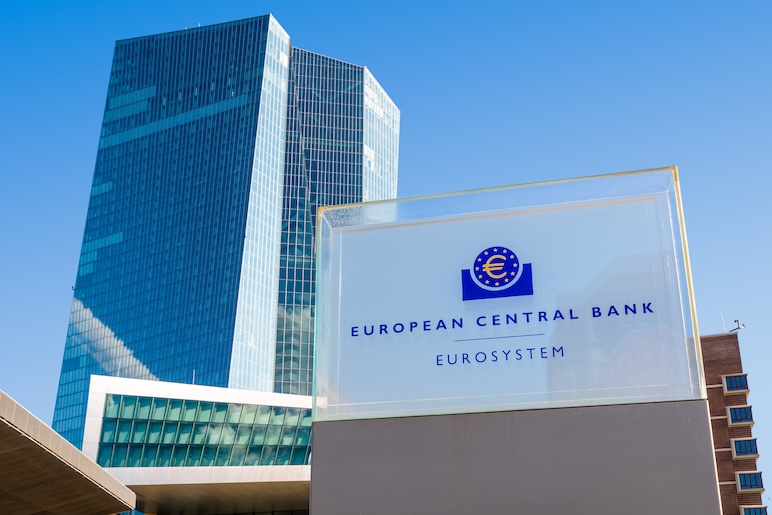
ECB raises key interest rate to 2.5% amid Middle East energy shocks
Rising Brent crude prices above $100 per barrel have prompted the European Central Bank to hike rates to combat a potential wage-price spiral.
Rising Brent crude prices above $100 per barrel have prompted the European Central Bank to hike rates to combat a potential wage-price spiral.

Global energy benchmarks surged past $100 a barrel as military engagements in the Persian Gulf deepened disruptions to trade routes. The oil shock is driving up retail fuel costs worldwide and pressuring central banks.

US retail diesel prices surged roughly 58% year-over-year to a record $5.848 per gallon, threatening freight logistics and food prices despite falling crude costs.

A surprise surge in hiring and rising Treasury yields have pressured Wall Street, shifting the Federal Reserve's focus toward upcoming inflation data for its September 16 policy meeting.
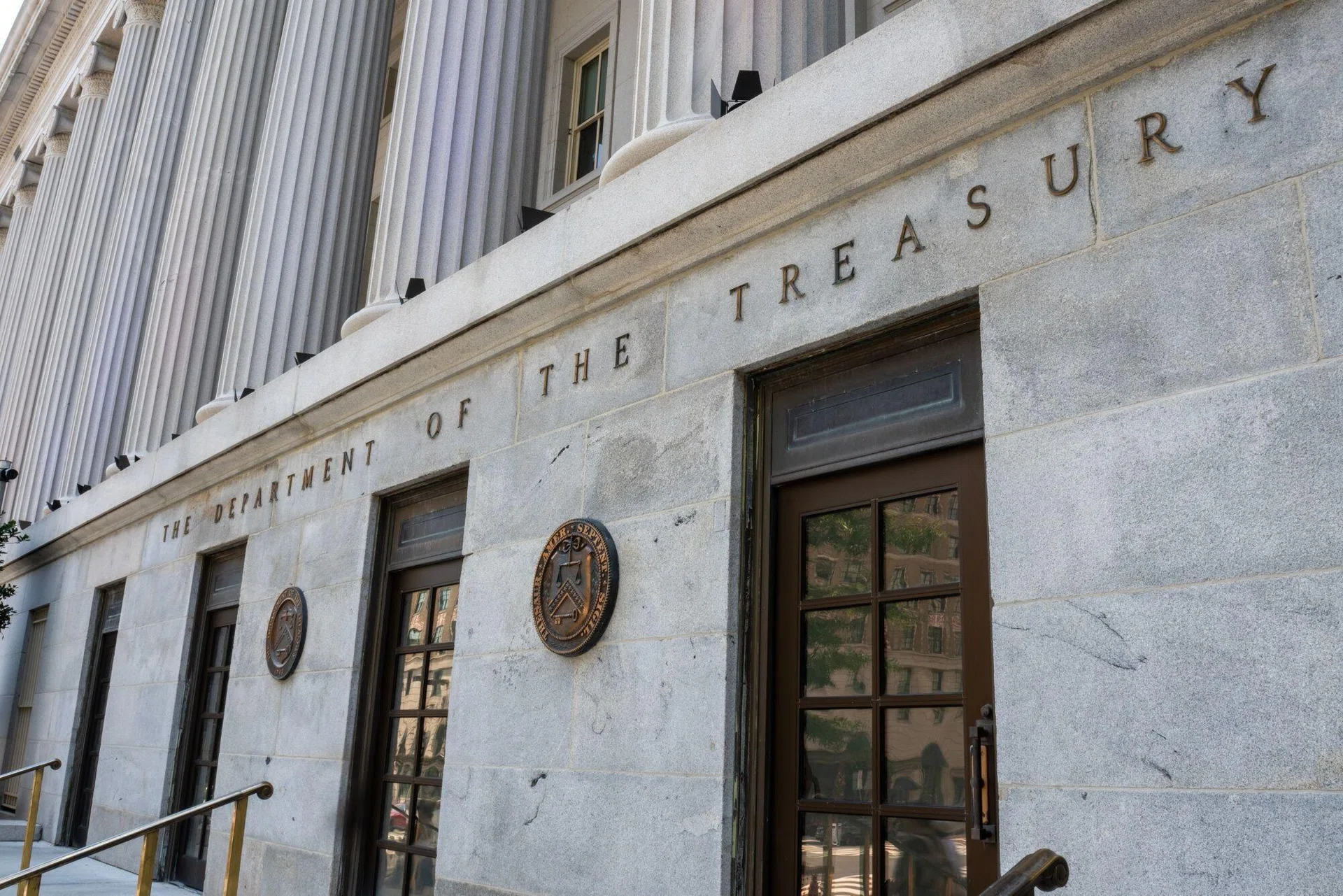
Sovereign borrowing costs are climbing sharply worldwide, driven by widening national deficits and aggressive corporate borrowing to fund AI infrastructure.

Long-term government borrowing costs across leading economies have surged to their highest levels since the 2008 financial crisis, driven by spiking energy markets and geopolitical friction involving the US and Iran.

International authorities warn that an intensifying El Nino and rising ocean heat will bring below-normal rainfall, threatening South Asian agriculture.
American economic growth decelerated to 1.5% in the second quarter, missing consensus expectations as rising energy costs and import demand weighed on the economy.

U.S. stock markets closed mixed as escalating conflict with Iran drove Brent crude prices higher. Investors are closely monitoring military developments and the potential for disruptions to global energy transit.
The national average price of gasoline in the United States rose to $4.0030 per gallon following the closure of the Strait of Hormuz and increased regional conflict. This price shift follows a rise in crude oil prices and impacts diesel costs, raising concerns regarding broader economic inflation.
Major U.S. stock indexes rose as favorable inflation data and positive corporate earnings reports drove investor optimism during the Wednesday session.

Heightened geopolitical instability in the Middle East is driving investors away from emerging markets, placing severe inflationary pressure on the South African economy.
A growing majority of Americans report that the prospect of running out of money in retirement has become a greater concern than death itself. Driven by inflation and healthcare costs, many are now re-evaluating their financial strategies to address long-term security.
The U.S. dollar is tracking toward its largest monthly gain in nearly a year as investors recalibrate expectations for Federal Reserve policy. Driven by resilient labor data and persistent inflation, markets are now pricing in potential interest rate increases.