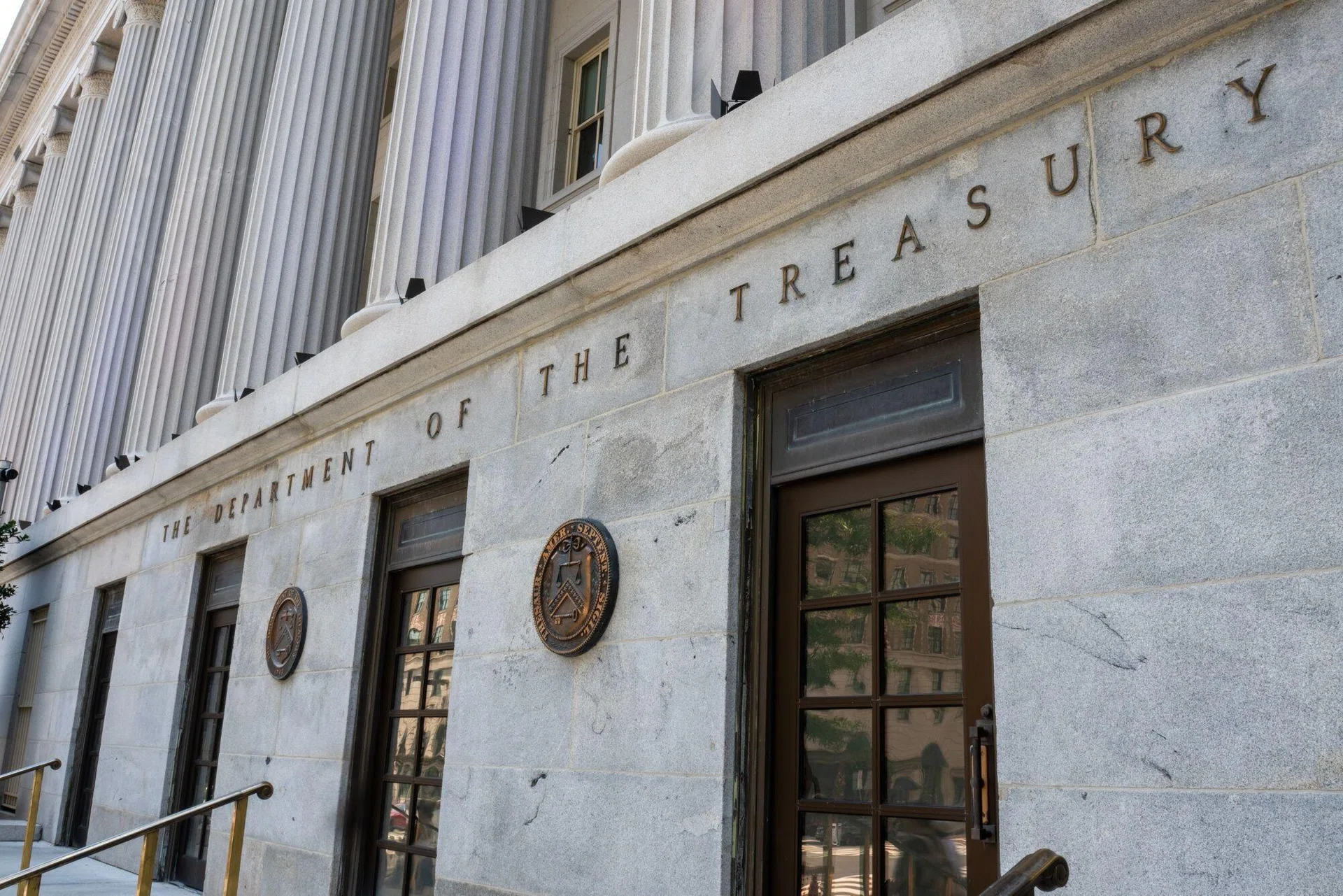
US economic growth slowed to 1.5% in second quarter
American economic growth decelerated to 1.5% in the second quarter, missing consensus expectations as rising energy costs and import demand weighed on the economy.
American economic growth decelerated during the spring months as the nation confronted surging import demand and ongoing geopolitical turmoil, according to official government figures released on Thursday, July 30, 2026. The Commerce Department's Bureau of Economic Analysis reported that gross domestic product expanded at an annualized rate of 1.5% in the second quarter. The reading missed consensus projections compiled by Reuters, where economists had anticipated a 2.1% pace, with individual forecasts ranging from a low of 0.8% to a high of 2.9% according to reporting by NBC News. Economists surveyed by The Wall Street Journal had expected GDP growth of 1.8% for the April to June period. The latest expansion follows a revised 2.1% growth rate recorded in the first quarter of the year.
The slowdown arrives as the United States navigates the economic fallout of the conflict with Iran, which entered its sixth month and disrupted shipping through the Strait of Hormuz. According to AOL, the resulting energy market disruptions pushed global oil costs higher and drove average U.S. Regular gasoline prices from $2.98 a gallon just prior to the late-February outbreak to well above $4 during the April-to-June quarter. AAA data specifically recorded average regular gasoline at $4.22 a gallon from April through June. Analysts note that these rising fuel costs have intensified the squeeze on real household incomes.
Related media
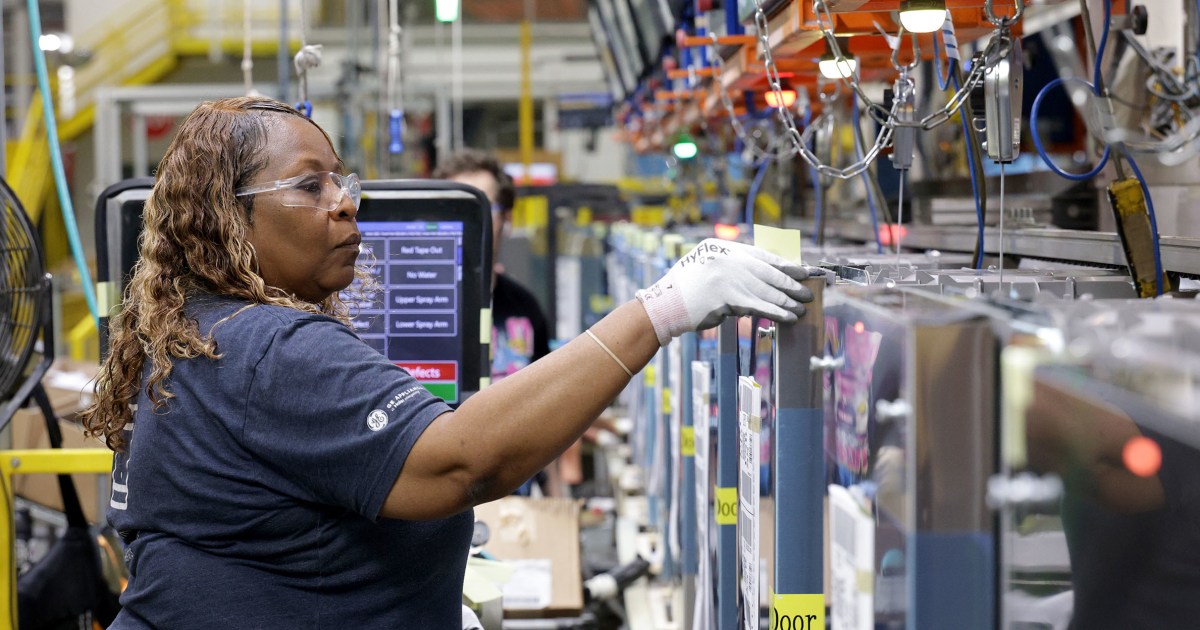

Yet the headline growth figure masks a complex underlying economic landscape characterized by strong domestic demand and heavy technology spending. According to Yahoo Finance, consumer spending surged at a 3.2% annualized rate during the second quarter, marking a sharp rebound from the sluggish 0.5% pace registered in the first three months of the year. Economists attribute this resilience to several temporary and structural cushions, including generous tax refunds from President Donald Trump's tax legislation—referred to in reports as "One Big Beautiful Bill"—asset-price gains benefiting higher-income households, and spending associated with the FIFA World Cup and midterm election nonprofits.
At the same time, a massive commercial build-out surrounding artificial intelligence drove substantial capital expenditures in information-processing equipment, computers, and data centers. Ernie Tedeschi, chief economist at Stripe, calculated that computer and data center spending accounted for more than half of real second-quarter growth. Joseph Brusuelas, chief economist at RSM, noted that the data revealed robust consumer activity alongside sustained capital outlays for the artificial intelligence boom.
However, the AI boom also contributed to the growth slowdown through international trade channels. Because many high-demand components such as specialized semiconductors are manufactured abroad, soaring import volumes weighed heavily against domestic economic calculations. Net exports subtracted a full percentage point from the headline GDP figure, while inventory investments also dragged on the quarterly results. U.S. Trade Representative Jamieson Greer defended the structural shift during a Senate Finance Committee hearing, welcoming imports geared toward reindustrialization such as machine tools, injection molding equipment, and AI chips rather than consumer goods and autos.
Underlying private-sector demand showed distinct strength. Real final sales to private domestic purchasers increased at a 3.9% rate during the second quarter, accelerating from 1.7% in the first quarter to mark the fastest pace since early 2023, as detailed by Anadolu Agency. Price pressures, however, continued to mount. The gross domestic purchases price index jumped to 5.7%, while the personal consumption expenditures price index rose 5.1% compared with 4.6% in the first quarter, though separate Commerce Department data showed the PCE price index declining by 0.1% in June on lower energy prices. Core PCE inflation, which excludes volatile food and energy costs, eased to 3.4%.
The economic report followed a pivotal monetary policy decision. On Wednesday, July 29, 2026, Federal Reserve officials voted to hold the benchmark interest rate steady in a range of 3.50% to 3.75%. The decision passed by a 9-3 vote, reflecting rare internal division as three regional bank presidents dissented in favor of a quarter-point rate increase to combat stubborn inflation. Federal Reserve Chairman Kevin Warsh described the economy as resilient during his post-meeting press conference, emphasizing steady job gains and strong productivity despite elevated geopolitical uncertainty. Treasury yields reacted sharply, with the 30-year U.S. Treasury yield climbing to a 19-year high, according to market roundups by Morningstar.
Financial analysts expressed mixed reactions to the simultaneous data releases. Chris Zaccarelli, chief investment officer for Northlight Asset Management, cautioned that the weaker GDP figures could signal that the economy is decelerating too quickly. Conversely, softer monthly inflation metrics could provide the central bank with latitude to remain patient. Oxford Economics warned that consumers have been bridging shortfalls by drawing down their savings, a practice that cannot persist indefinitely as gasoline prices hover above $4 a gallon. Capital Economics senior North America economist Thomas Ryan noted that while households weathered the initial shock, it remains unclear if they can absorb another hit now that retail gasoline prices have risen back above $4 a gallon.
Key Economic Indicators for Q2 2026
- GDP Growth Rate: 1.5% annualized (down from a revised 2.1% in Q1).
- Consumer Spending: Accelerated to a 3.2% rate (up from 0.5% in Q1).
- Private Domestic Demand: Final sales to private domestic purchasers rose 3.9%.
- Inflation (PCE Price Index): Rose at a 5.1% annualized rate, while core PCE eased to 3.4%.
- Federal Reserve Rate: Maintained at 3.50% to 3.75% following a contested 9-3 vote.
As the economy enters the second half of the year, market participants will monitor whether consumer spending can maintain its momentum under the weight of higher energy costs and depleted household savings. Broader business coverage will continue to track how corporate technology investments and ongoing conflict in the Middle East shape Federal Reserve policy deliberations ahead of potential autumn rate adjustments.
Archypedia is dedicated to independent, evidence-backed reporting. This briefing was synthesized from primary source reporting, corroborated across independent newsrooms, and verified against our Editorial Standards.
Transparency record
Evidence behind this report
This report synthesizes 6 distinct sources. Open the source ledger below to compare the underlying coverage.
Prepared under the Archypedia Editorial Policy by the Elena Voss editorial desk profile. AI-assisted tools may support drafting and verification; public accountability remains with Archypedia. Report an error.