Angélique Kidjo officially makes history with Hollywood Walk of Fame star
The five-time Grammy Award winner unveiled her star on Hollywood Boulevard during a ceremony on August 18, 2026, where the city declared the date Angélique Kidjo Day.
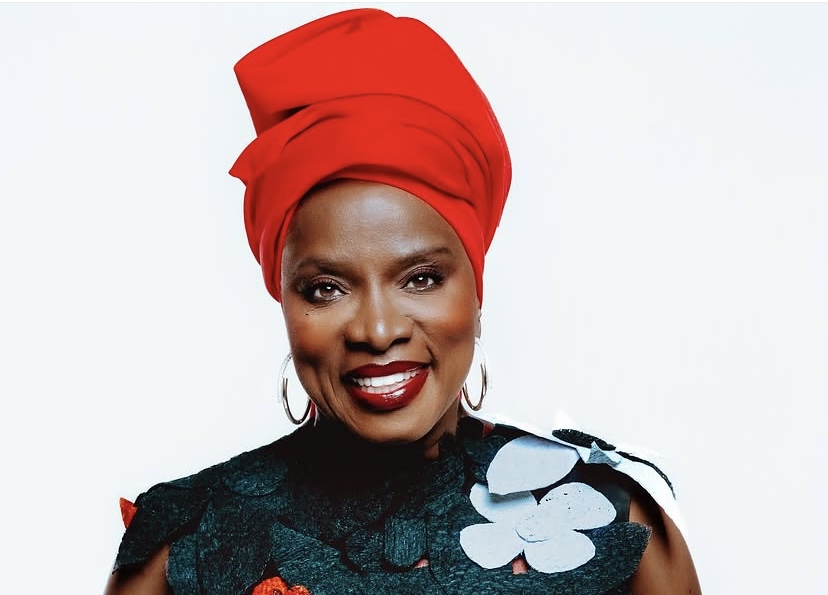
Four decades of crossing borders, bending genres, and defying narrow industry expectations have culminated in a civic milestone on Hollywood Boulevard. Music icon Angélique Kidjo has officially broken a persistent representation barrier, becoming the first African musician and first Black African artist to receive a star on the Hollywood Walk of Fame, according to reporting by Bona and The Citizen.
The five-time Grammy Award winner was honored on Tuesday, August 18, 2026, during a ceremony in Los Angeles where she unveiled the 2,854th star in the monument's Recording category. The city of Hollywood further marked the date by officially declaring August 18 as 'Angélique Kidjo Day', as reported by Okay Africa and cited by Bona.
Related YouTube video


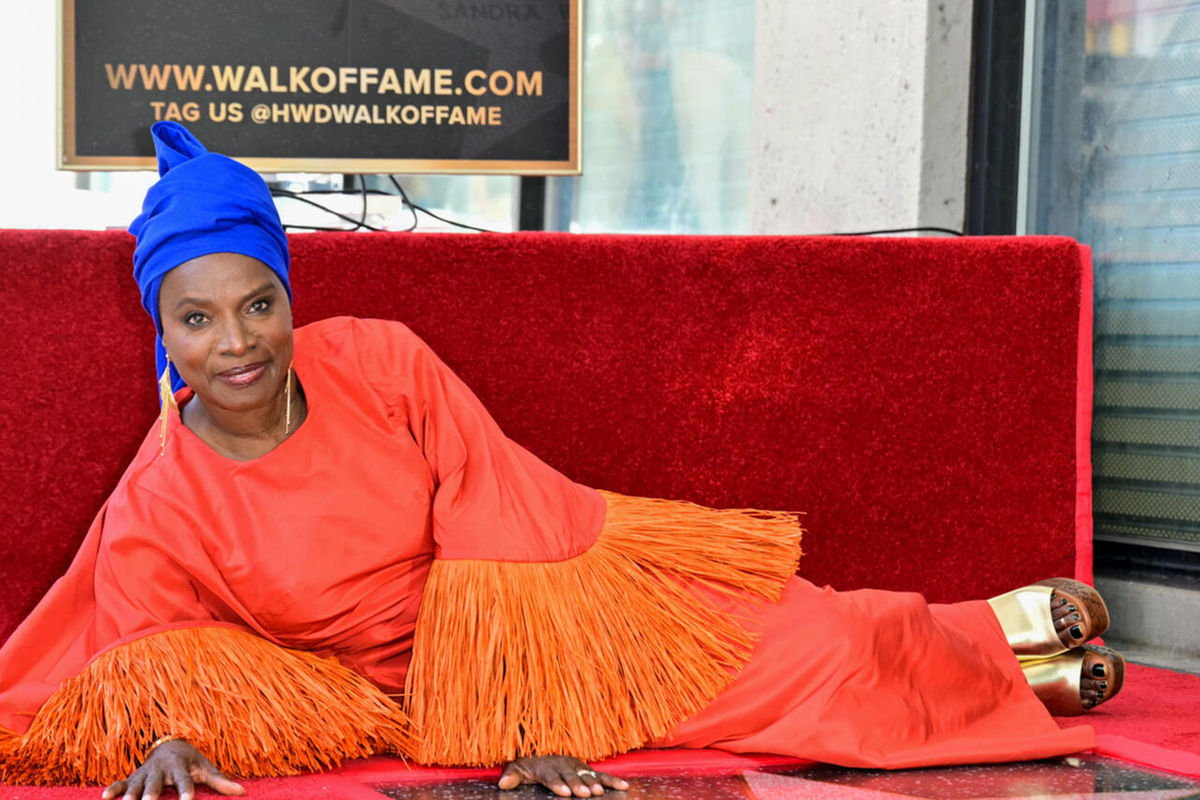
Surrounded by a crowd that included actor Willem Dafoe and Recording Academy CEO Harvey Mason Jr., the Beninese singer-songwriter stood before a global landmark that has long overlooked artists from the African continent. Hollywood Walk of Fame producer Ana Martinez praised the honoree's enduring cultural footprint, noting her extraordinary artistry and global influence.
"Angélique Kidjo’s extraordinary artistry and global influence have inspired audiences across generations and continents. We are proud to honour her as the first African artist to receive a star on the Hollywood Walk of Fame, recognising her remarkable contributions to music and culture around the world."
Ana Martinez, Hollywood Walk of Fame producer, via TVC News
That global influence rests on a massive, restless catalog built over more than forty years. Kidjo has released 18 albums, blending traditional West African sounds with jazz, funk, R&B, salsa, gospel, and pop across five different languages: Fon, French, Yorùbá, Gen-Mina, and English. Her trajectory includes foundational crossover recordings like 1991's Logozo
— which introduced her to American audiences — alongside acclaimed collaborations with contemporary stars such as Burna Boy, Yemi Alade, Mr Eazi, Alicia Keys, Peter Gabriel, and John Legend, as well as classical explorations with composer Philip Glass.
Long before she was selling millions of albums worldwide or collaborating with Pharrell Williams and Nile Rodgers on her latest R&B-inflected release, Hope
, Kidjo's artistic foundation was forged in her mother's theater company in Benin. By age six, she was stepping onto the stage under demanding circumstances. Recalling a childhood performance where she had to replace a lead actress suddenly stricken with malaria, Kidjo remembered her mother pushing her onto the boards despite her terror. That early push toward the spotlight set the tone for a career spent navigating public scrutiny.
That scrutiny was not always artistic. As a successful young star on national radio singing Miriam Makeba songs, Kidjo faced hostility in her youth, including encounters where peers spat on her and hurled insults. Years later, when launching her international career in Paris and signing with Island Records, she encountered Western stylists who assumed African artists walked around barefoot. Her defiant response was to purchase and wear the iconic zebra-print catsuit featured on her Logozo
album cover, a garment her daughter later wore for Halloween, as she detailed to Yahoo News.
Behind her boundary-pushing aesthetics lie deep-seated family values. Her late mother, a choreographer and theater director who passed away during the COVID-19 pandemic, instilled a lifelong mindfulness regarding the weight of human speech. Mom always used to say a word is like an egg. When it falls, you can't put it back,
Kidjo reflected in her interview with Yahoo News, noting how her mother's final days included a request to keep her artistic life alive through song. That promise permeates the empowerment anthems and anti-authoritarian themes on Hope
, which serves as both a personal memorial and an ongoing global mission.
Beyond the recording studio, Kidjo has used her platform to champion girls' education, women's empowerment across Africa, and broader cultural visibility. Yet as she accepts civic honors in Los Angeles, she remains sharply aware of the systemic weight carried by being the very first.
"For me, it is still like I'm in a dream. But you know what? My parents always used to say, 'You have to dream big. Otherwise, shut up, don't talk about it.' So, for me, this is a door being open, on American soil, to welcome in artists from around the globe. And I am the first Black African to have this honor. For me, it becomes a responsibility. How do we sustain this and get the people that give me this honor to understand that I'm just the first one, that the door must stay open for all the trailblazers in Africa, Latin America, Europe, wherever in the world that should be there. Let's keep that door open."
Angélique Kidjo, musician, via Yahoo News
Whether institutional gatekeepers and municipal committees will follow through on that call to broaden representation remains the central, open question as Kidjo's Hope
tour stretches forward toward 2027, leaving her newly unveiled sidewalk monument as either an isolated milestone or the true opening of a long-shuttered gateway.
How significant is this development?
Contribute your assessment to the aggregated reader intelligence ledger.
Archypedia is dedicated to independent, evidence-backed reporting. This briefing was synthesized from primary source reporting, corroborated across independent newsrooms, and verified against our Editorial Standards.
Transparency record
Evidence behind this report
This report synthesizes 5 distinct sources. Open the source ledger below to compare the underlying coverage.
Prepared under the Archypedia Editorial Policy by the Iris Kane editorial desk profile. AI-assisted tools may support drafting and verification; public accountability remains with Archypedia. Report an error.