Scientists discover why smoking loosens teeth and eats away at bone
Researchers have identified a molecular chain reaction, involving the CXCL12 signal, that explains how smoking damages gum tissue and bone structure. This discovery could lead to targeted therapies that address inflammation in periodontitis without compromising broader immune defenses.
Smoking acts as a persistent chemical stressor that fundamentally alters the cellular architecture of gum tissue, explaining why smokers face a higher risk of severe periodontitis and tooth loss. While the link between tobacco use and oral Health decline has been established for decades, researchers have now identified the precise molecular chain reaction that accelerates bone and tissue degradation. This discovery, published in the International Journal of Oral Science, suggests that smoking creates a "pro-inflammatory microenvironment" that renders the mouth more vulnerable to bacterial invasion and less capable of effective self-repair.
The research, led by Professor Chuanjiang Zhao, utilized high-resolution spatial transcriptomics to map gene activity within human gingival tissue. By comparing tissue samples from healthy non-smokers, non-smokers with periodontitis, and smokers with the same condition, the team observed how tobacco alters specific cellular behaviors. The findings reveal that smoking compromises the epithelial barrier — the protective seal of the gums — allowing microbes to penetrate deeper into the underlying structures. Once this barrier is breached, the immune system’s typical response is further distorted by nicotine exposure, causing an overreaction that damages the very tissue it is meant to protect.
Related media

The Role of Cellular Communication
At the center of this dysfunction is a chemical signal known as CXCL12, which is released by endothelial cells that line blood vessels. In the gums of smokers, these endothelial cells sit in close proximity to macrophages, immune cells that act as both defenders and regulators. Under normal conditions, macrophages help resolve inflammation. However, in the presence of smoking-related stress, CXCL12 effectively recruits more immune cells and forces them into a destructive, pro-inflammatory state. In a mouse model of gum disease, suppressing this signal significantly reduced both chronic inflammation and bone loss, marking a potential target for future clinical interventions.
Beyond the immediate inflammatory response, the study identified that fibroblasts, cells responsible for maintaining gum structure, are also altered in smokers. In this state, fibroblasts exhibit higher activity in genes tied to aging and programmed cell death, or apoptosis, shifting the tissue environment away from stability and toward breakdown.
Broader Context: Aging and the Immune System
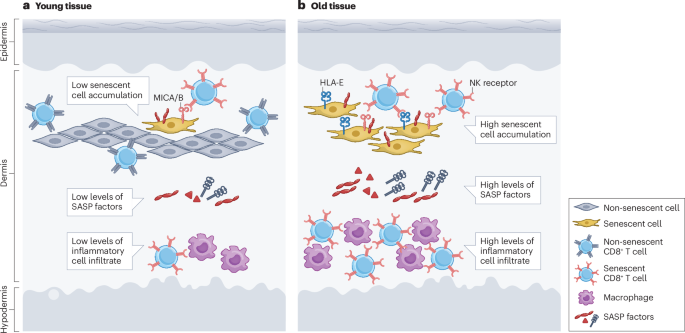
The role of immune cell communication in tissue decline is a growing focus of modern research. Separate studies published in Science and Nature highlight that as organs age, the immune system’s "garbage collection crew", specifically tissue-resident macrophages, often lose their ability to clear away senescent, or "zombie," cells. These senescent cells, such as neutrophils that have failed to die, remain in tissues and secrete toxic chemicals that cause chronic inflammation. This parallels the findings in gum tissue, where the failure of macrophages to maintain a healthy balance accelerates the degradation of local anatomical structures.
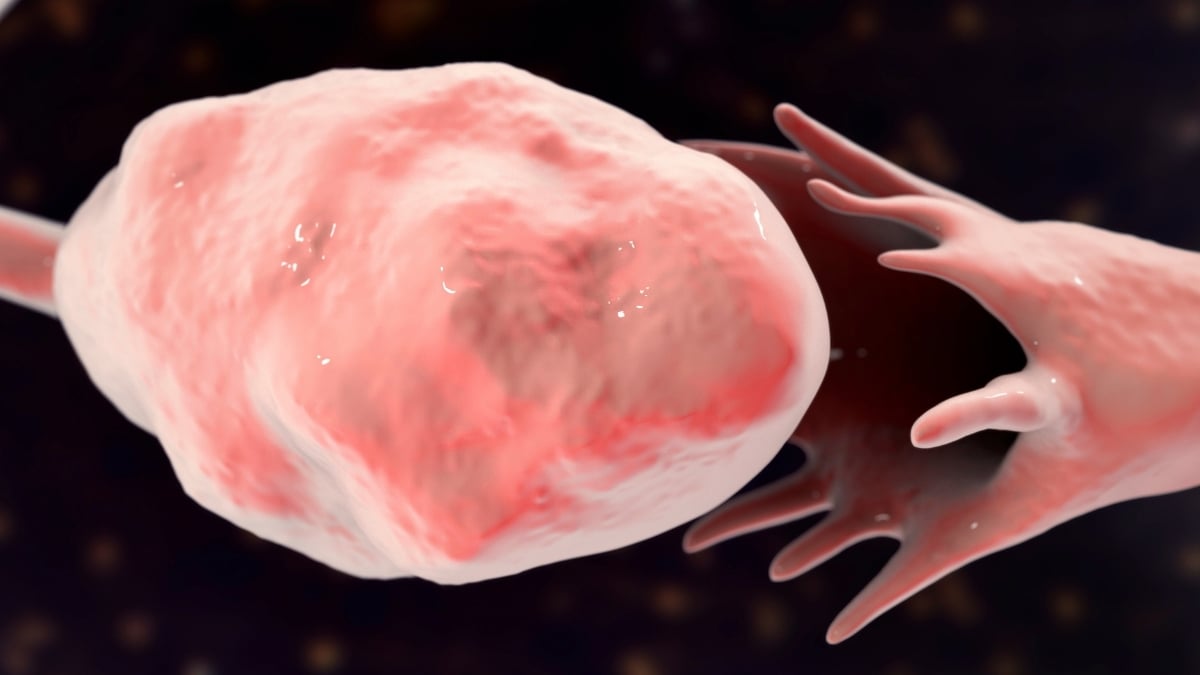
Researchers at Stanford Medicine have noted that this decline in macrophage efficiency is driven by a specific surface receptor, EP2, which binds to inflammation-linked hormones. By inhibiting this receptor in mice, scientists were able to preserve the youthfulness of various organs, including the brain, heart, and muscle tissue. Similar patterns are being investigated in ovarian tissue, where the progressive breakdown of cell-to-cell coordination, rather than just the depletion of reproductive cells, is identified as a key driver of aging long before menopause occurs.
What Happens Next
The immediate goal for researchers is to transition these insights from animal models to human clinical applications.
- Precision Therapies: Scientists are investigating drugs to selectively target the CXCL12 pathway to blunt inflammation in periodontitis without compromising the body's broader immune defense.
- Biomarker Development: The gene expression patterns identified in the gum studies may soon be used to create diagnostic tools that flag high-risk smokers for more intensive, personalized dental care before severe bone loss begins.
- Human Tissue Analysis: Researchers studying ovarian and immune aging are currently partnering with hospital obstetrics and cardiology departments to collect human samples, aiming to confirm whether the cellular breakdowns observed in mice are occurring at the same scale in human aging.
While these findings provide a clearer understanding of how smoking forces the body into a state of chronic, damaging inflammation, they also highlight the potential for future treatments that could decouple aging from disease. As experts emphasize, moving away from broad inflammation-reduction methods, which can interfere with necessary immune functions, toward targeting specific "traffic signals" between cells offers a promising path forward for preserving tissue health throughout the lifespan.
Archypedia is dedicated to independent, evidence-backed reporting. This briefing was synthesized from primary source reporting, corroborated across independent newsrooms, and verified against our Editorial Standards.
Transparency record
Evidence behind this report
This report synthesizes 10 distinct sources. Open the source ledger below to compare the underlying coverage.
- miragenews.com
- health.yahoo.com
- the-scientist.com
- yahoo.com
- nature.com
- med.stanford.edu
- jci.org
- brightsurf.com
- frontiersin.org
- sciencedaily.com
Prepared under the Archypedia Editorial Policy by the Niko Vale editorial desk profile. AI-assisted tools may support drafting and verification; public accountability remains with Archypedia. Report an error.