Ovaries Show Major Signs of Aging Before Menopause, Mouse Study Finds
Studies in mice reveal that ovarian decline involves a progressive loss of tissue-level coordination and inflammation. Researchers are now investigating these processes to better understand female metabolic and cardiovascular health.
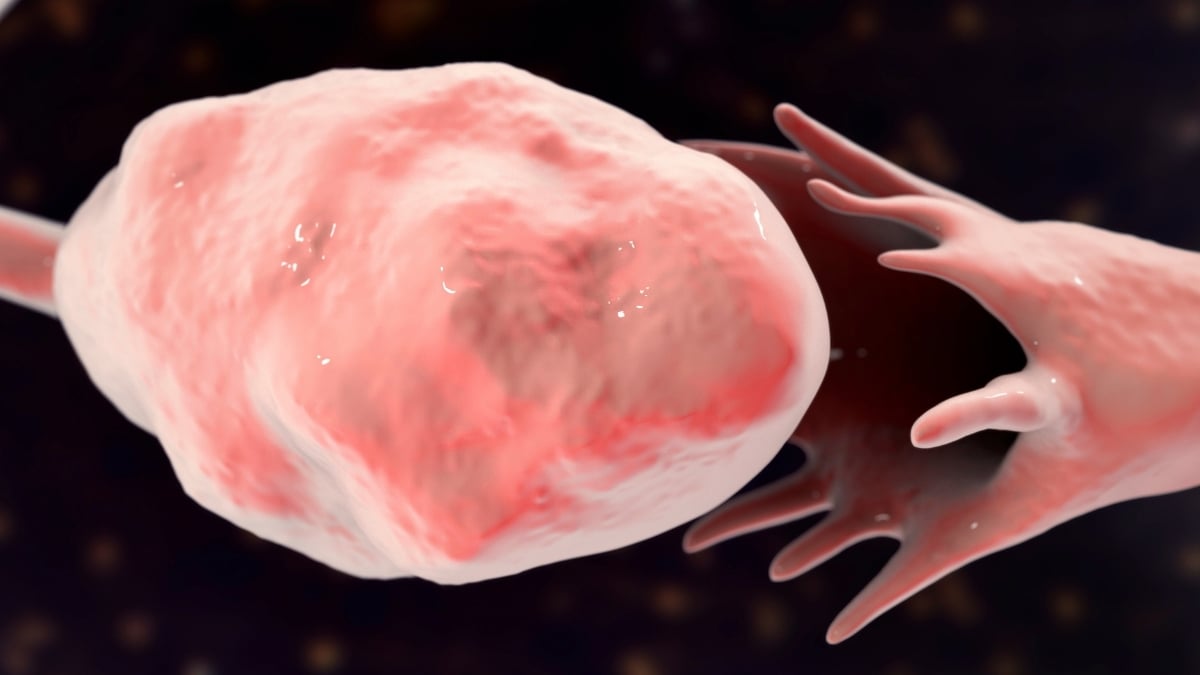
Scientific investigations are fundamentally reshaping the understanding of the female reproductive system, revealing that the ovary undergoes significant aging processes long before the onset of menopause. Traditionally, clinical focus has been tethered to the depletion of the egg supply. However, recent evidence suggests that the reproductive organ is not merely a container for oocytes but a complex, endocrine-driven ecosystem that experiences a systemic breakdown of cellular coordination as it ages.
A Shift in Biological Perspective
Research published in Nature Aging identifies that reproductive decline should be viewed as a progressive deterioration of tissue-level coordination. By profiling mouse ovaries across various ages and reproductive cycles, investigators observed that even while ovulation remains ongoing, the structural and functional integrity of the organ begins to falter. The cellular machinery — which includes follicles, oocytes, and the temporary endocrine glands known as corpora lutea — falls out of sync, leading to increased signals of inflammation and tissue disorganization.
Related media
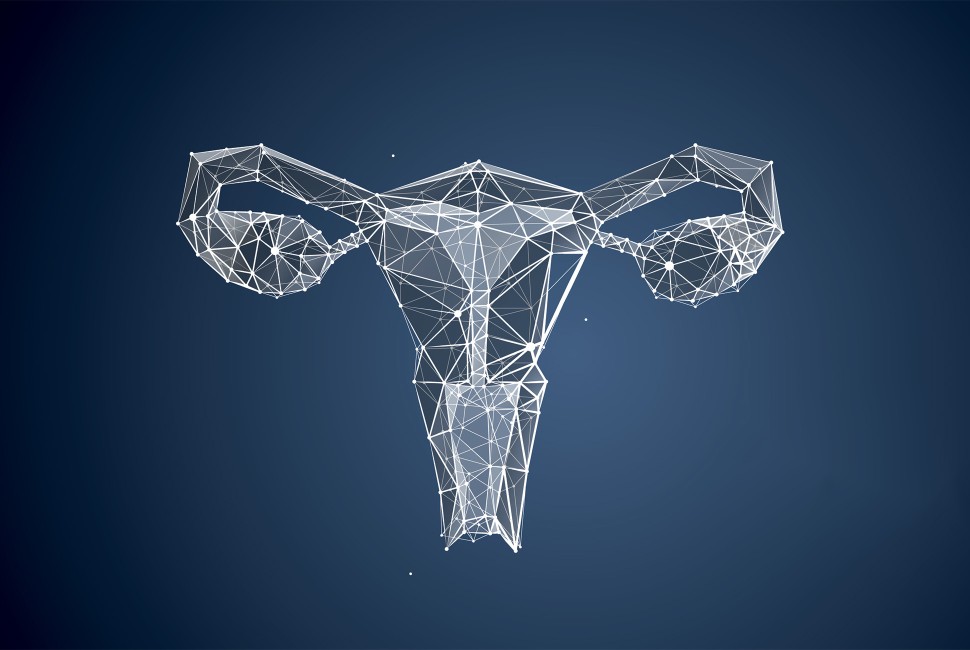
Hattie Chung, a cardiovascular researcher at The Broad Institute of MIT and Harvard and senior author of the study, emphasizes that the menopause transition occurs while a substantial reserve of eggs typically remains. This discrepancy implies that the aging of the surrounding environment, rather than solely the depletion of eggs, drives the transition. The study notes that the ovaries perform critical endocrine functions, producing hormones such as estrogen, progesterone, inhibin, and testosterone, which influence metabolic, bone, and cardiovascular health.
The Role of Immune Cells
Further shedding light on this decline, researchers led by Francesca Elizabeth Duncan of Northwestern University have identified specific molecular mechanisms involving specialized immune cells in the ovary. Their findings, published in PLOS Biology, detail the presence of multinucleated giant cells (MNGCs) within the ovarian tissue. These cells, derived from macrophages, can occupy up to 10 percent of the ovary's volume.
While MNGCs are often associated with chronic inflammation or infection elsewhere in the body, their emergence in the aging ovary appears linked to the accumulation of cellular debris, waste from follicles that failed to ovulate or remnants from the ovulation process itself. According to Aubrey Converse, the lead author of the study, these cells may initially attempt to maintain homeostasis by clearing debris, but they eventually develop a unique immune profile that potentially causes detrimental consequences for the organ’s function.
Implications for Clinical Care
The findings regarding the ovarian "ecosystem" have immediate relevance for clinical practice, particularly regarding oophorectomy, the surgical removal of ovaries. Whether performed for cancer treatment, endometriosis, or gender affirmation, the removal of the organ terminates more than just fertility. Understanding the full scope of the ovary’s endocrine and immune functions allows for more precise patient care in the post-surgical period.
Experts suggest that the current focus on the ovary as a reproductive-only organ is limited. Given the interconnected nature of the ovary with the rest of the body’s health, researchers are moving to bridge the gap between animal models and human biology. The Broad Institute team has already initiated collaborations with Yale University to analyze human ovarian specimens, aiming to verify whether these cellular dynamics hold true across various age groups in humans.
What to Watch Next
- Human Tissue Analysis: Researchers are actively collecting human ovarian samples to move beyond the mouse model and confirm how cellular interactions shift with age in clinical populations.
- Targeted Interventions: Scientists are exploring whether the formation of MNGCs can be mitigated, potentially leading to medical interventions that preserve ovarian function and, by extension, broader systemic health.
- Clinical Diagnostics: While current medical testing for ovarian aging remains focused on hormonal or follicle-count assessments, the identification of these molecular pathways suggests that future diagnostic tools could eventually measure the "coordination" or health of the ovarian ecosystem itself.
As the scientific community continues to move away from the singular metric of egg count, the focus is shifting toward the maintenance of the ovarian environment as a key component of female longevity. This transition in research perspective may ultimately lead to better strategies for managing the menopause transition, as well as the long-term metabolic and cardiovascular health of patients.
Archypedia is dedicated to independent, evidence-backed reporting. This briefing was synthesized from primary source reporting, corroborated across independent newsrooms, and verified against our Editorial Standards.
Transparency record
Evidence behind this report
This report synthesizes 4 distinct sources. Open the source ledger below to compare the underlying coverage.
Prepared under the Archypedia Editorial Policy by the Lina Park editorial desk profile. AI-assisted tools may support drafting and verification; public accountability remains with Archypedia. Report an error.