Python biology research yields insights for treating human heart disease
Scientists are studying the unique physiological mechanisms of Burmese pythons to develop potential medical treatments for human cardiac and metabolic disorders.
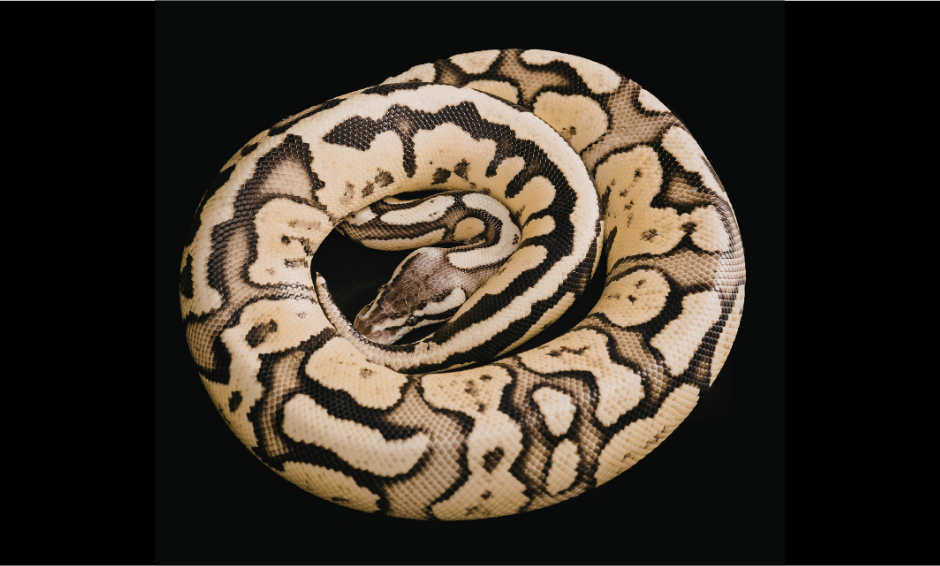
Biological research centered on the Burmese python (Python molurus bivittatus) has revealed extraordinary physiological mechanisms that researchers believe could offer new pathways for treating human heart disease and metabolic conditions. Scientists have long looked to extreme animal models to understand biological limits, and recent findings suggest these snakes possess a natural ability to remodel their own organs and regulate metabolism in ways that could eventually be translated into human therapeutics.
Cardiac Remodeling and Human Applications
Following a large meal, a python's heart ventricles increase in mass by approximately 40% to fuel the digestive process. Within a few days of completing digestion, the heart returns to its previous size.
Related media

.jpg?revision=e4614aae-09f7-4400-b48b-bb886b4a1bde)
According to researchers at the University of Colorado Boulder, including Leslie Leinwand, the snake’s heart achieves this through the softening of specialized muscle bundles, or myofibrils, which allows the organ to contract with greater force. Mapping the genetic and metabolic signals behind this transformation is now a priority for scientists hoping to develop treatments for human cardiac fibrosis and other metabolic-related heart disorders.
The Discovery of a Hunger-Curbing Molecule
Parallel research involving Burmese and ball pythons has identified a specific metabolite, pTOS, which serves as a potent appetite suppressant. In a study published in the journal Nature Metabolism, researchers observed that pTOS levels in the blood of these pythons spiked a thousandfold following a meal. When administered to obese laboratory mice, the molecule triggered significant weight loss.
The study suggests that pTOS is produced by gut bacteria breaking down tyrosine, an amino acid found in dietary protein. Once in the bloodstream, the molecule travels to the hypothalamus, the brain region responsible for energy homeostasis, where it activates neurons that regulate feeding behaviors. While researchers caution that further study is required to see if these effects translate to humans, the molecule represents a potential target for new weight-loss therapies.
Model Species in Scientific History
The use of pythons as a model for regulatory biology follows a long scientific tradition of utilizing non-traditional species to gain insights into complex physiological problems:
| Species | Research Application |
|---|---|
| Squid | Axon nerve function |
| Fruit Fly | Embryonic development |
| Gila Monster | Blood sugar regulation (GLP-1) |
| Burmese Python | Organ remodeling and metabolism |
The selection of the Burmese python for these studies was driven by their unique ability to survive prolonged fasting, sometimes lasting over a year, without losing significant muscle tone. Geneticists like Leinwand, who has studied these reptiles for two decades, argue that evolution has already solved problems related to extreme fasting and rapid organ growth, providing a "gold mine" of bioactive molecules for drug discovery.
What Happens Next
The path from snake physiology to clinical application involves several ongoing efforts:
- Drug Development: A newly formed company, Arkana Therapeutics, has been established by researchers from CU Boulder and Stanford University to develop findings—including pTOS—into potential pharmaceutical treatments.
- Molecular Mapping: Scientists continue to generate a landscape of molecules found in python organs that appear to act like hormones but have no known counterparts in mice or humans.
- Safety and Application: Researchers are investigating whether these snake-derived molecules can safely induce cell division or organ remodeling in patients with chronic conditions like Type 1 diabetes or liver disease.
As the scientific community works to bridge the gap between reptile physiology and human medicine, the focus remains on leveraging these evolutionary adaptations to create a new generation of disease-resistance therapies.
Archypedia is dedicated to independent, evidence-backed reporting. This briefing was synthesized from primary source reporting, corroborated across independent newsrooms, and verified against our Editorial Standards.
Transparency record
Evidence behind this report
This report synthesizes 11 distinct sources. Open the source ledger below to compare the underlying coverage.
- npr.org
- raps.org
- med.stanford.edu
- brainresilience.stanford.edu
- colorado.edu
- humanperformance.stanford.edu
- studyfinds.com
- sciencedaily.com
- kunc.org
- uta.edu
- stlpr.org
Prepared under the Archypedia Editorial Policy by the Niko Vale editorial desk profile. AI-assisted tools may support drafting and verification; public accountability remains with Archypedia. Report an error.