NASA cancels Swift space telescope rescue mission as space tug fails
The Neil Gehrels Swift Observatory faces an uncontrolled, fiery re-entry after critical hardware failures crippled the robotic tug sent to save it.
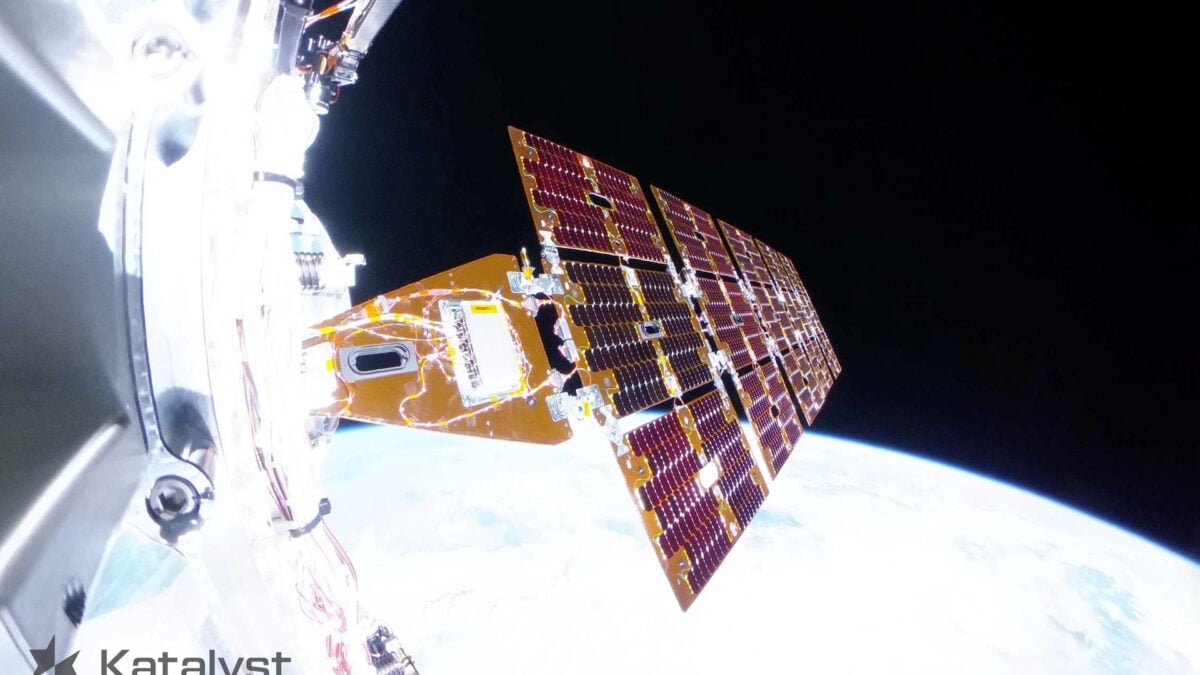
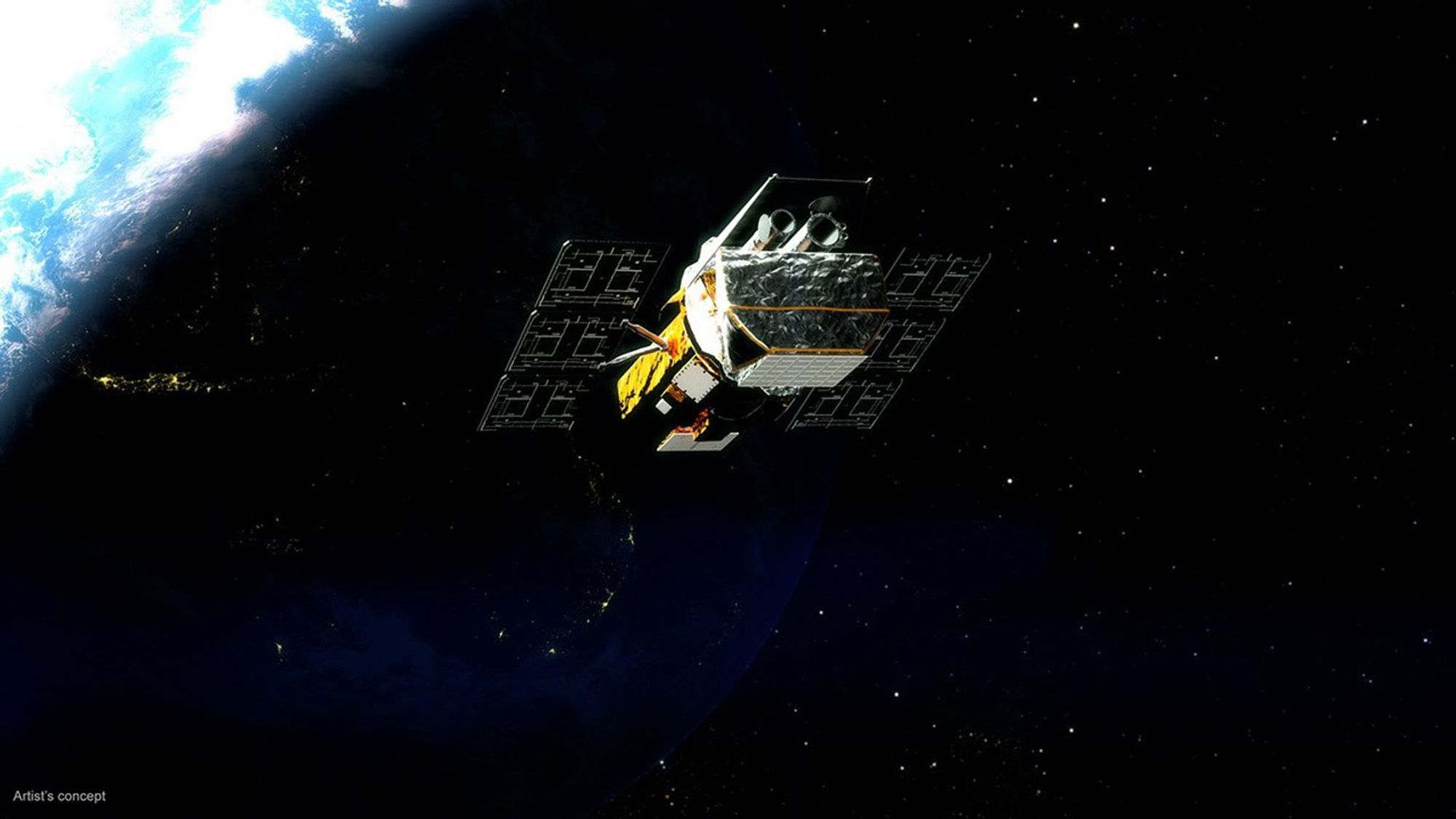
NASA and Arizona-based startup Katalyst Space Technologies have officially abandoned their ambitious attempt to rescue the aging Neil Gehrels Swift Observatory, sealing the $500 million telescope's fate for an uncontrolled, fiery re-entry into Earth's atmosphere, the agencies announced on Wednesday, 19 August 2026. The joint decision marks the end of a high-stakes, nine-month development effort that sought to prove the viability of rapid-turnaround commercial satellite servicing before intense solar activity dragged the observatory permanently out of the sky.
Launched in November 2004, the multi-wavelength observatory spent more than two decades tracking gamma-ray bursts, exploding stars, and distant cosmic explosions. However, heightened solar activity during the peak of the sun's 11-year cycle significantly increased atmospheric drag, pulling Swift down to an altitude of roughly 214 to 216 miles, or 345 to 347 kilometers, far below its intended operating range. To minimize drag and preserve the spacecraft, mission controllers shut down its science instruments earlier in the year, leaving the unpowered telescope with a hard deadline before atmospheric decay claimed it.
Related YouTube video
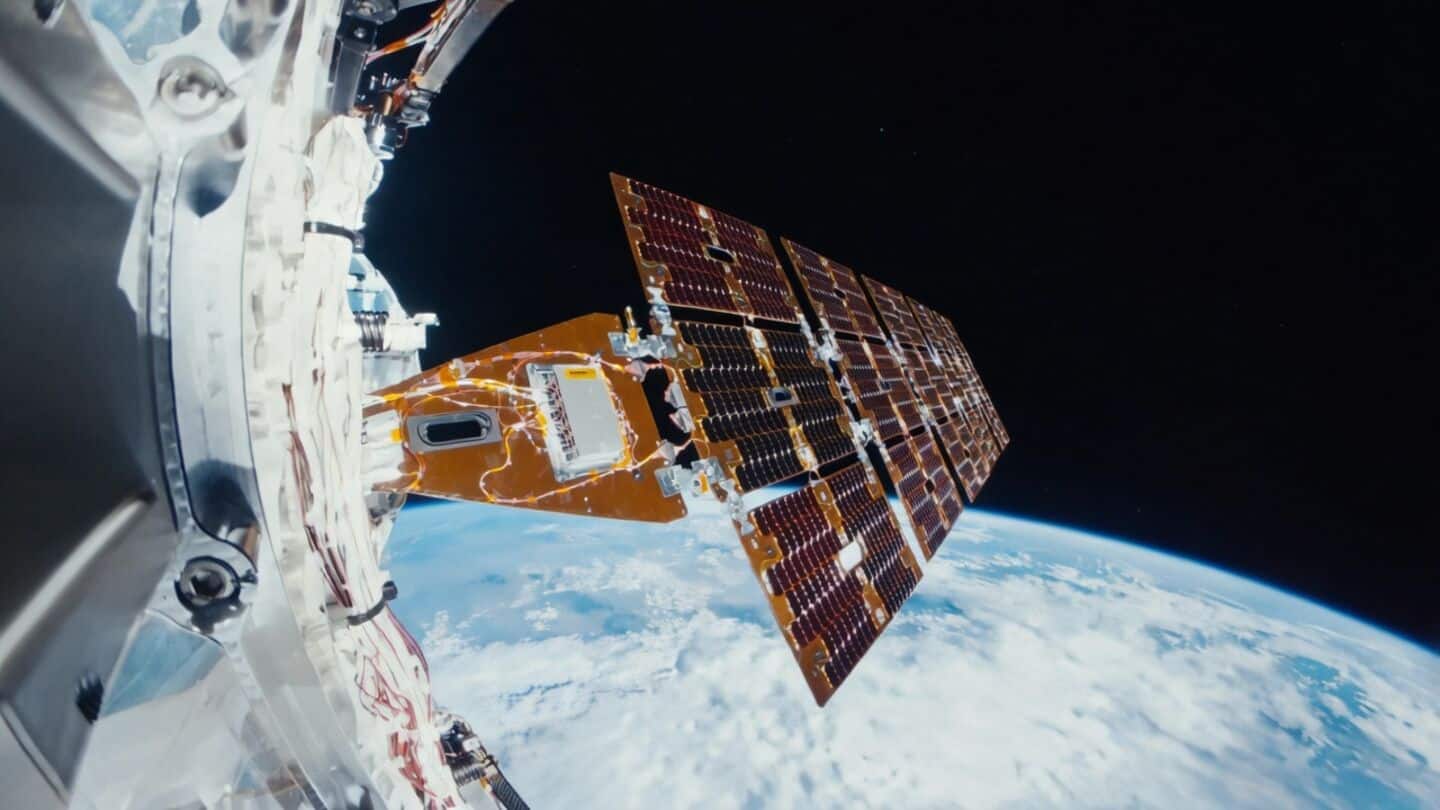


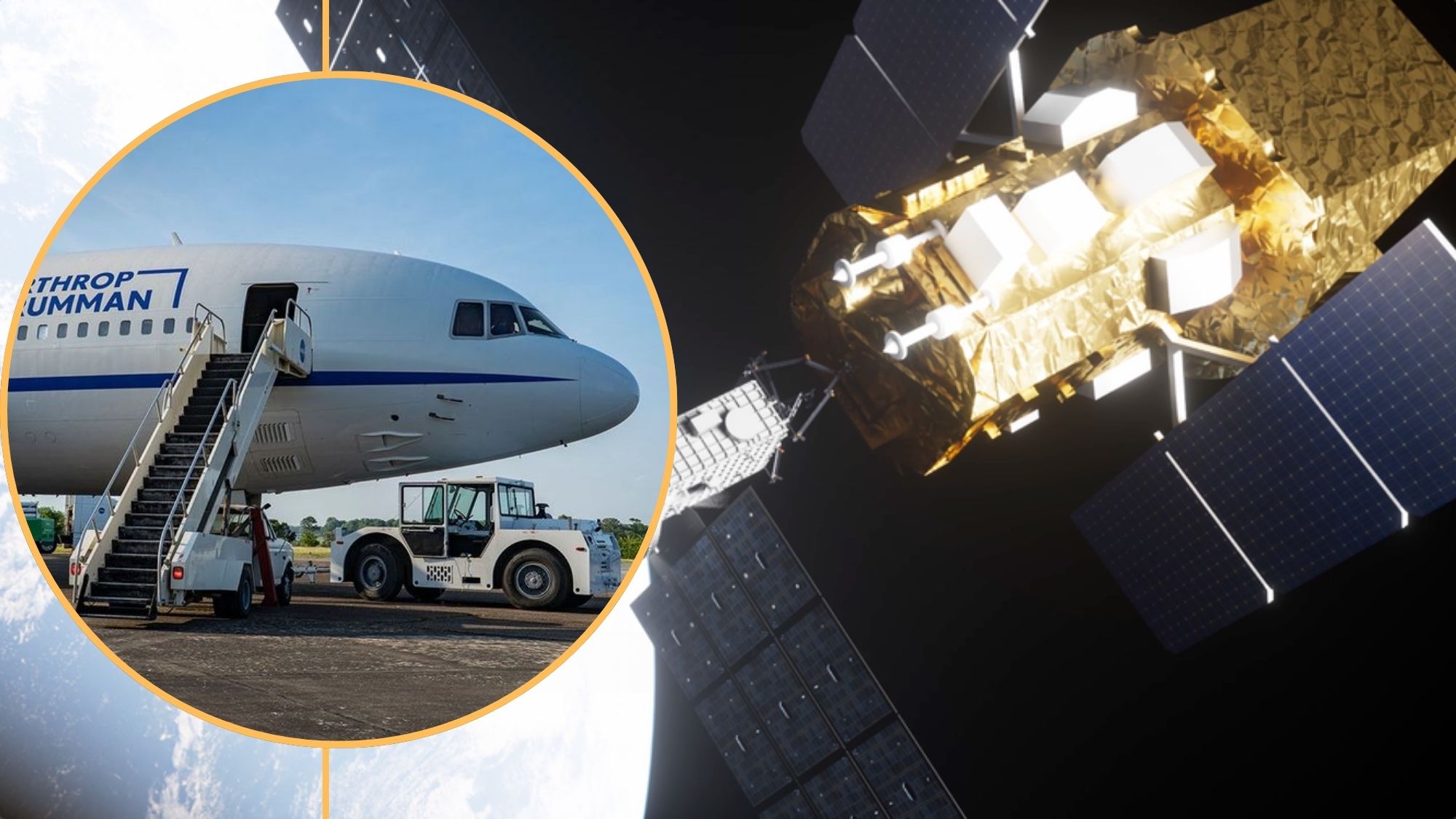
Seeking to avoid a costly loss, NASA awarded Katalyst a $30 million contract in September 2025 to design, build, test, and launch a rescue vehicle on an aggressive timeline of under a year. The resulting spacecraft, a refrigerator-sized robotic space tug named LINK — for Lightweight In-Space Navigation and Kinematics — lifted off on 3 July 2026. A modified Lockheed L-1011 aircraft air-dropped a Northrop Grumman Pegasus XL rocket over the Kwajalein Atoll in the South Pacific, sending the tug toward a planned rendezvous at roughly 216 miles, or 347 kilometers, up. The plan was for LINK to grab hold of Swift's ground-handling flanges with robotic arms and physically tow it back to a safer altitude of about 373 miles, or 600 kilometers.
The mission encountered critical hardware failures shortly after reaching orbit. According to NASA commissioning updates and technical disclosures reported across outlets including International Business Times, LINK began spinning uncontrollably after two of its three reaction wheels, which use electric motors to manage orientation and stabilize rotation, stopped working. Compounding the crisis, the spacecraft's cold-gas thruster system suffered partial functionality losses, triggering sporadic communications and threatening the tug's pointing and positioning.
Flight controllers rushed software patches and switched to the craft's electric Hall-effect thrusters and low-impulse plasma thrusters, successfully slowing the tumble from roughly 9 degrees per second to under 4 degrees per second. Yet the corrective maneuvers exposed a fatal propellant constraint. The xenon fuel required for attitude control and stabilizing the spacecraft was the exact propellant LINK needed to perform the heavy orbit-raising burn for Swift. Unable to resolve this trade-off amid ongoing attitude control limitations, the two organizations concluded the capture must be scrubbed.
"Following continued monitoring and assessment of the LINK spacecraft, Katalyst Space and NASA together have concluded that due to ongoing attitude control issues, the mission will not include the capture and boost of NASA's Neil Gehrels Swift Observatory,"
NASA and Katalyst Space Technologies, via International Business Times
Despite the failure to save the telescope, the mission is not entirely finished. Katalyst announced that LINK will still attempt to execute rendezvous and proximity operations near Swift without grappling it, testing navigation capabilities that could inform future commercial servicing operations. Katalyst Chief Executive Ghonhee Lee described the project as a high-risk, high-reward challenge driven by an aggressive schedule, noting that the startup has already learned a tremendous amount that will shape its next-generation servicing craft. NASA positioned the contract as a pathfinder for commercial satellite maintenance following the cancellation of its over-budget OSAM-1 servicing program.
The collapse of the rescue bid also casts technical and political shadows over other aging government assets, such as the 36-year-old Hubble Space Telescope, which has similarly experienced orbital decay from recent solar outbursts and was widely viewed as a candidate for a future boost if Swift succeeded. NASA has not officially ruled out a rescue attempt for Hubble, but the setback highlights the immense engineering hurdles facing fast-turnaround commercial space rescue contracts.
Without an orbital boost, the Neil Gehrels Swift Observatory faces an uncontrolled descent. NASA confirmed that the spacecraft's re-entry is expected to occur no earlier than October, with most of the structure burning up upon entry and any surviving fragments predicted to fall into the ocean.
High-Risk Engineering Under a Compressed Timeline
The rapid schedule that brought the rescue mission from concept to launch in under a year also intensified the engineering hurdles facing the spacecraft, as noted by Smithsonian Magazine. Because of the compressed timeline, the LINK vehicle received less exhaustive testing and scrutiny than typical NASA payloads. Shawn Domagal-Goldman, astrophysics division director at NASA headquarters, acknowledged in a statement reported by Smithsonian Magazine that the agencies deliberately pursued a high-risk, high-reward mission driven by solar activity.
According to updates detailed by To Vima, the mission experienced early technical friction even before its major stabilization crisis. After launching on 3 July 2026 from the Stargazer aircraft over the Kwajalein Atoll in the Marshall Islands, LINK established initial contact and passed early checks, with NASA confirming on 15 July 2026 that its power and propulsion systems had been successfully commissioned following an early issue with one of its three reaction wheels that engineers initially mitigated via software patches.
Yet the situation deteriorated rapidly by late July, when two of those reaction wheels ultimately stopped working alongside partial failures in the cold-gas thruster system. Newsbytesapp reported that these combined malfunctions left the spacecraft with only its three low-impulse plasma thrusters and electric Hall-effect thrusters to regain orientation while traveling at nearly five miles per second around Earth. Smithsonian Magazine noted that a space rendezvous requires matching both speed and position precisely, a demanding task for a vehicle struggling with attitude control.
Despite the operational setback, Katalyst intends to use the surviving capabilities of the spacecraft to test proximity operations. According to NASA and Katalyst statements cited across multiple outlets including Gizmodo and To Vima, the next step for the mission involves the LINK spacecraft conducting rendezvous and proximity operations near the Neil Gehrels Swift Observatory without grappling it, gathering vital data to inform future commercial satellite servicing programs.
How significant is this development?
Contribute your assessment to the aggregated reader intelligence ledger.
Archypedia is dedicated to independent, evidence-backed reporting. This briefing was synthesized from primary source reporting, corroborated across independent newsrooms, and verified against our Editorial Standards.
Transparency record
Evidence behind this report
This report synthesizes 8 distinct sources. Open the source ledger below to compare the underlying coverage.
- ibtimes.co.uk
- gizmodo.com
- newsbytesapp.com
- 1news.co.nz
- yahoo.com
- thenews.com.pk
- smithsonianmag.com
- tovima.com
Prepared under the Archypedia Editorial Policy by the Niko Vale editorial desk profile. AI-assisted tools may support drafting and verification; public accountability remains with Archypedia. Report an error.