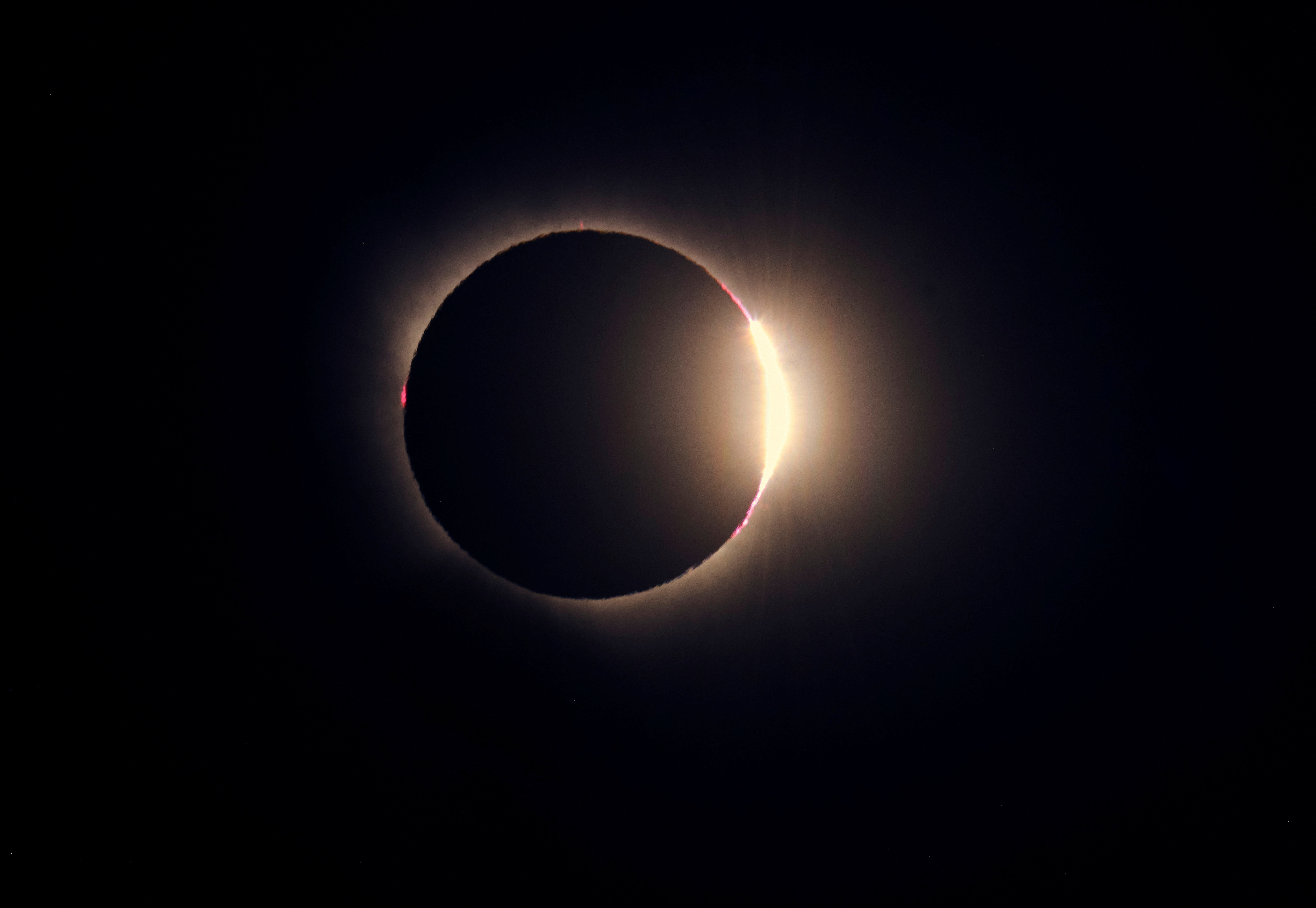
Total solar eclipse to darken Spain for 1st time in a century
The upcoming celestial event brings daytime darkness to northern Spain for the first time in over a century, arriving alongside a rare planetary alignment and the peak of the Perseid meteor shower.
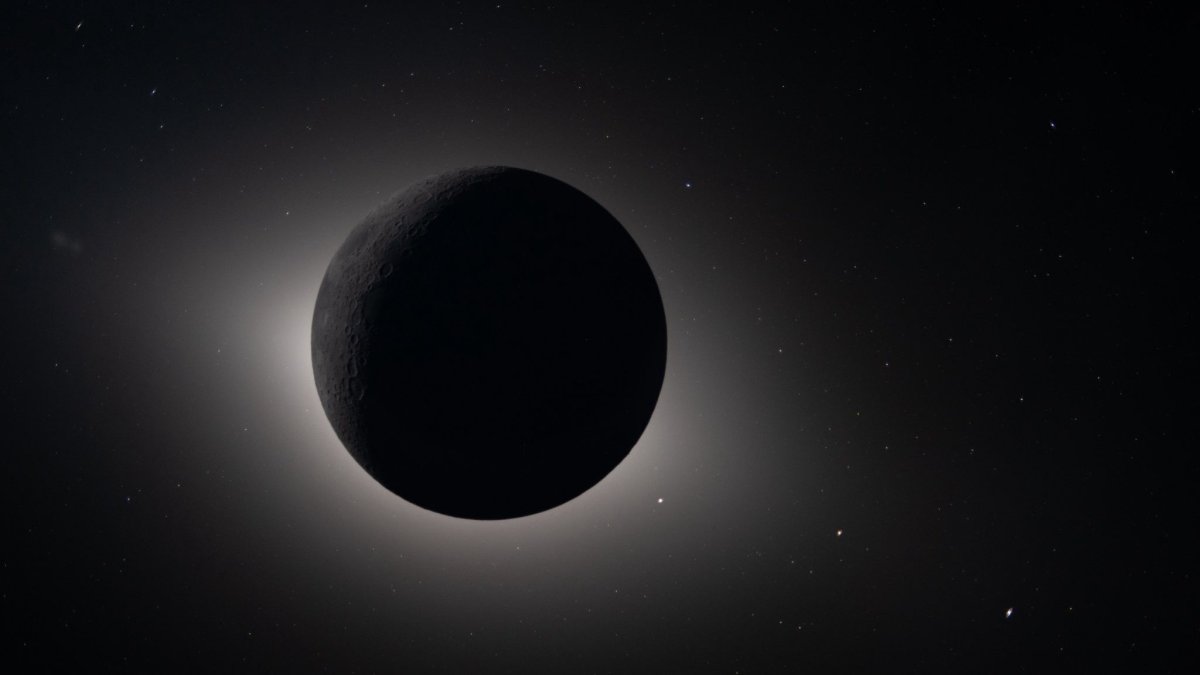
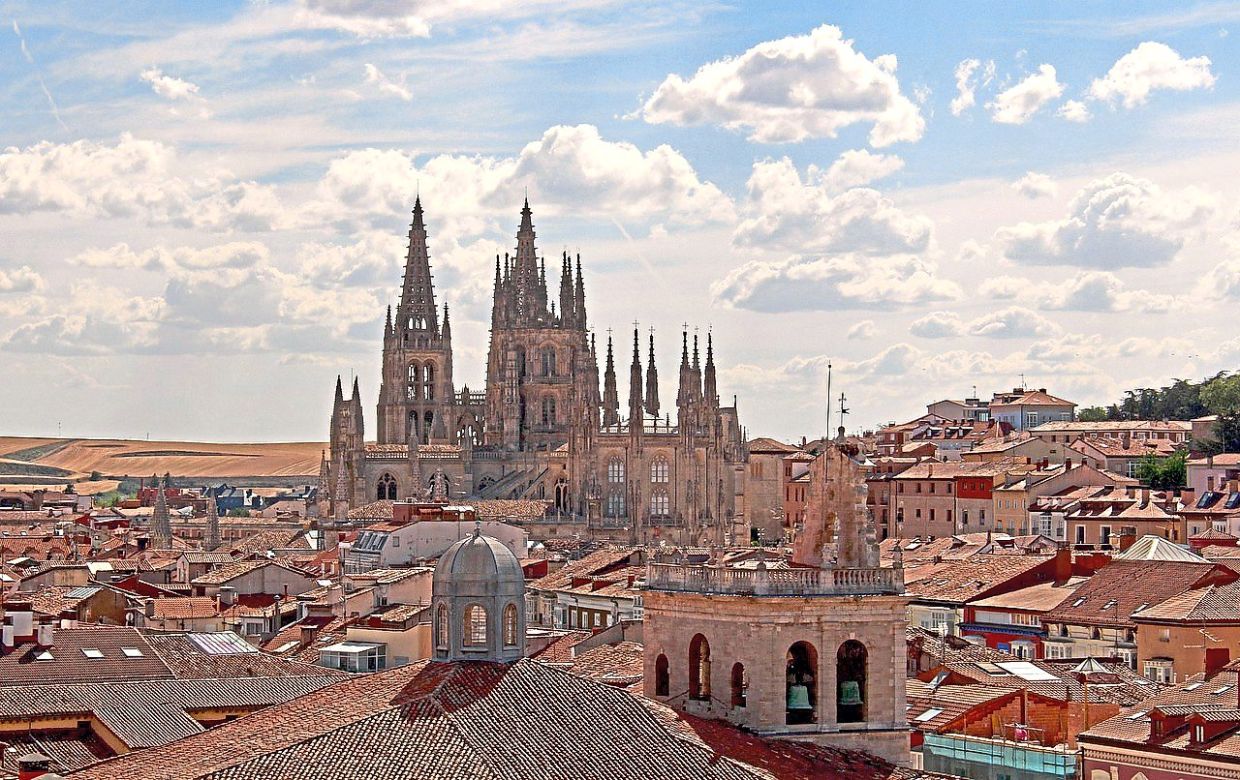
Daytime darkness is poised to sweep across mainland Spain on Monday, 12 August 2026, marking the country's first total solar eclipse in over a century. Yet this long-awaited celestial milestone arrives as a fleeting opener to an even grander cosmic spectacle waiting just twelve months away.
The August 12 event presents a uniquely crowded celestial calendar. Beyond the solar alignment, the date features a pre-dawn six-planet alignment and a post-sunset peak of the Perseid meteor shower, creating a rare convergence of astronomical phenomena. At the same time, seasoned observers and researchers emphasize that the 2026 darkness serves primarily as an appetizer for the multi-minute eclipse of the century scheduled for the following summer.
Related YouTube video
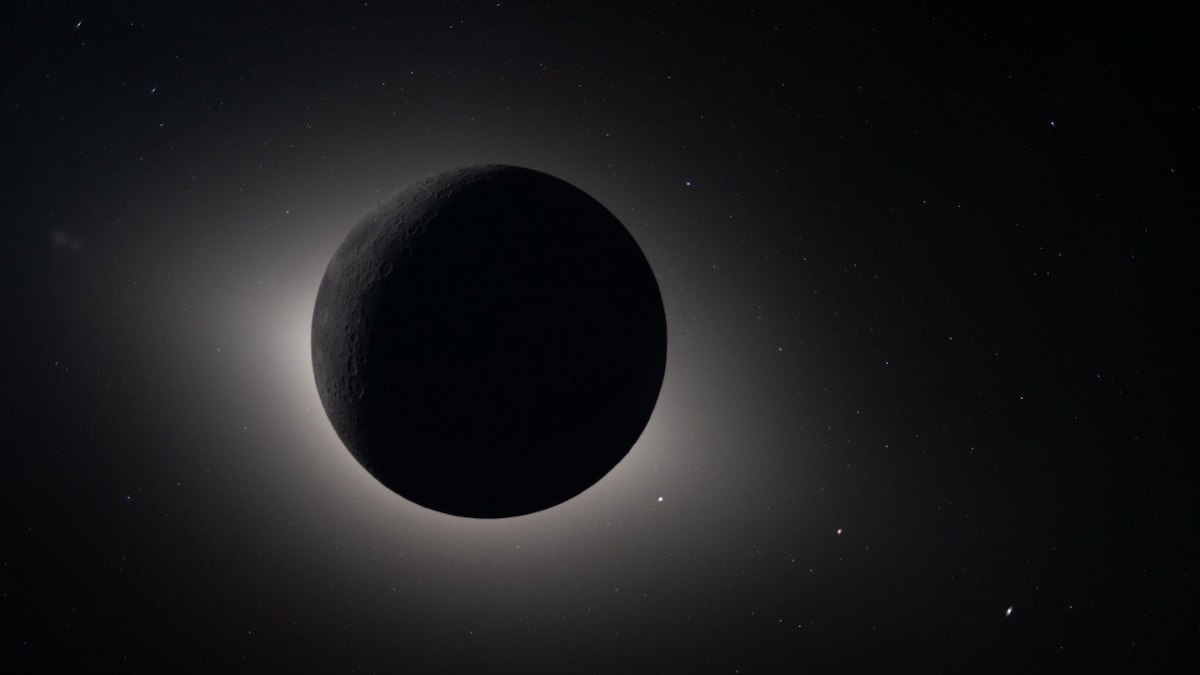


According to Wired, the moon's shadow on August 12 will begin its journey near the North Pole before tracking east across the Arctic, bringing totality to sparsely populated stretches of eastern Greenland, the far western edge of Iceland, and eventually northern Spain. The umbra will race along an 8,260-kilometer (5,130-mile) course over 1.5 hours, noted Daily Sabah. Because maximum totality occurs off Iceland's west coast, duration dwindles to roughly a minute by the time the shadow reaches Portugal and the heavily populated crowds of Spain, ending ultimately in the Mediterranean.
While only narrow bands will experience complete darkness near sunset — with totality occurring around 8:30 pm Central European Time according to Wired — hundreds of millions of people across a vast partial zone are in for a significant display reported Daily Sabah. Partial visibility will stretch from Alaska and Siberia to Canada, the northern United States, much of Europe, and West Africa. Major urban centers will experience varying bites out of the solar disk, ranging from 94% coverage in Dublin and 83% in Oslo to 18% in Montreal, 9% in New York, and 2% in Norfolk, Virginia. Experts stress that specialized eclipse glasses remain strictly necessary whenever any morsel of the sun remains visible cautioned Daily Sabah.
The daytime shadow coincides with an unusually dense night and morning of stargazing. Before dawn, six neighboring planets will form an arc in the sky, while the Perseid meteor shower reaches its peak after nightfall under a new moon, raising the slim possibility of meteors photobombing the eclipse noted Daily Sabah. Independent chasers like eclipse mapmaker Michael Zeiler, preparing for his 13th total solar eclipse aboard a cruise ship in a Greenland fjord, plan to turn cameras northward during totality to capture potential auroral displays sparked by solar activity reported Daily Sabah.
Scientific institutions are mobilizing extensively for the brief window of totality. The European Space Agency (ESA) plans a live webcast from Spain's Astrophysical Observatory of Javalambre alongside public celebrations in Leon, while NASA and the Virtual Telescope Project also provide coverage according to Daily Sabah. ESA space telescopes and the artificial eclipse-making satellite duo Proba-3 will attempt observations. Meanwhile, U.S. College teams backed by NASA will launch more than 60 high-altitude balloons from Spain and Iceland to measure atmospheric shifts during the sudden temperature drop noted Daily Sabah. Southwest Research Institute researcher Amir Caspi will lead a team aboard a NASA high-altitude plane chasing the shadow at 460 mph (740 kph), using four cameras across nine wavelengths to extend airborne totality to nearly three minutes reported Daily Sabah.
ESA director of science Carole Mundell reflected on the dual nature of the event:
"For me, it’s not just a scientific moment. It’s not just an incredible alignment of heavenly bodies. It’s also a very human moment. It’s a real human connection between us with our feet planted on the Earth and the cosmos."
Carole Mundell, ESA director of science, via Daily Sabah
Comparing the 2026 Appetizer to the 2027 Spectacle
| Event Date | Primary Path of Totality | Max Duration | Context & Significance |
|---|---|---|---|
| August 12, 2026 | Greenland, Iceland, northern Spain | Up to 2 minutes, 18 seconds (roughly 1 minute in Spain) | First mainland Spanish total eclipse in over a century; concurrent planetary arc and meteor peak noted Daily Sabah. |
| August 2, 2027 | Southern Spain, Gibraltar, North Africa, Middle East | Up to 6 minutes, 23 seconds (near Luxor, Egypt) | Longest total solar eclipse visible from land this century; exceptional clarity and duration reported Forbes. |
| January 26, 2028 | Ring-of-fire (annular) path across Spain | Annular phase | Rounds out Spain's rare celestial trifecta in under two years noted ESA's Mundell via Daily Sabah. |
While the 2026 eclipse offers a brief, dramatic window, the August 2, 2027 event will bring over six minutes of totality to southern Spain and North Africa reported Forbes. Driven by the moon resting close to perigee and Earth near aphelion along a path near the equator, the 2027 spectacle will yield nearly three times the observation time of the 2026 event according to Daily Sabah. Destinations like Luxor in Egypt, Tangier in Morocco, and Andalusian hubs such as Tarifa, Cádiz, and Málaga are expected to draw massive crowds noted Forbes.
This clustering of three total solar eclipses within a 710-day span, including an Australian-New Zealand path on July 22, 2028, occurs roughly once every 18 years reported Forbes. For Spain specifically, the current sequence underscores an extraordinary historical drought. The country's last full mainland eclipse occurred just two days before the Titanic sank in April 1912, though because that historical event was a rare hybrid toggling between annular and brief totality, some astronomers point instead to 1905 as Spain's last fully comprehensive solar spectacle noted Daily Sabah.
How significant is this development?
Contribute your assessment to the aggregated reader intelligence ledger.
Archypedia is dedicated to independent, evidence-backed reporting. This briefing was synthesized from primary source reporting, corroborated across independent newsrooms, and verified against our Editorial Standards.
Transparency record
Evidence behind this report
This report synthesizes 6 distinct sources. Open the source ledger below to compare the underlying coverage.
Prepared under the Archypedia Editorial Policy by the Niko Vale editorial desk profile. AI-assisted tools may support drafting and verification; public accountability remains with Archypedia. Report an error.